Korean Kimchi
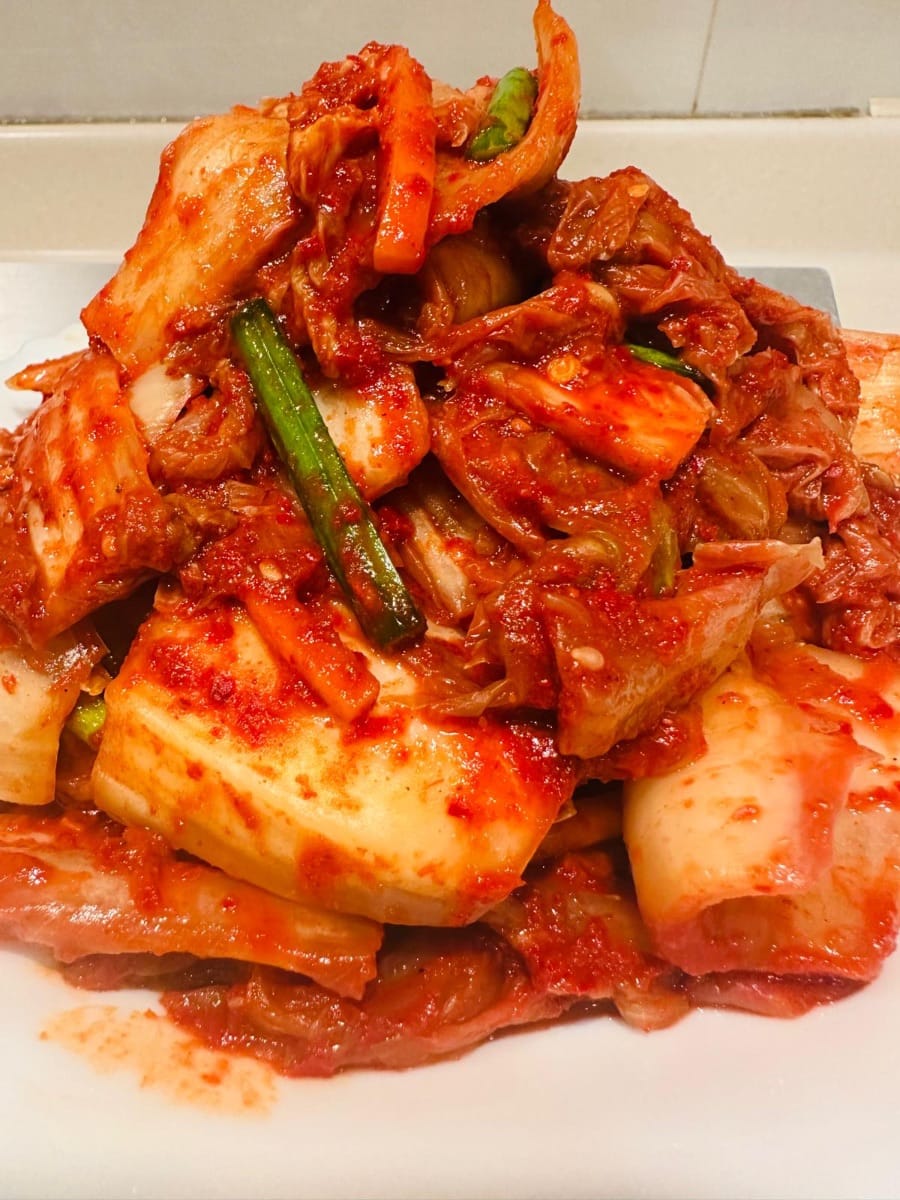
Enjoy the pleasures and benefits of eating Korean kimchi, especially homemade kimchi. With no unnecessary additives, the naturally fermented probiotics protect gut health, while lactic acid bacteria regulate the gut and dietary fiber aids digestion. It boasts a rich and layered flavor: a harmonious blend of sour, spicy, and savory. The lactic acid produced during fermentation brings a refreshing tang, while the spiciness of the chili is not overpowering. Paired with garlic, ginger, apple, and pear, it's crisp, tender, and juicy. It can be served as a side dish to cut through richness or to add a touch of soul to rice, noodles, and other staple foods. Every bite is appetizing and satisfying. When chewing, you can feel the collision of the natural sweetness of the ingredients with the fermented flavor. It tastes even more refreshing when chilled, making it a delightful and comforting addition to everyday meals. It's versatile: it can be eaten raw as a side dish, stir-fried with pork belly, used in army stew, or added to kimchi soup. Heating it softens the sourness and enhances the aroma, making it a delightful addition to both casual meals and lavish banquets.
Ingredients
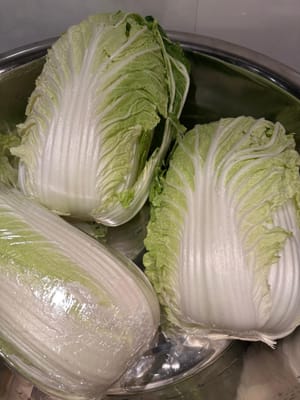
- 3 big cabbages
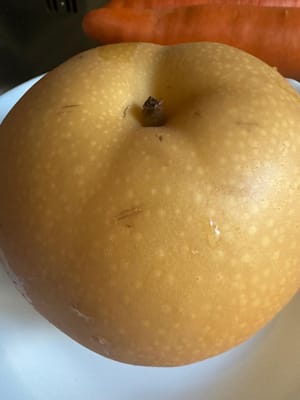
- 2 pears
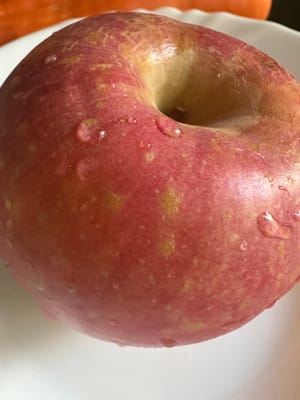
- 1 apple
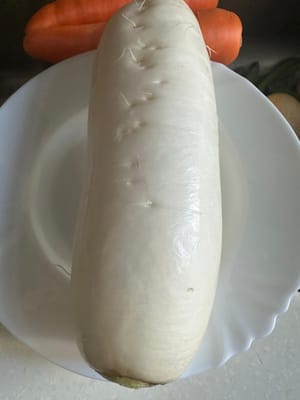
- 1 white raddish
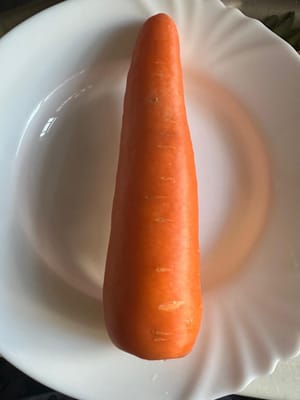
- 1 carrot
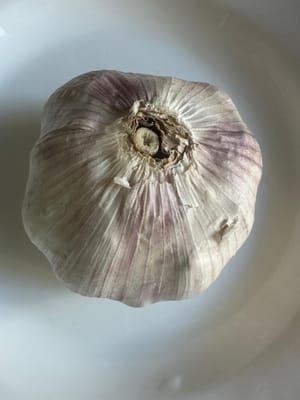
- 2 garlic
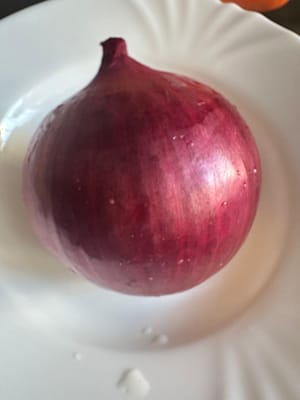
- 1 onion
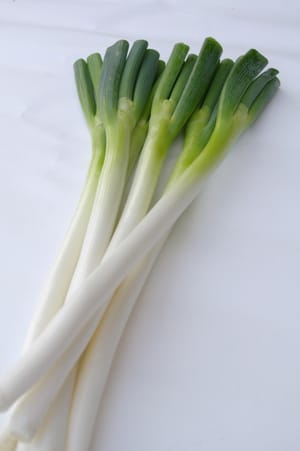
- 4 leeks
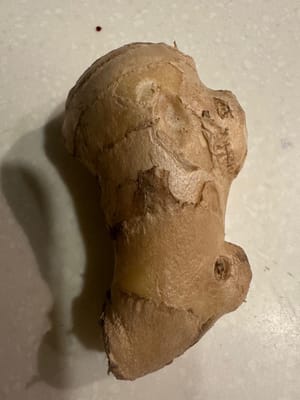
- 30 g ginger
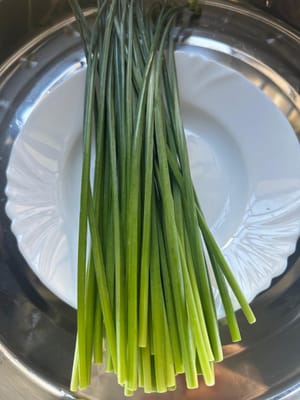
- 300 g chive flowers
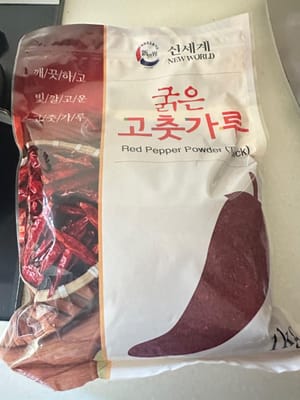
- 750 g Korean red pepper powder
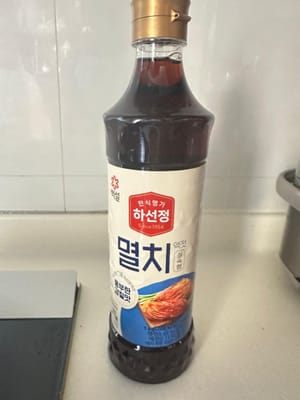
- 750 g Korean fish sauce
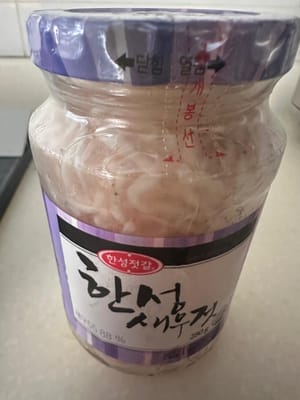
- 200 g Korean shrimp paste
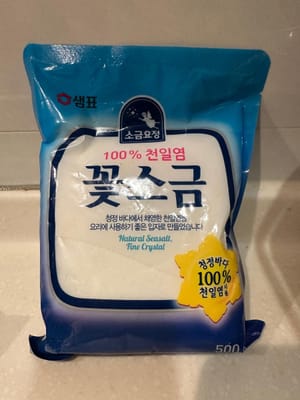
- 150 g Korean salt
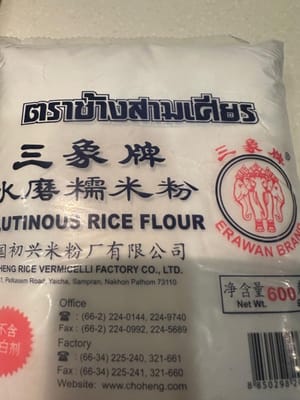
- 200 g glutinous flour
Steps
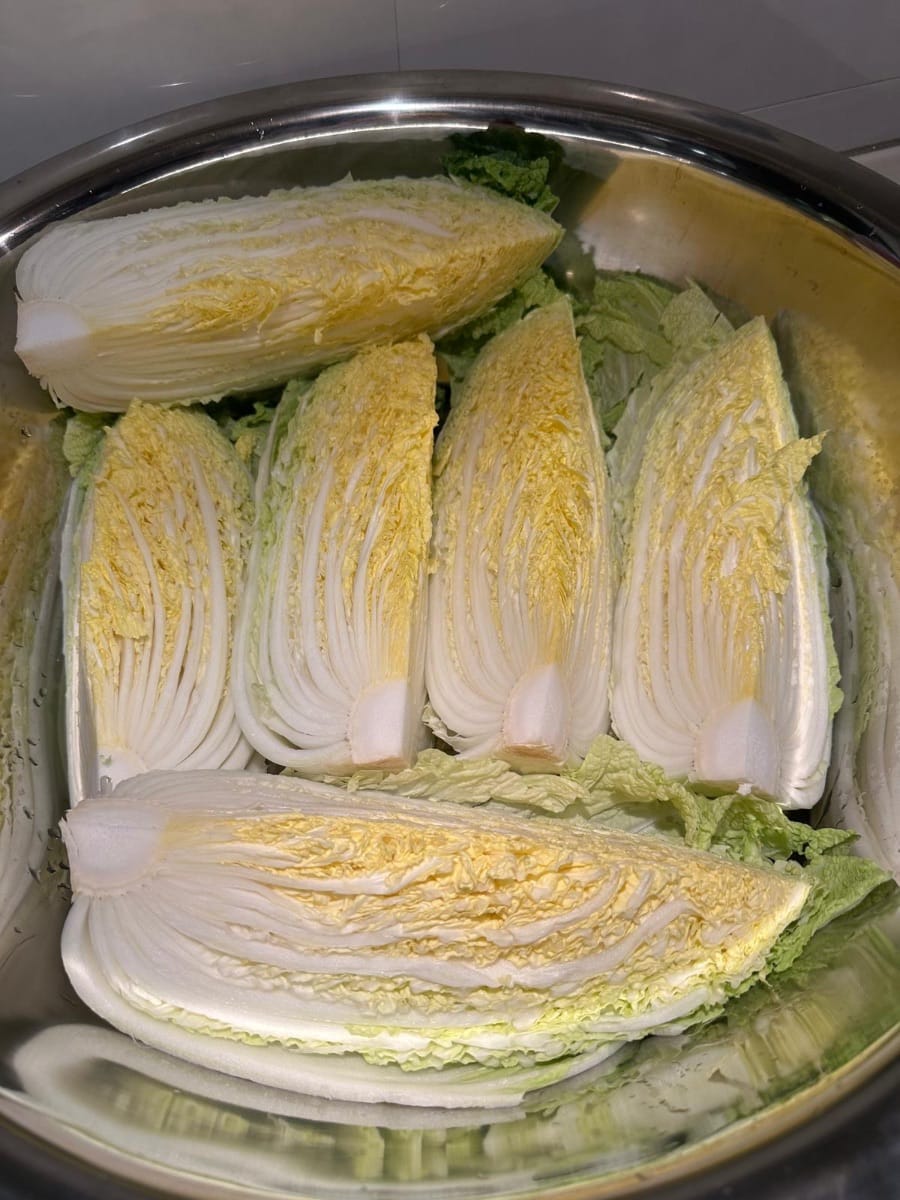
- Start by cutting each big cabbage into 4 quaters
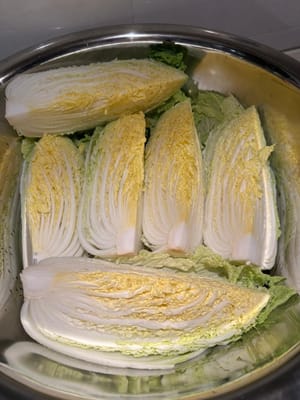
- Marinate the cabbage leaves with salt by layers as shown. Let sit for 8 hours
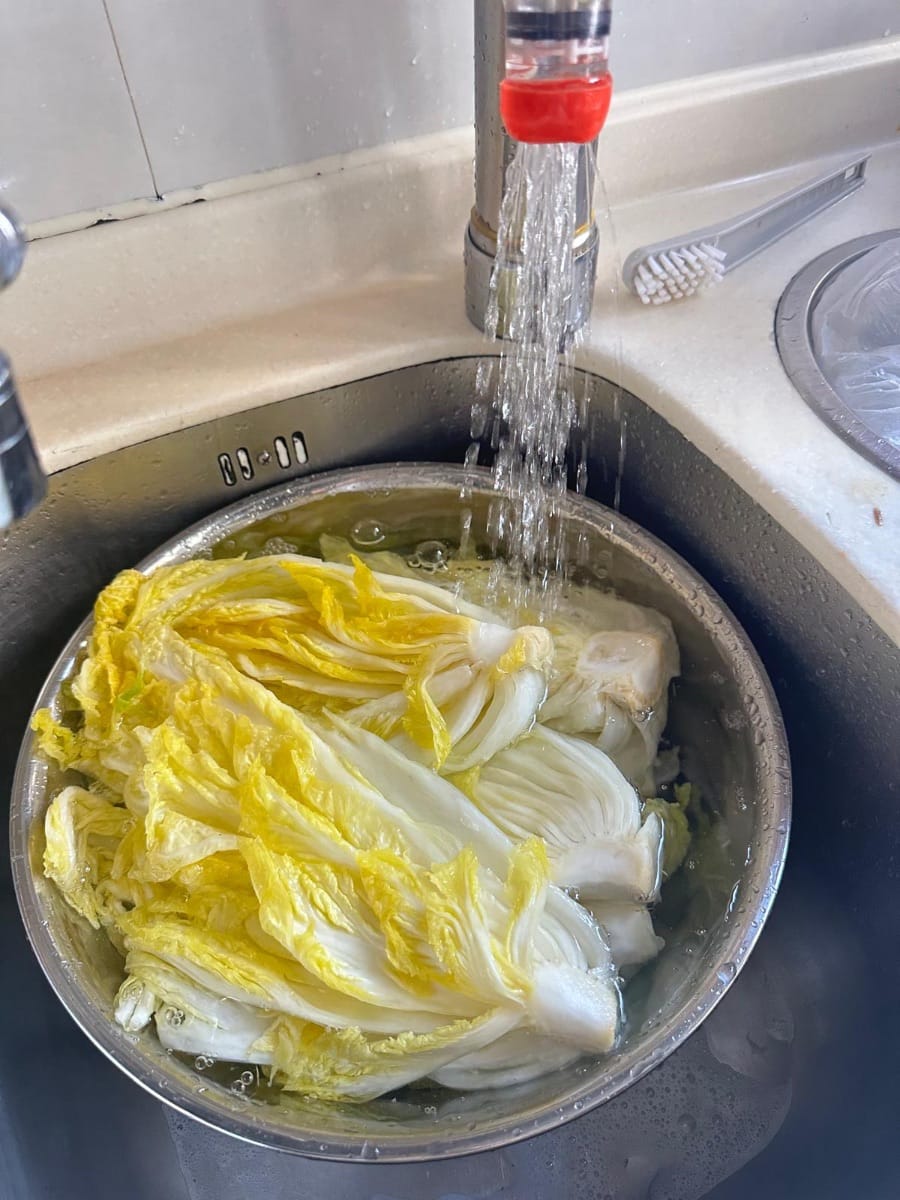
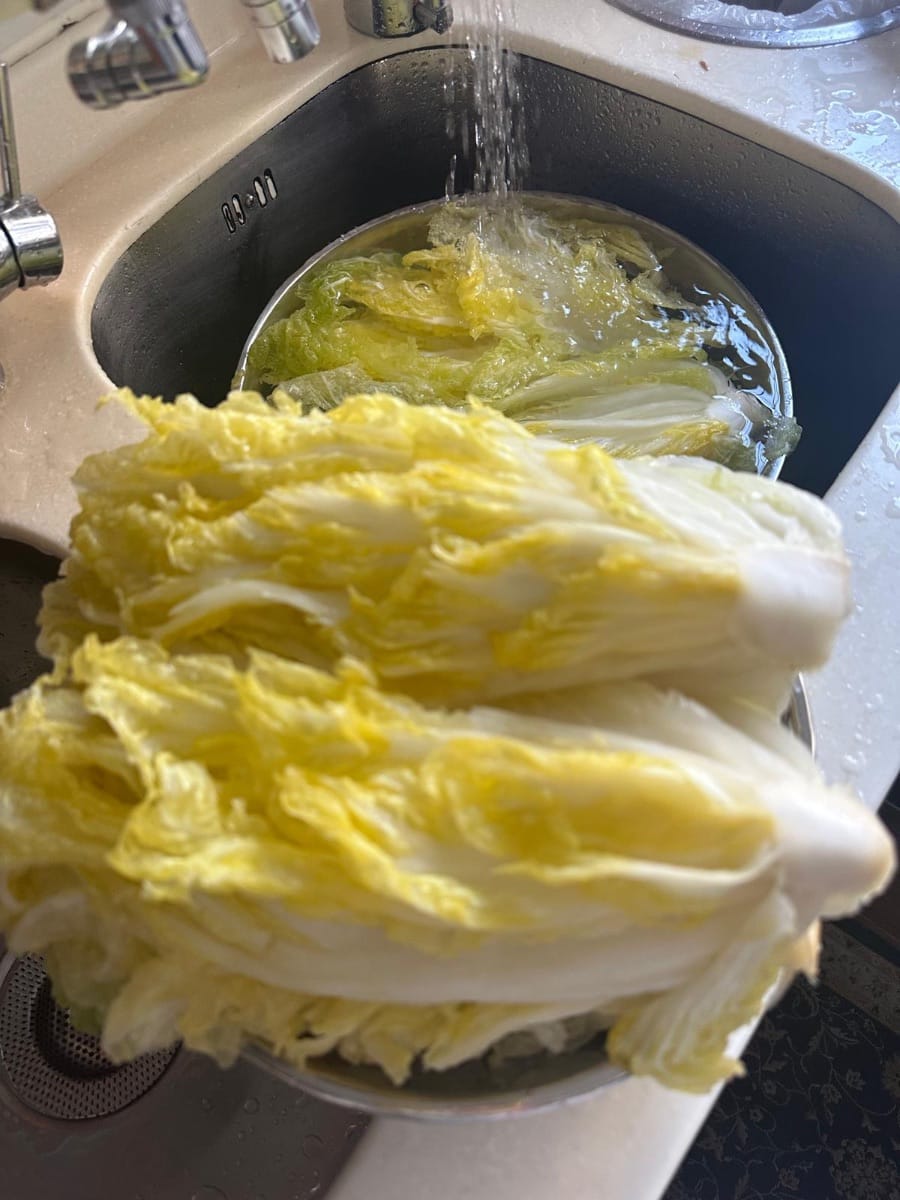
- This should be the texture of the cabbage after marinating
- After marinating, wash off the salt under running water
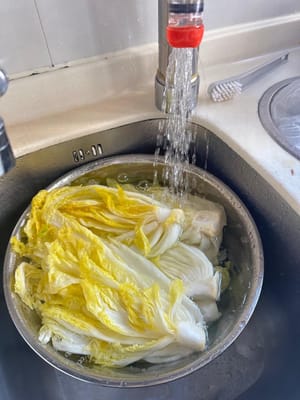
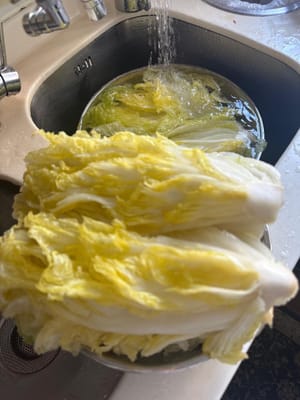
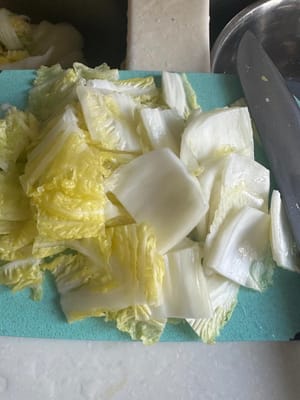
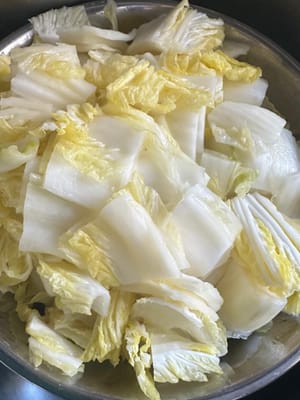
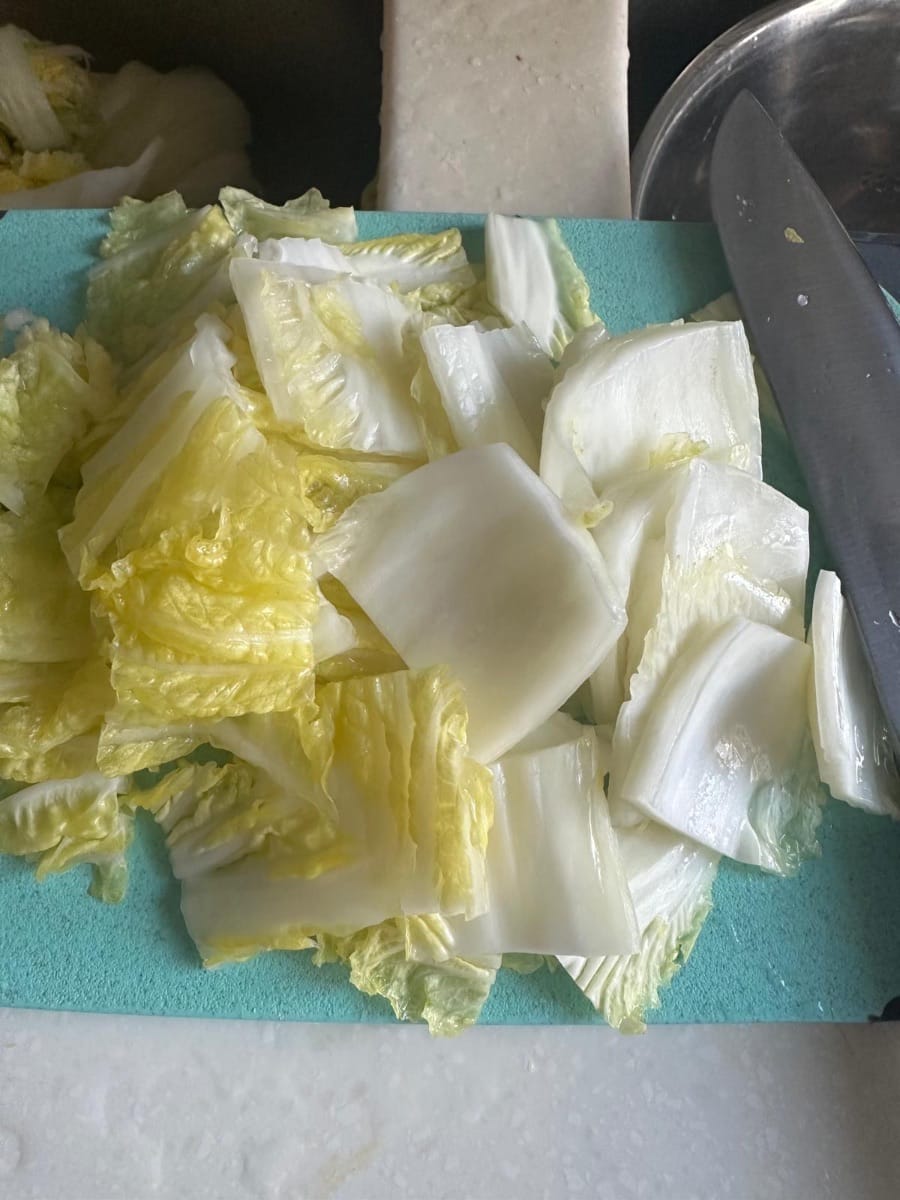
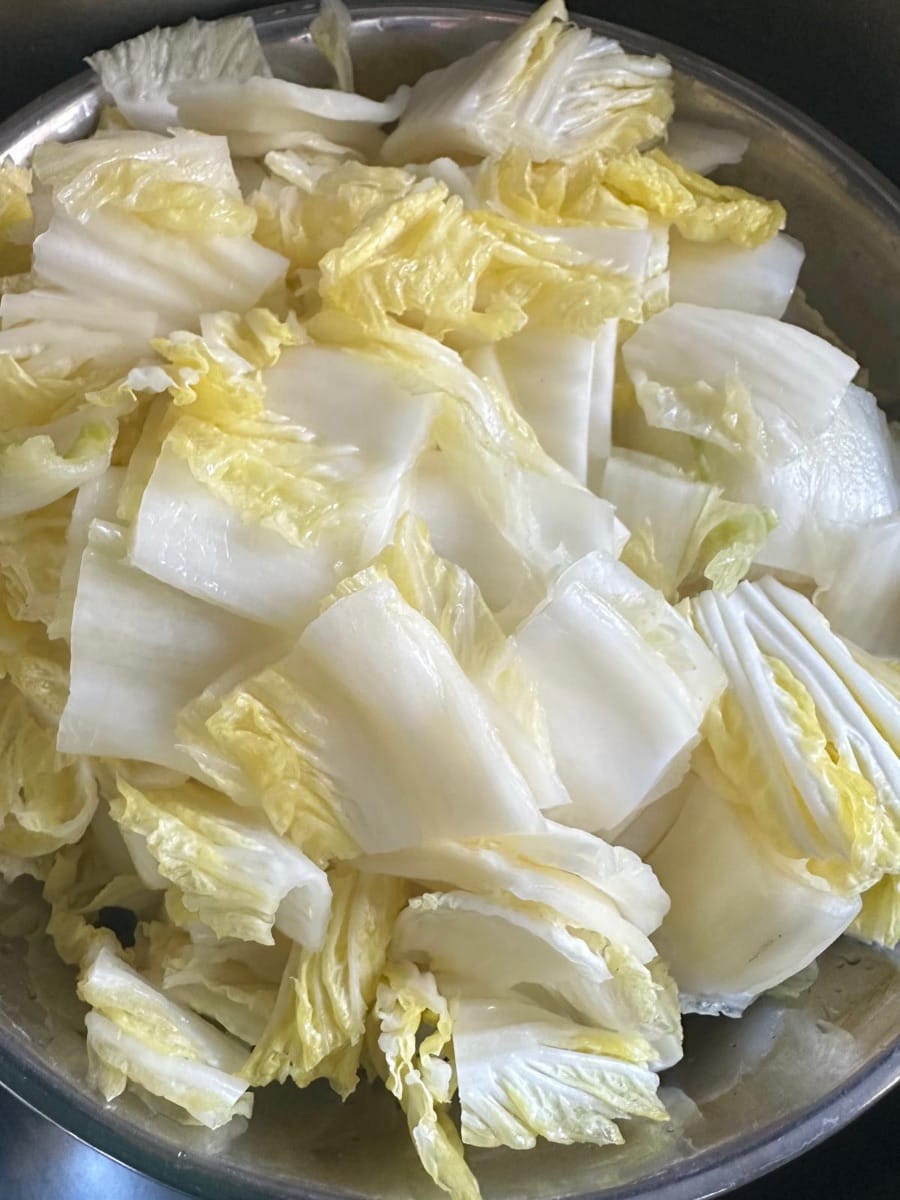
- Then cut them into chunks and set aside
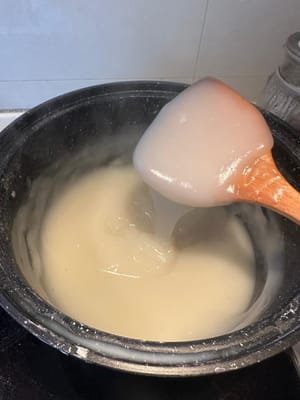
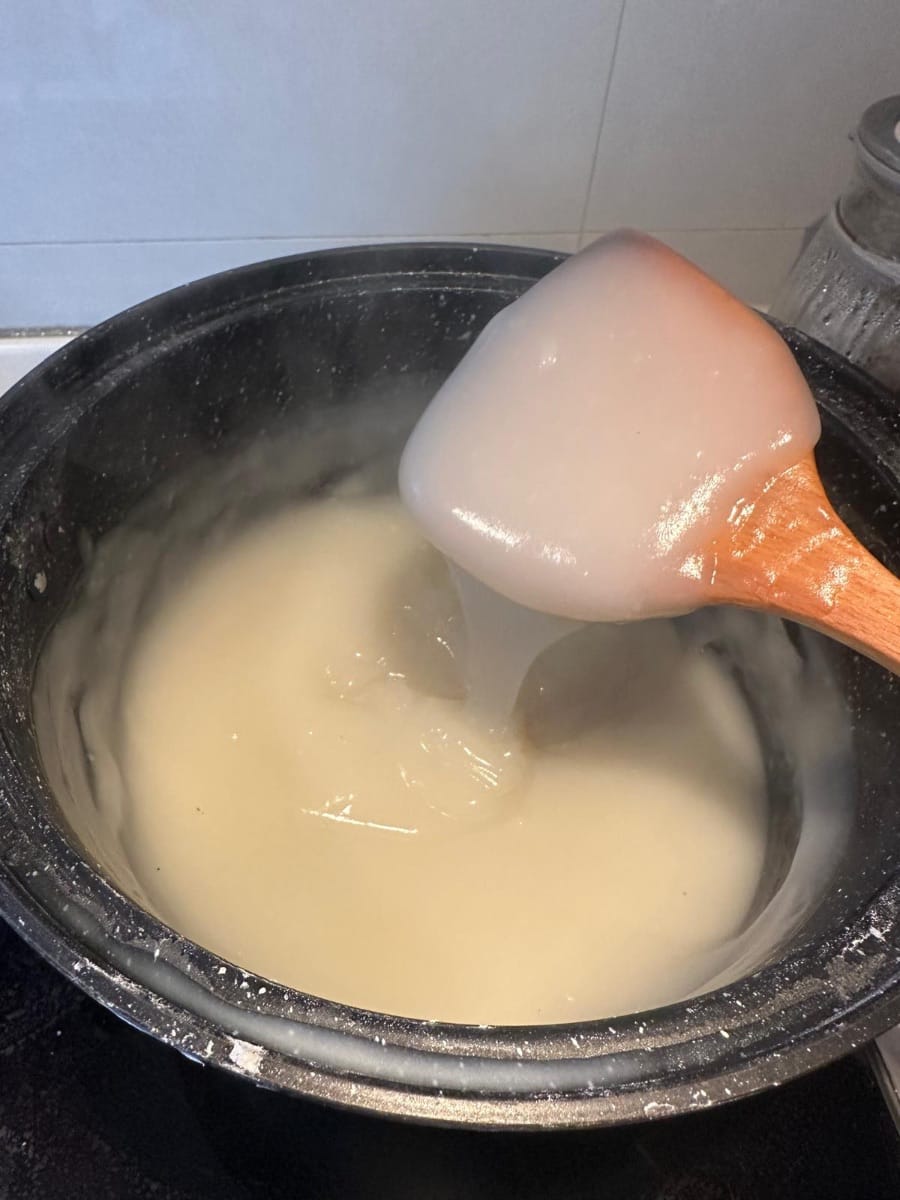
- In a clean pot, mix the glutinous flour with 1500 mL cold water. Once all the flour is well incorporated with water, place on medium heat and mix consistently in one direction
This glutinous mixture helps fermentation to the kimchi
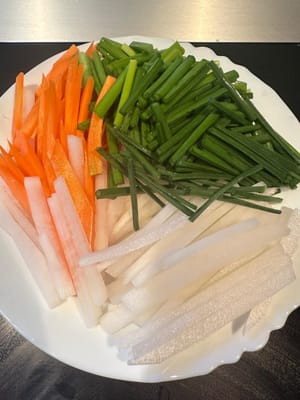
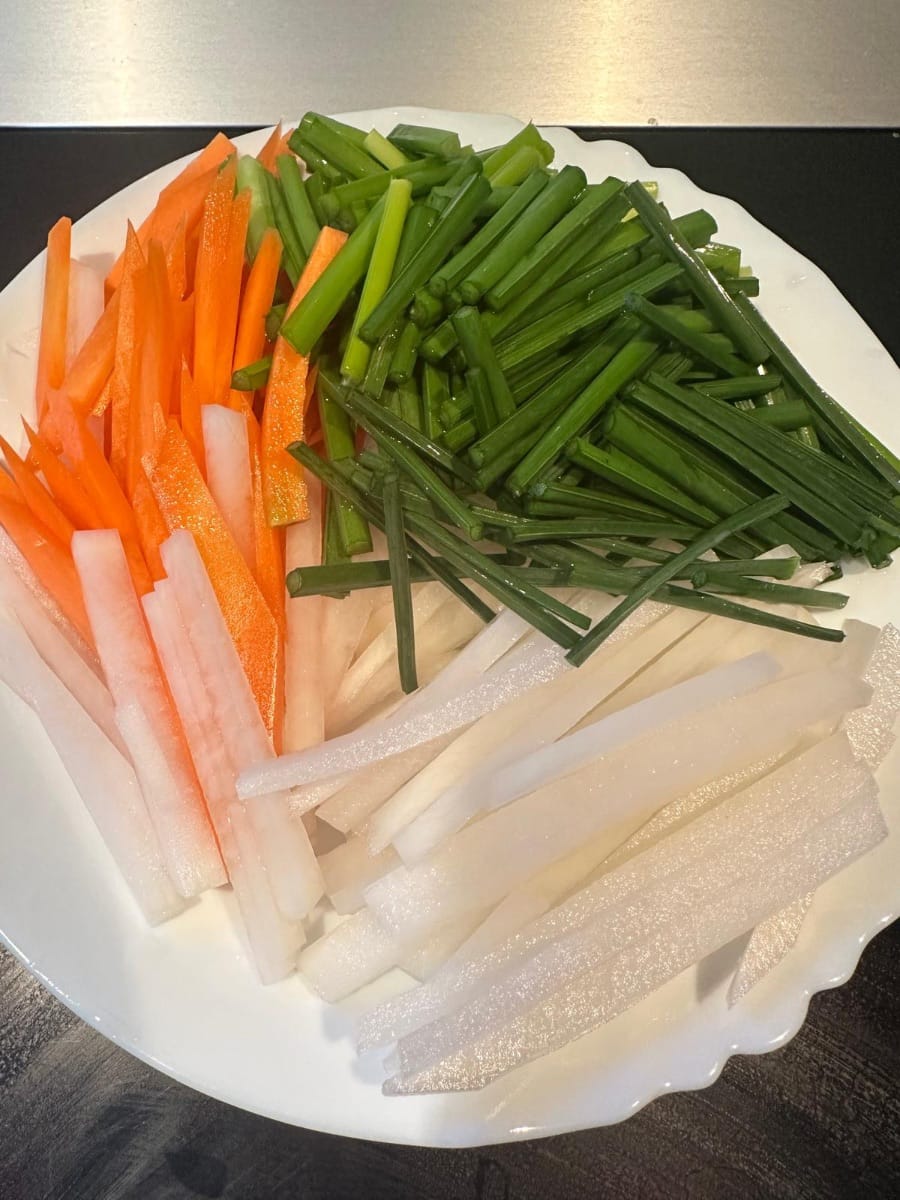
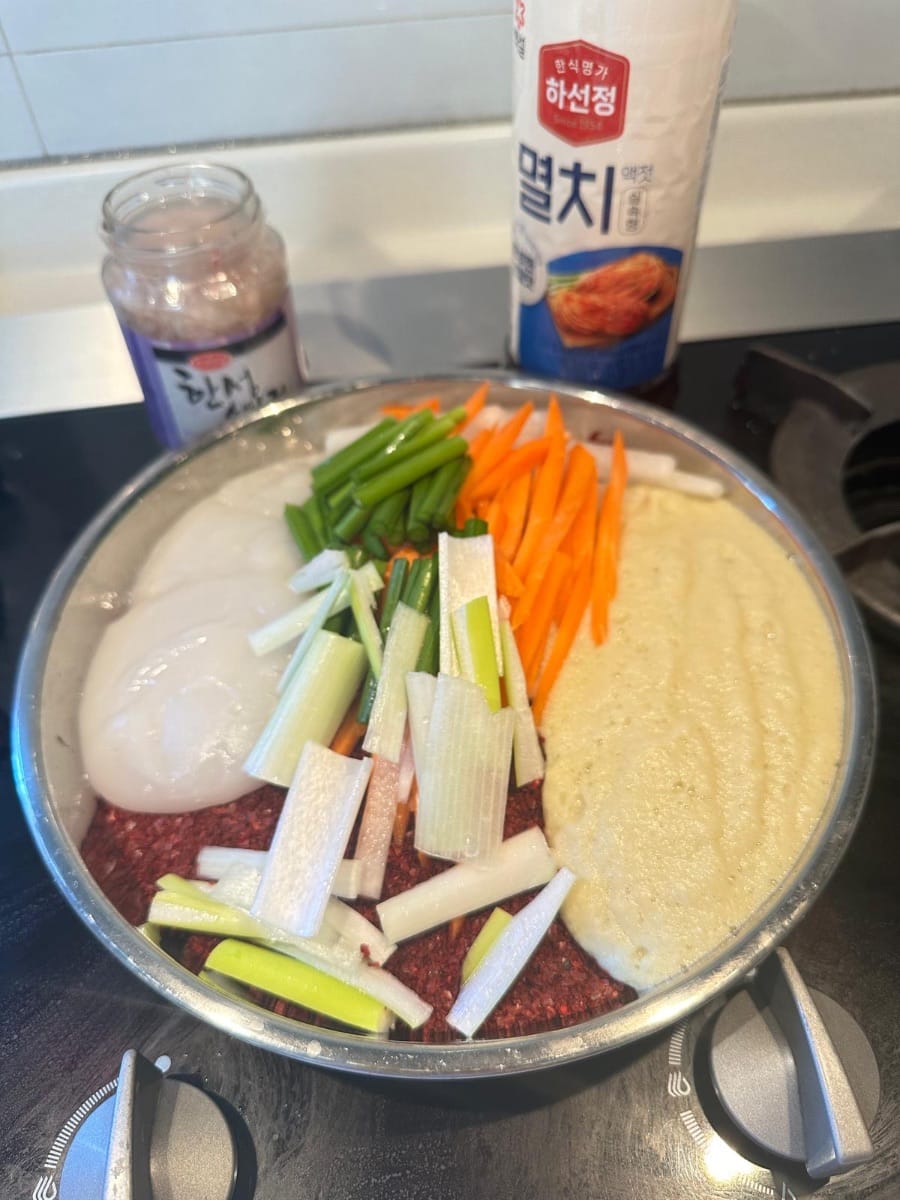
- And cut carrot, white radish and chive flowers as shown, set aside
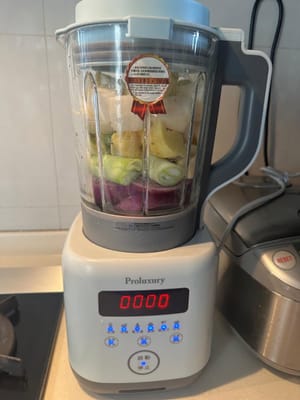
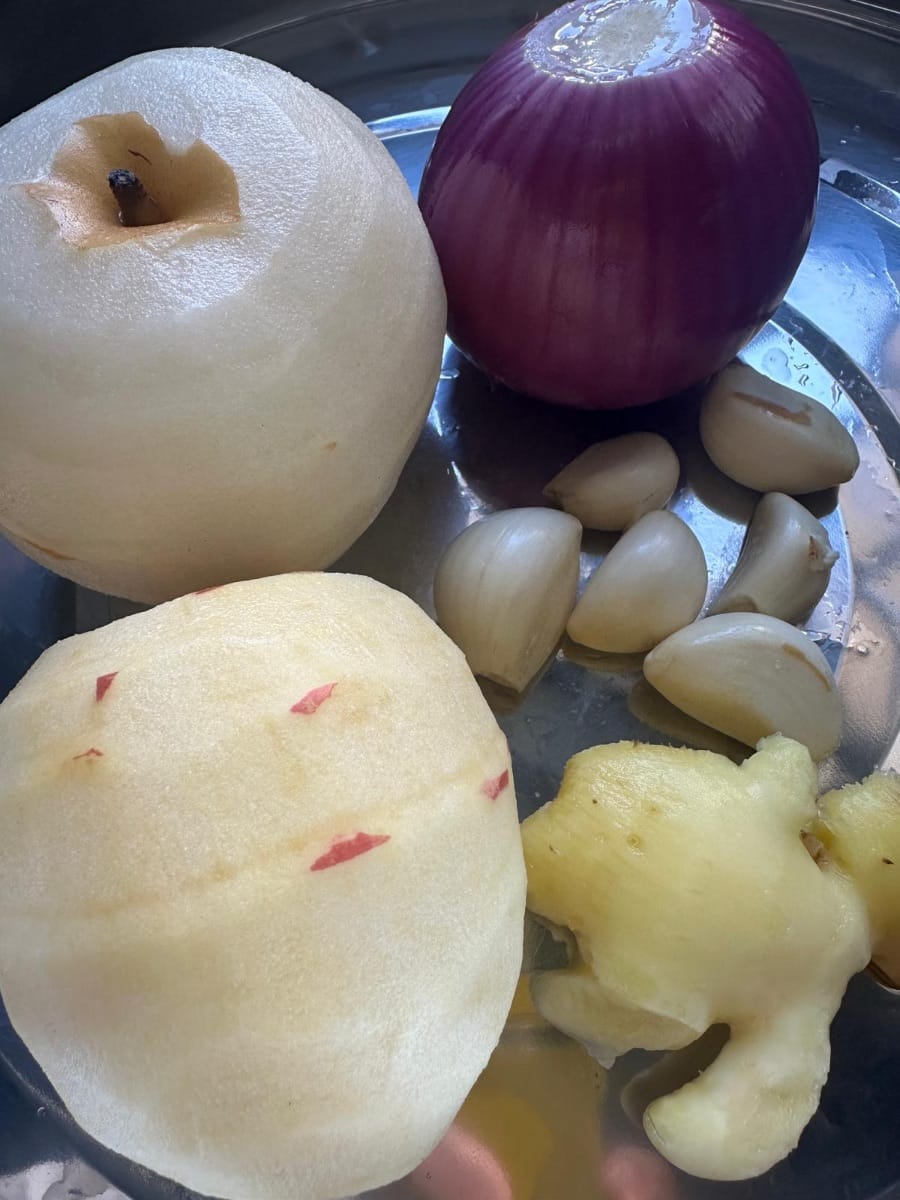
- Prepare pear, apple, garlic and ginger like so

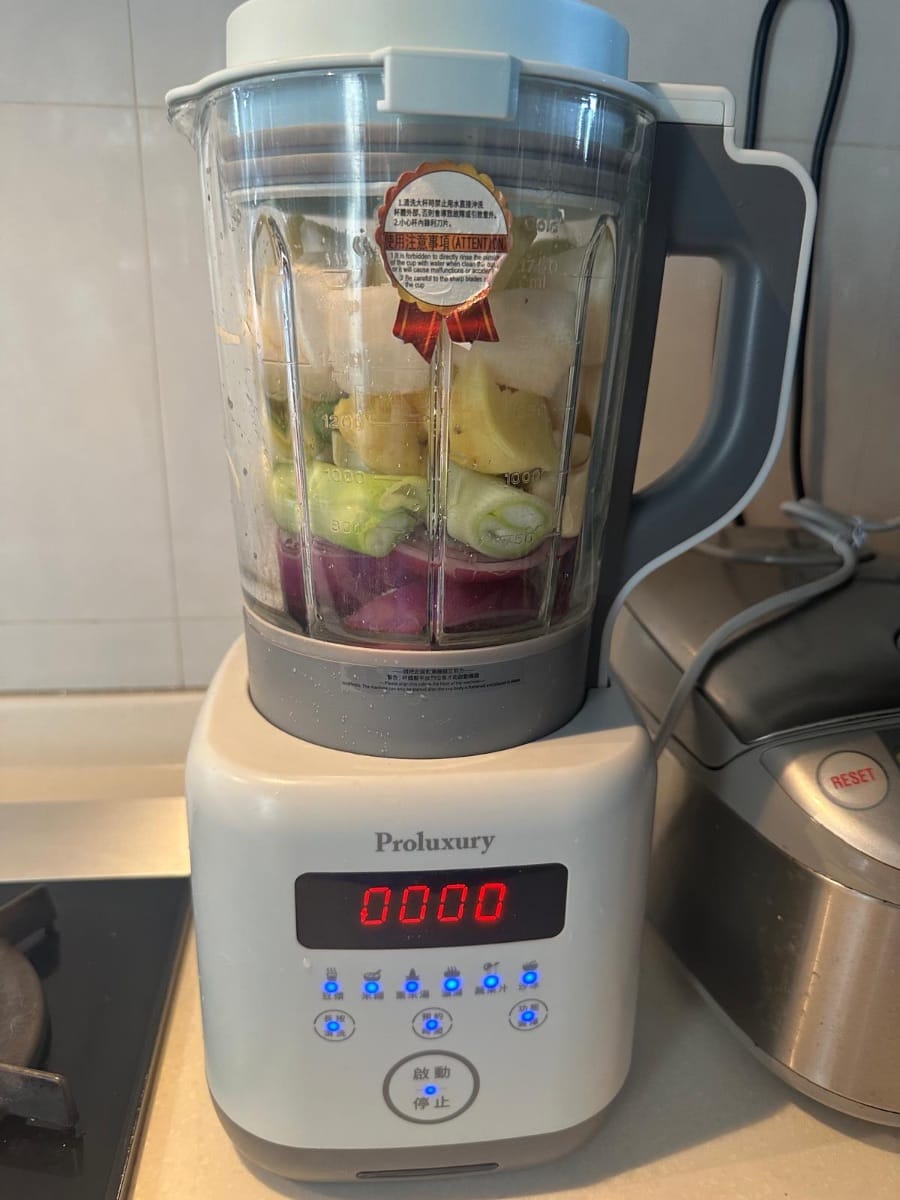
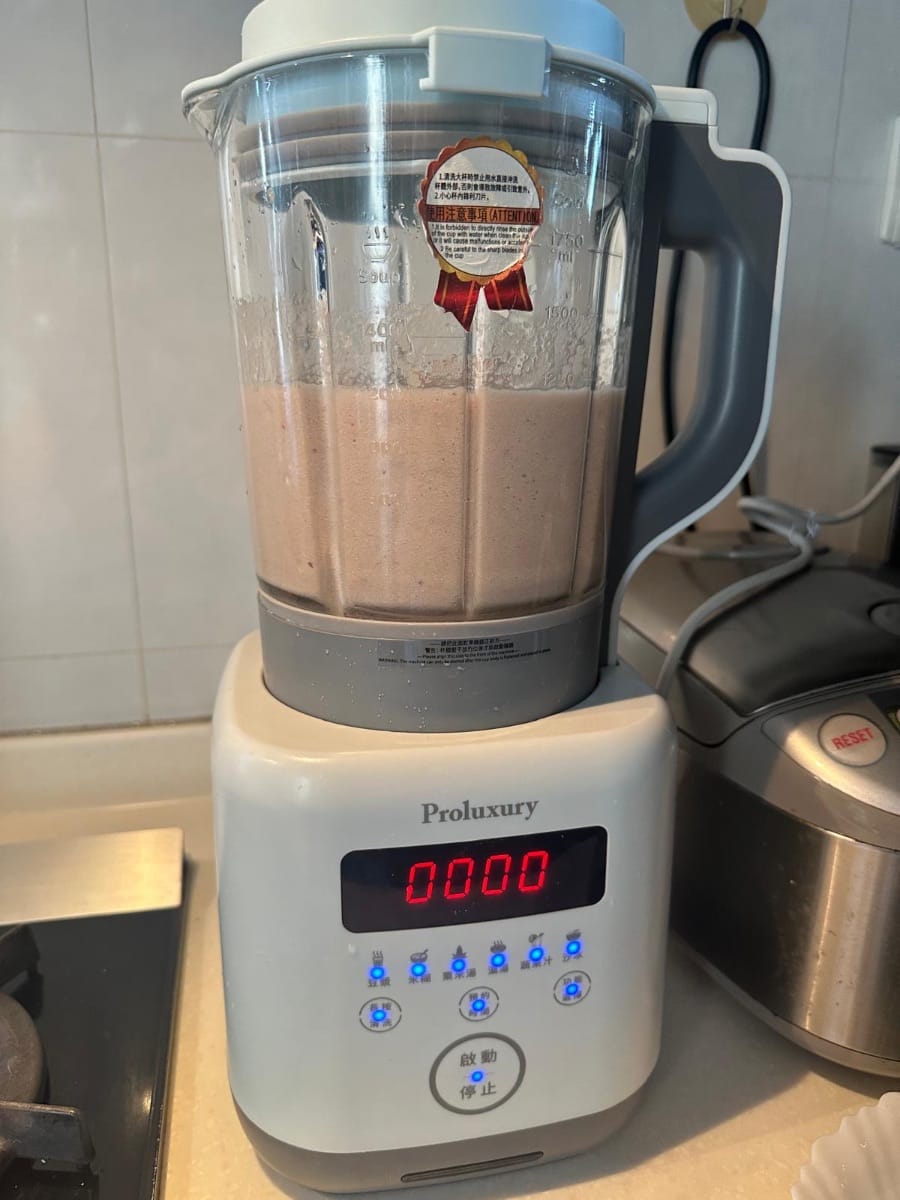
- Blend in a blender
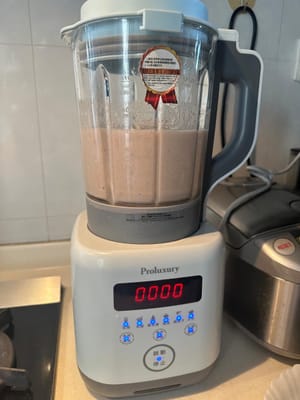
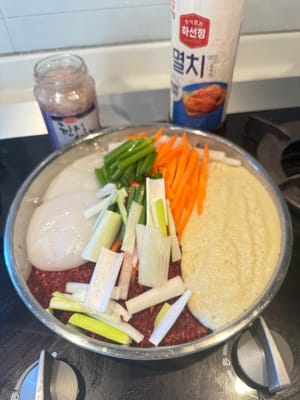
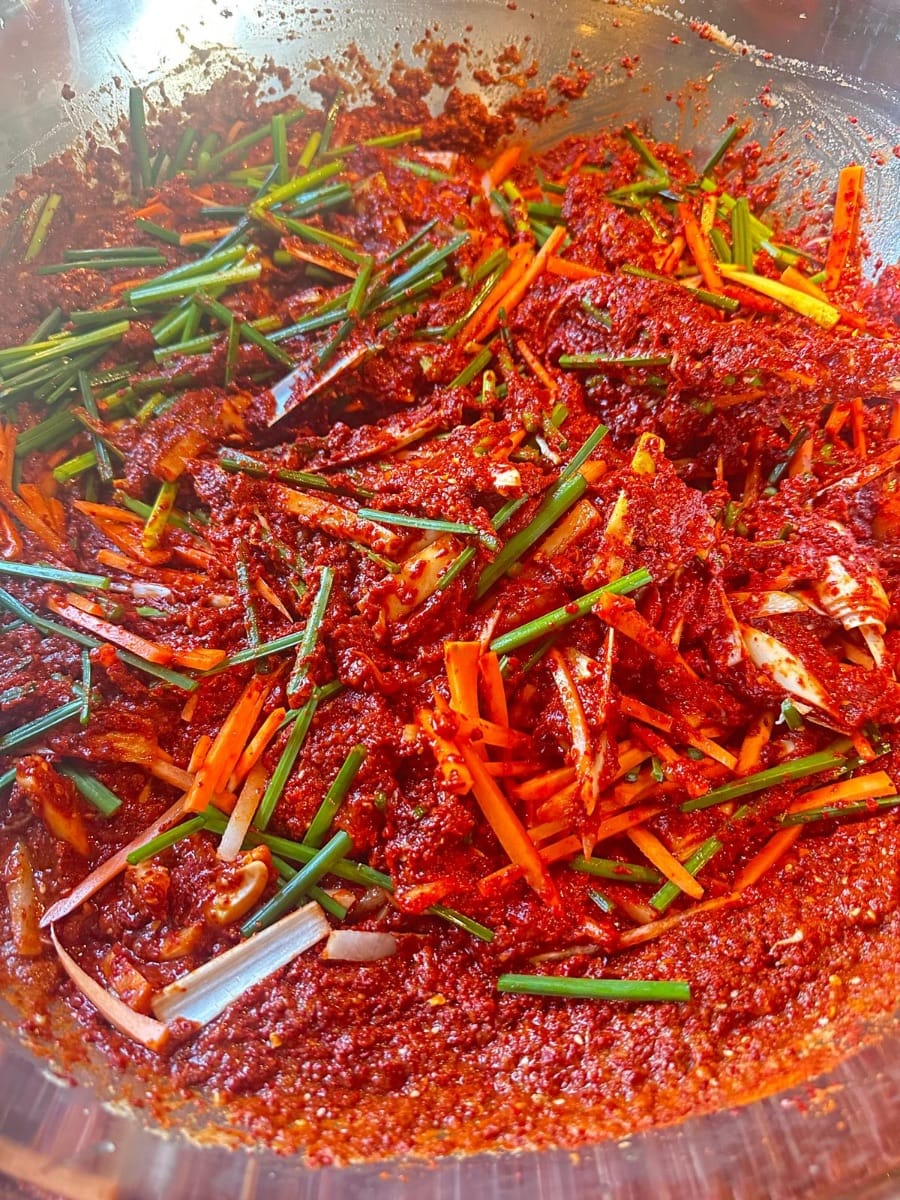
- In a big mixing bowl, add in Korean red pepper powder, glutinous mixture, blended juice, leeks, carrots, white radish and chive flowers
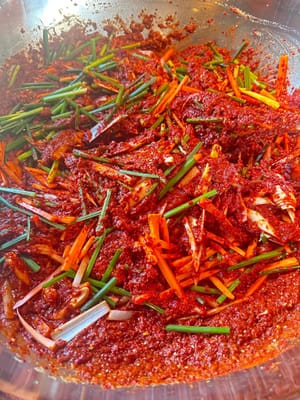
- The sauce should looks like this
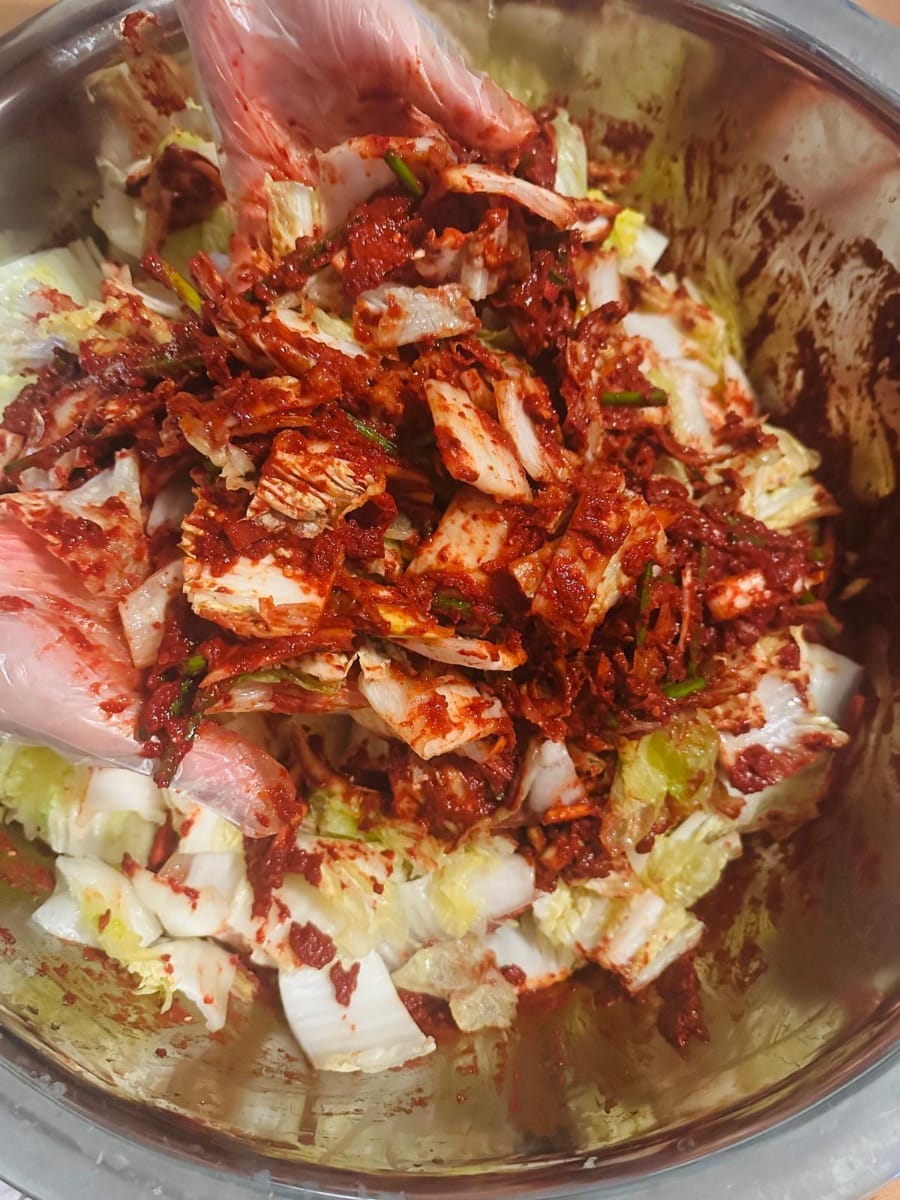
- Start adding in the cabbage and mix well with the sauce
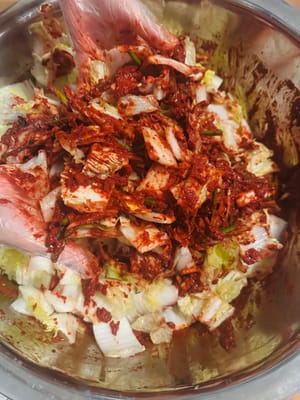
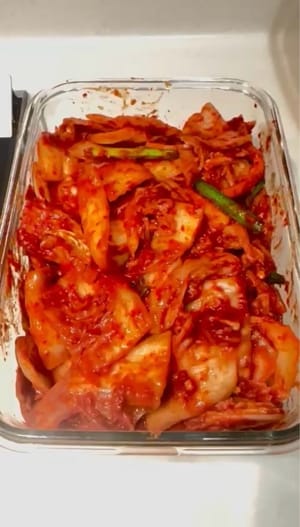
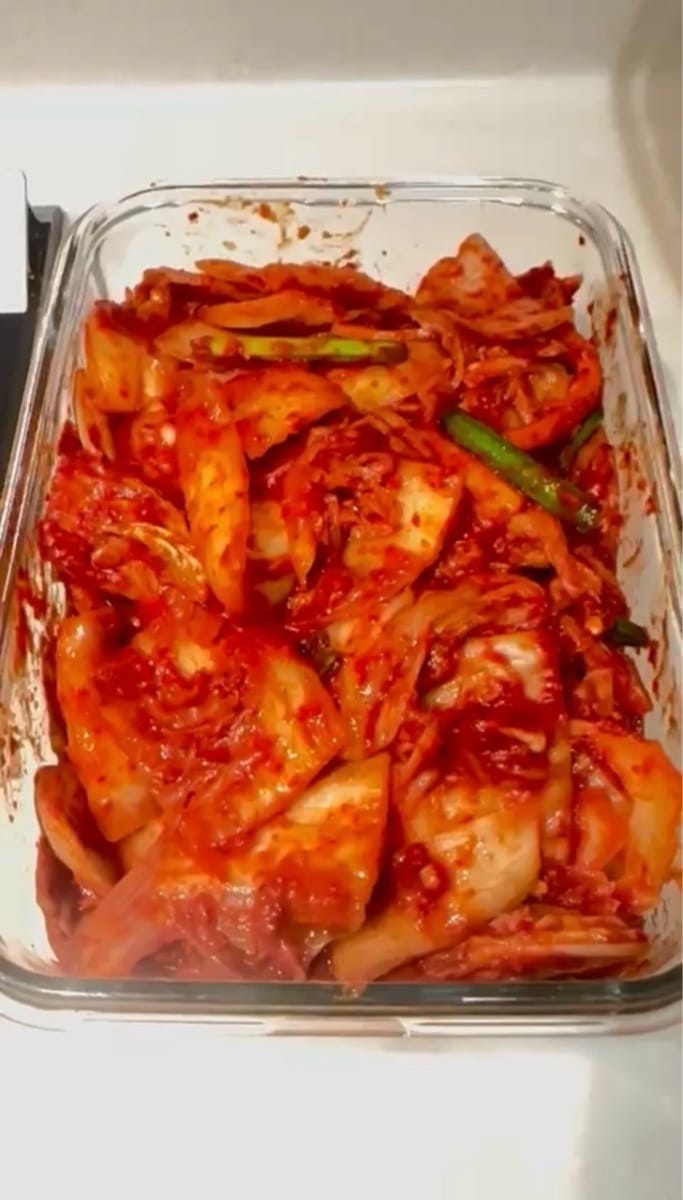
- This is what the finishing products should look like
- Boil the containers for storing kimchi in boiling water for sterilisation
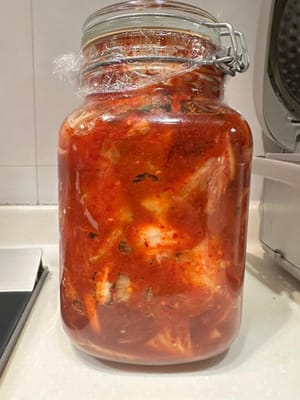
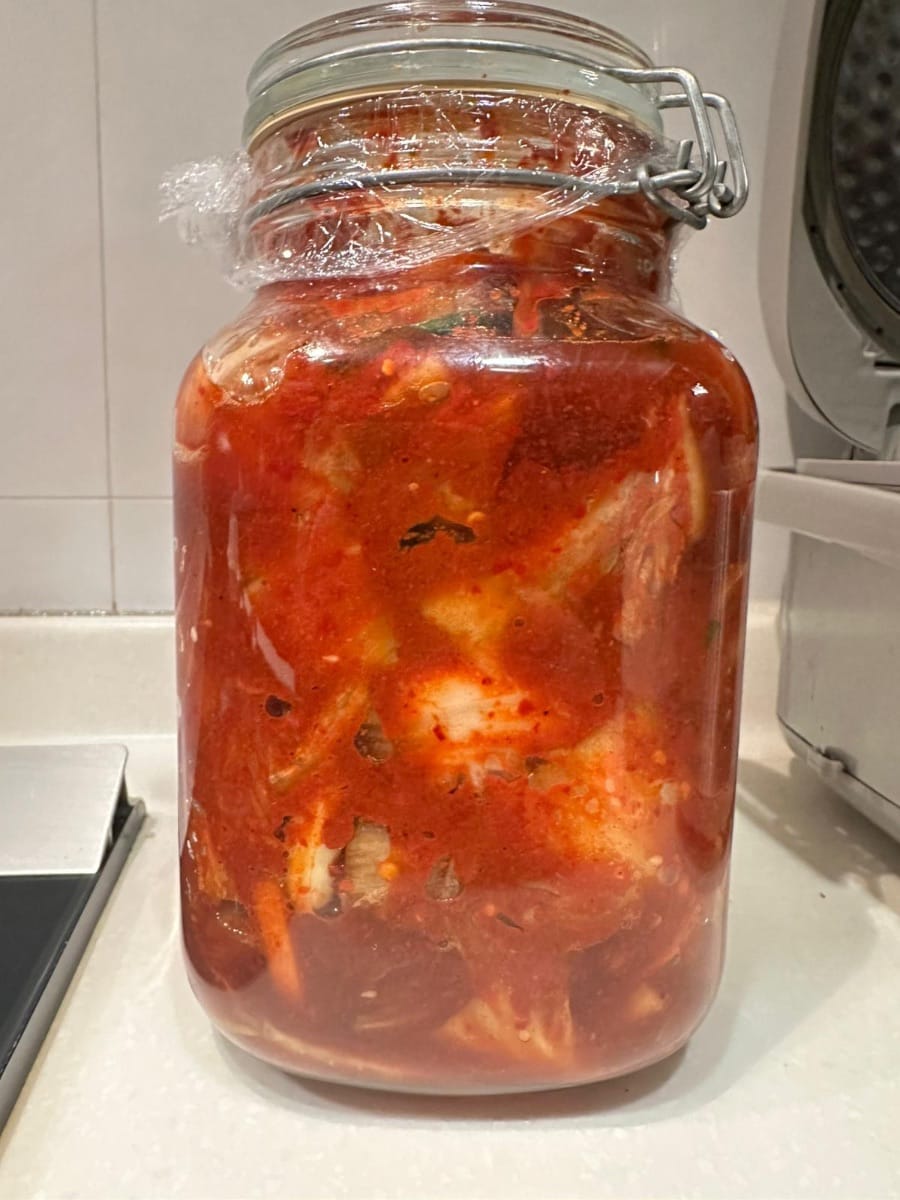
- Lastly, put kimchi into sterilised containers and place in room temperature to ferment for a day. Store in fridge afterwards and serve whenever. Enjoy!
Languages
Koreanisches Kimchi - Deutsch (German) versionkimchi coreano - Español (Spanish) version
kimchi coréen - Français (French) version
Kimchi Korea - Bahasa Indonesia (Indonesian) version
Kimchi coreano - Italiana (Italian) version
韓国のキムチ - 日本語 (Japanese) version
한국 김치 - 한국인 (Korean) version
กิมจิเกาหลี - แบบไทย (Thai) version
韩式泡菜 - 简体中文 (Simplified Chinese) version
韓式泡菜 - 香港繁體中文 (Traditional Chinese - Hong Kong) version