Taro Coconut Milk Sago Pudding

Taro Coconut Milk Sago Pudding

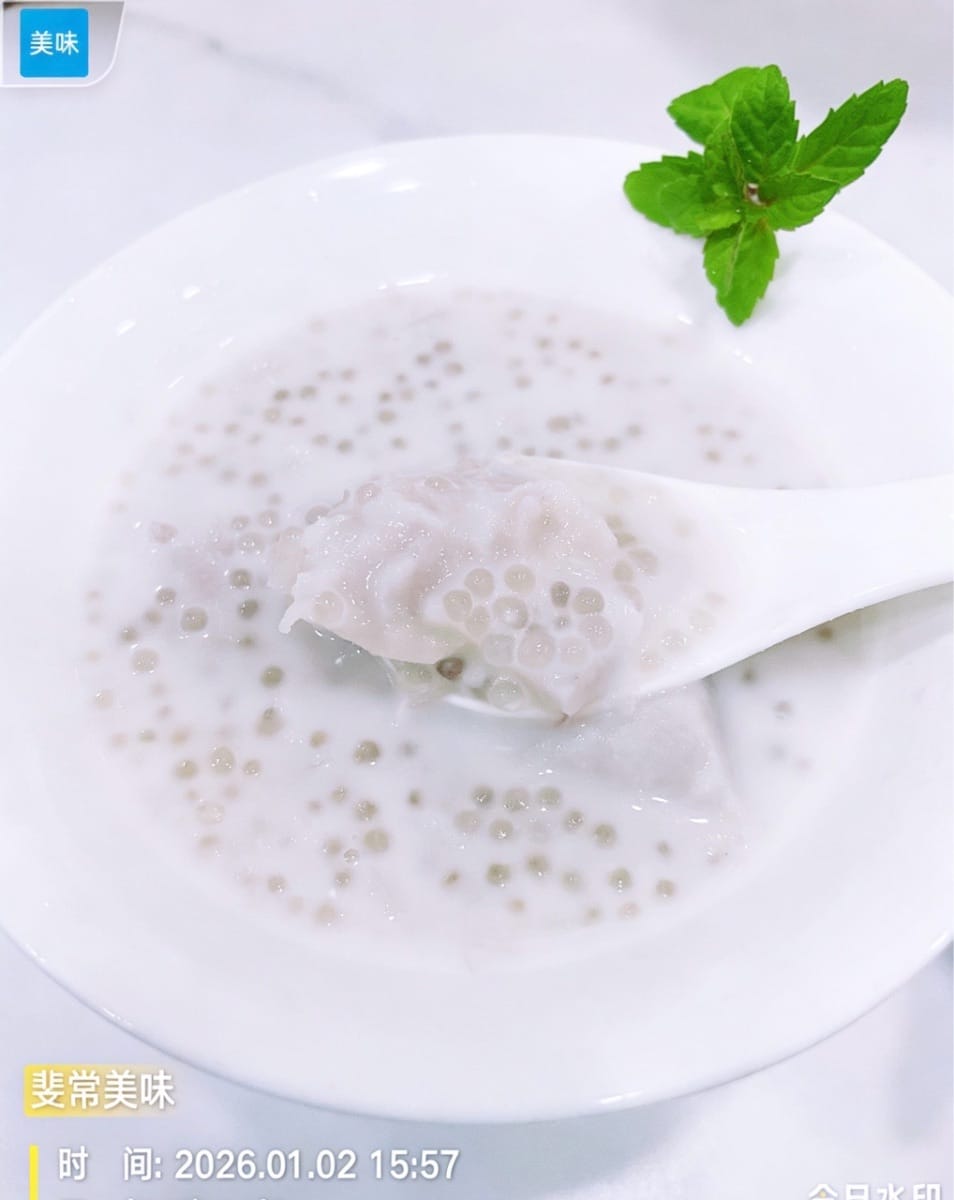
Round, translucent sago pearls float in a milky white coconut milk base, with soft, powdery taro chunks nestled within. No fancy seasonings, just pure coconut and taro aromas—the simple, home-style flavor is the most appealing! The sago pearls are smooth and chewy, the taro is stewed until soft and melts in your mouth, the sweetness of the coconut milk and the glutinous aroma of the taro blending perfectly. Best of all, it's a low-calorie version—delicious and guilt-free. Chilled, it's refreshingly sweet and cleansing; warm, it's smooth, comforting, and fragrant.

Ingredients

Steps

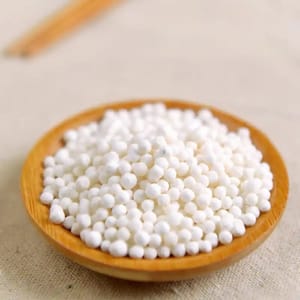
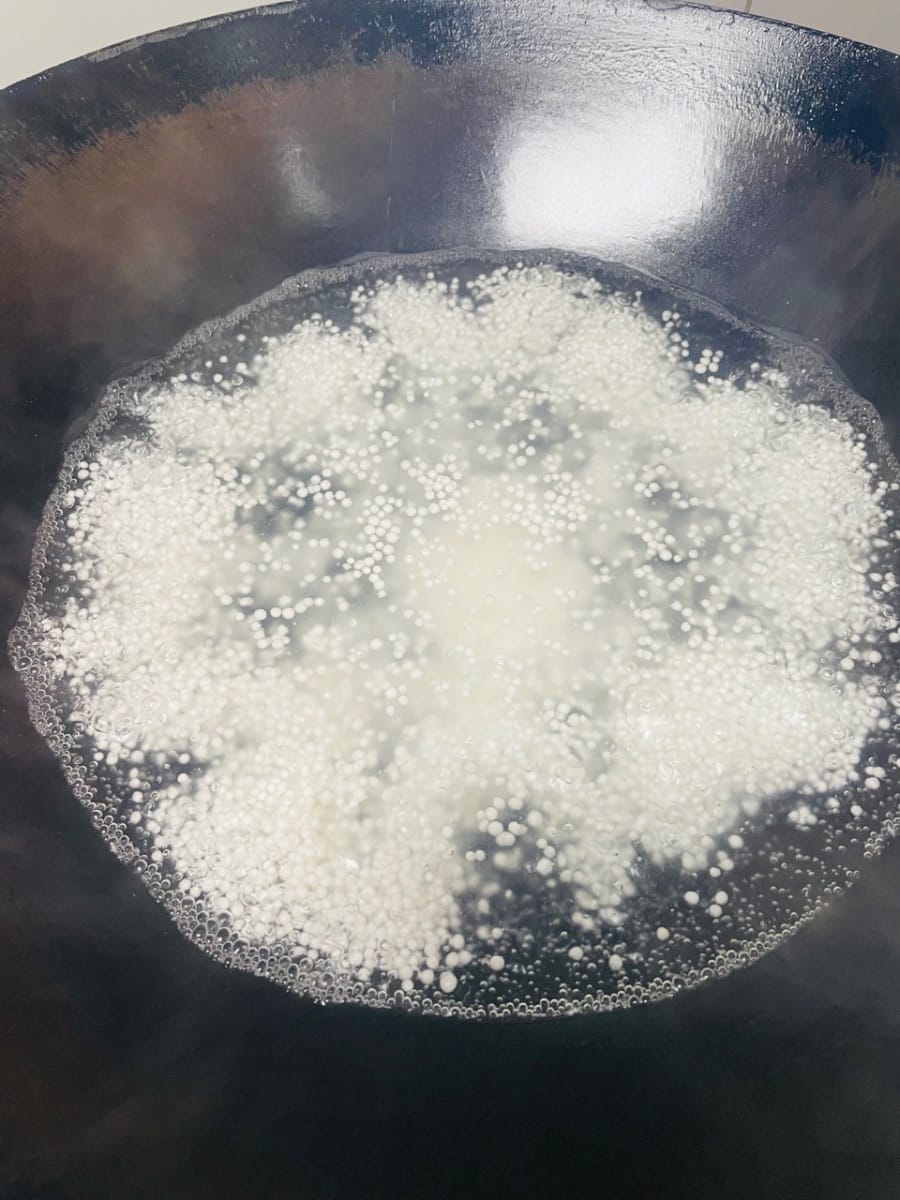
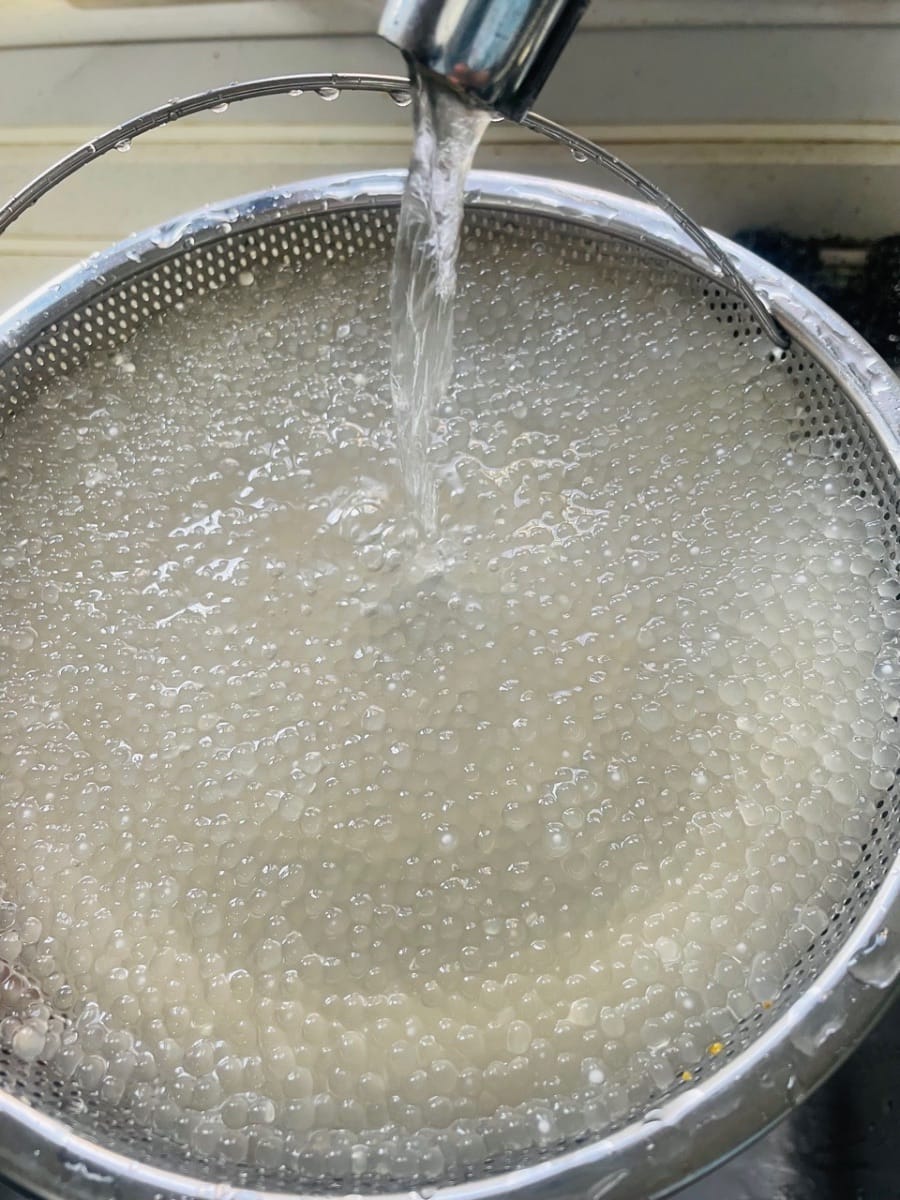
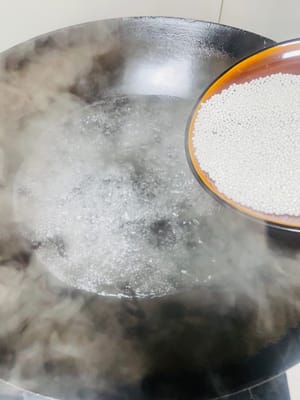
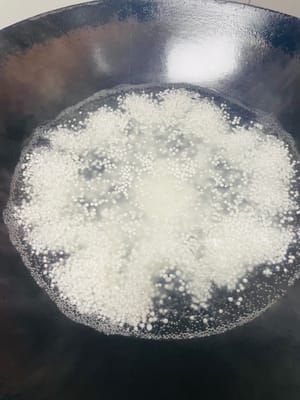
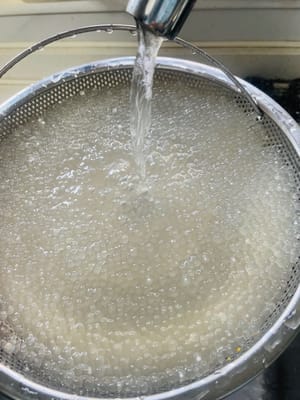
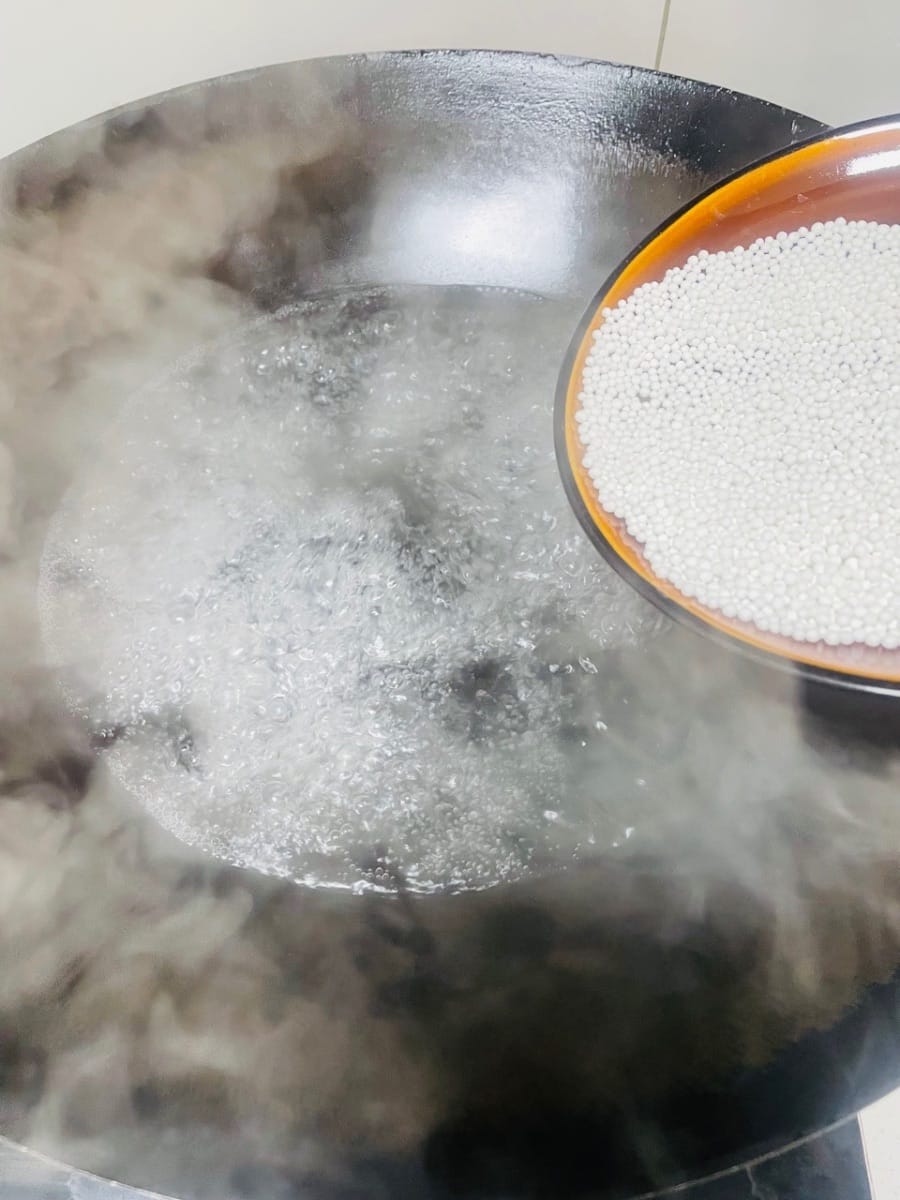
  1. Cooking Sago (Key Steps): Add enough water to a pot and bring to a boil over high heat. Add the sago and cook for 10 minutes, stirring constantly to prevent sticking. When the sago is translucent on the outside and has a small white core in the center, drain the hot water and rinse the sago with cold water (to remove stickiness). Add boiling water again and cook for 5 minutes. Turn off the heat, cover, and let it sit for 15 minutes, until the sago is completely translucent. Finally, rinse with cooled boiled water and drain. This will make the sago more chewy and less sticky.
    Cooking Sago (Key Steps): Add enough water to a pot and bring to a boil over high heat. Add the sago and cook for 10 minutes, stirring constantly to prevent sticking. When the sago is translucent on the outside and has a small white core in the center, drain the hot water and rinse the sago with cold water (to remove stickiness). Add boiling water again and cook for 5 minutes. Turn off the heat, cover, and let it sit for 15 minutes, until the sago is completely translucent. Finally, rinse with cooled boiled water and drain. This will make the sago more chewy and less sticky. Cooking Sago (Key Steps): Add enough water to a pot and bring to a boil over high heat. Add the sago and cook for 10 minutes, stirring constantly to prevent sticking. When the sago is translucent on the outside and has a small white core in the center, drain the hot water and rinse the sago with cold water (to remove stickiness). Add boiling water again and cook for 5 minutes. Turn off the heat, cover, and let it sit for 15 minutes, until the sago is completely translucent. Finally, rinse with cooled boiled water and drain. This will make the sago more chewy and less sticky. Cooking Sago (Key Steps): Add enough water to a pot and bring to a boil over high heat. Add the sago and cook for 10 minutes, stirring constantly to prevent sticking. When the sago is translucent on the outside and has a small white core in the center, drain the hot water and rinse the sago with cold water (to remove stickiness). Add boiling water again and cook for 5 minutes. Turn off the heat, cover, and let it sit for 15 minutes, until the sago is completely translucent. Finally, rinse with cooled boiled water and drain. This will make the sago more chewy and less sticky.
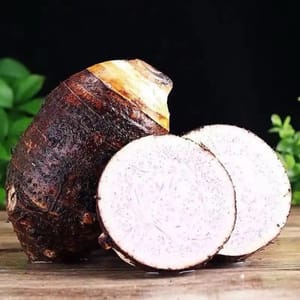
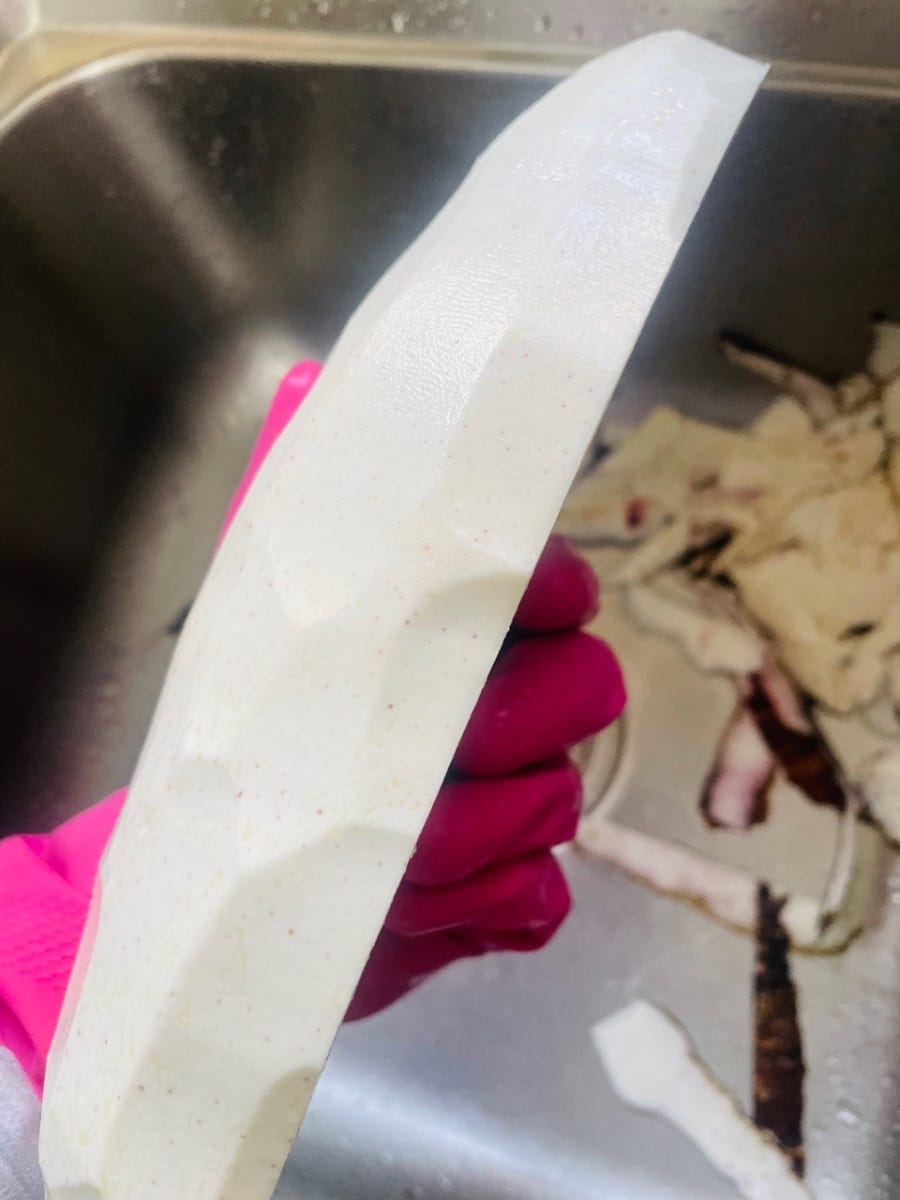
  2. Preparing the taro: Wear gloves to peel the taro (to avoid itchy hands), cut it into cubes about 3cm in size, and wash off the surface starch.
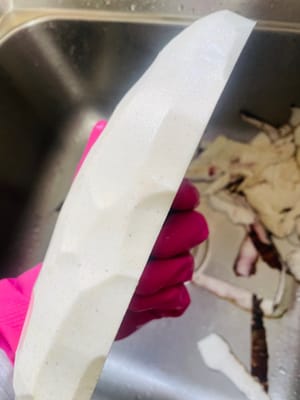
    Preparing the taro: Wear gloves to peel the taro (to avoid itchy hands), cut it into cubes about 3cm in size, and wash off the surface starch.
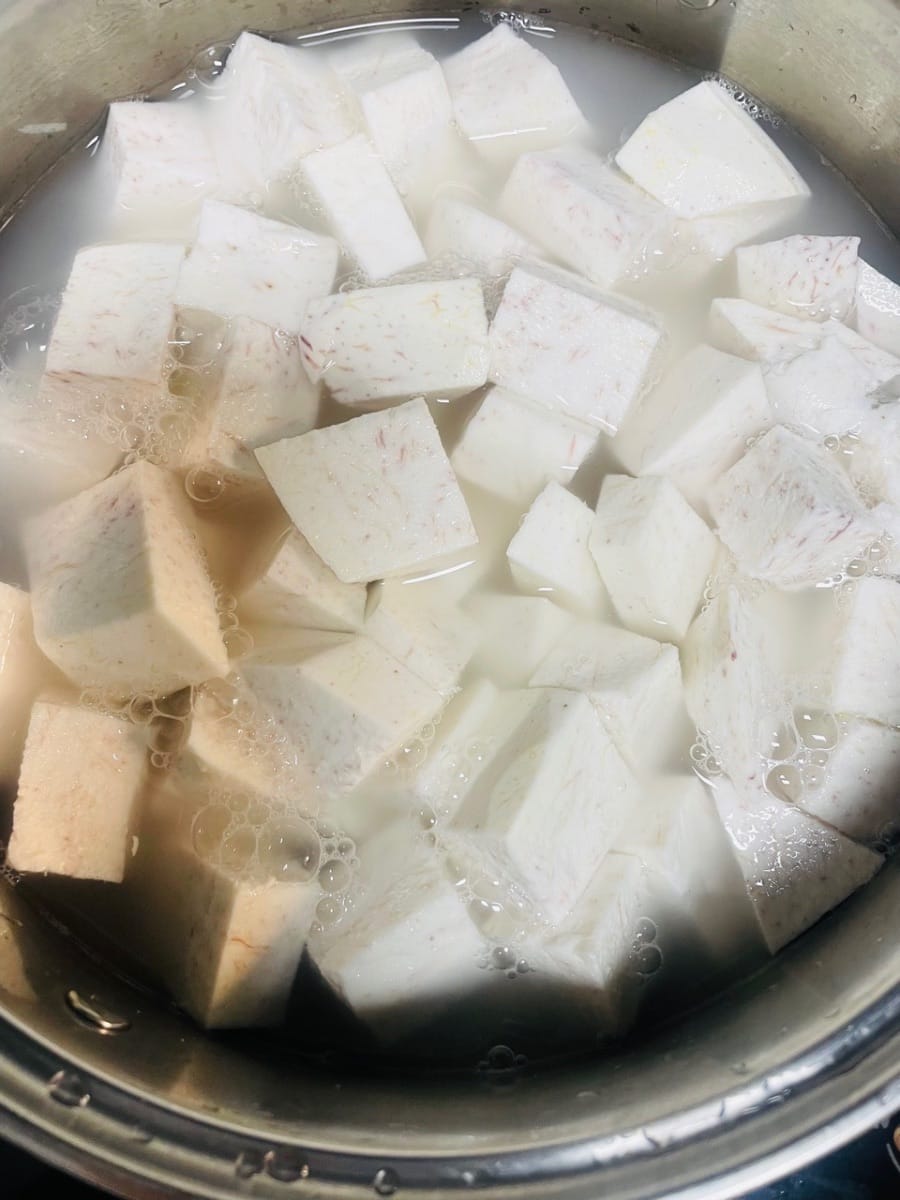
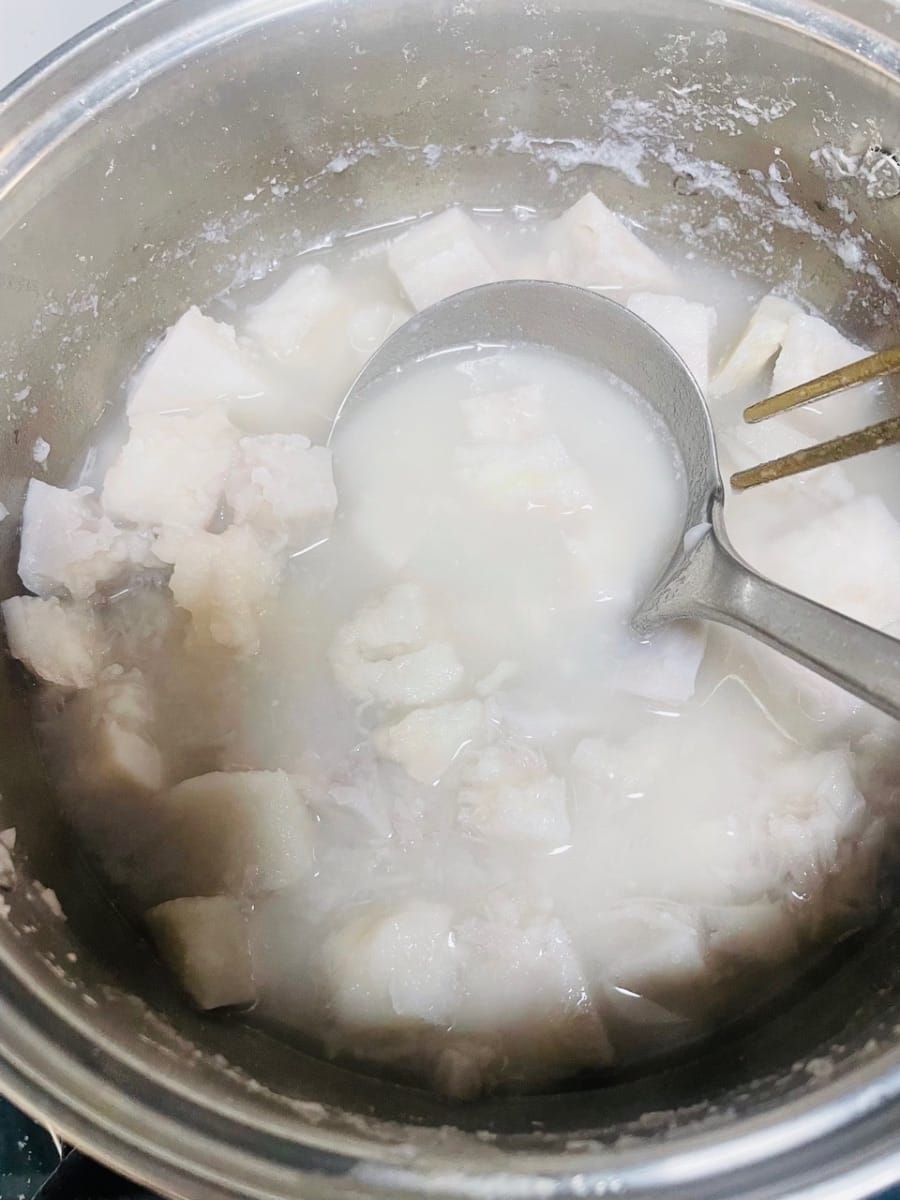
  3. Boil taro: Add 1000g of water to a pot and bring to a boil. Add taro chunks and cook over high heat for 10 minutes, or until they can be easily pierced with chopsticks and fall apart at the touch. Turn off the heat and set aside.
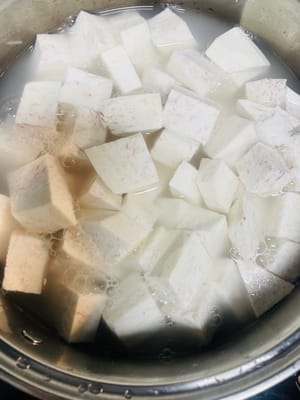
    Boil taro: Add 1000g of water to a pot and bring to a boil. Add taro chunks and cook over high heat for 10 minutes, or until they can be easily pierced with chopsticks and fall apart at the touch. Turn off the heat and set aside. Boil taro: Add 1000g of water to a pot and bring to a boil. Add taro chunks and cook over high heat for 10 minutes, or until they can be easily pierced with chopsticks and fall apart at the touch. Turn off the heat and set aside. Boil taro: Add 1000g of water to a pot and bring to a boil. Add taro chunks and cook over high heat for 10 minutes, or until they can be easily pierced with chopsticks and fall apart at the touch. Turn off the heat and set aside.
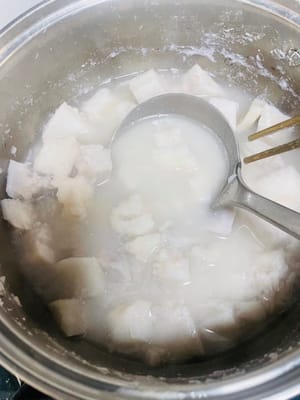
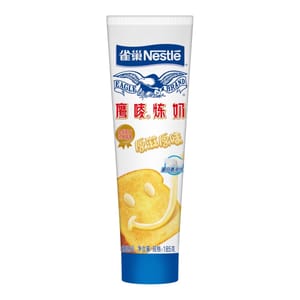
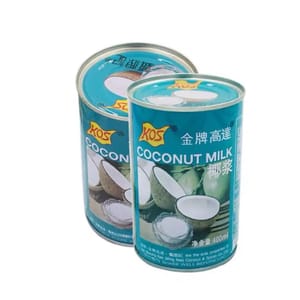
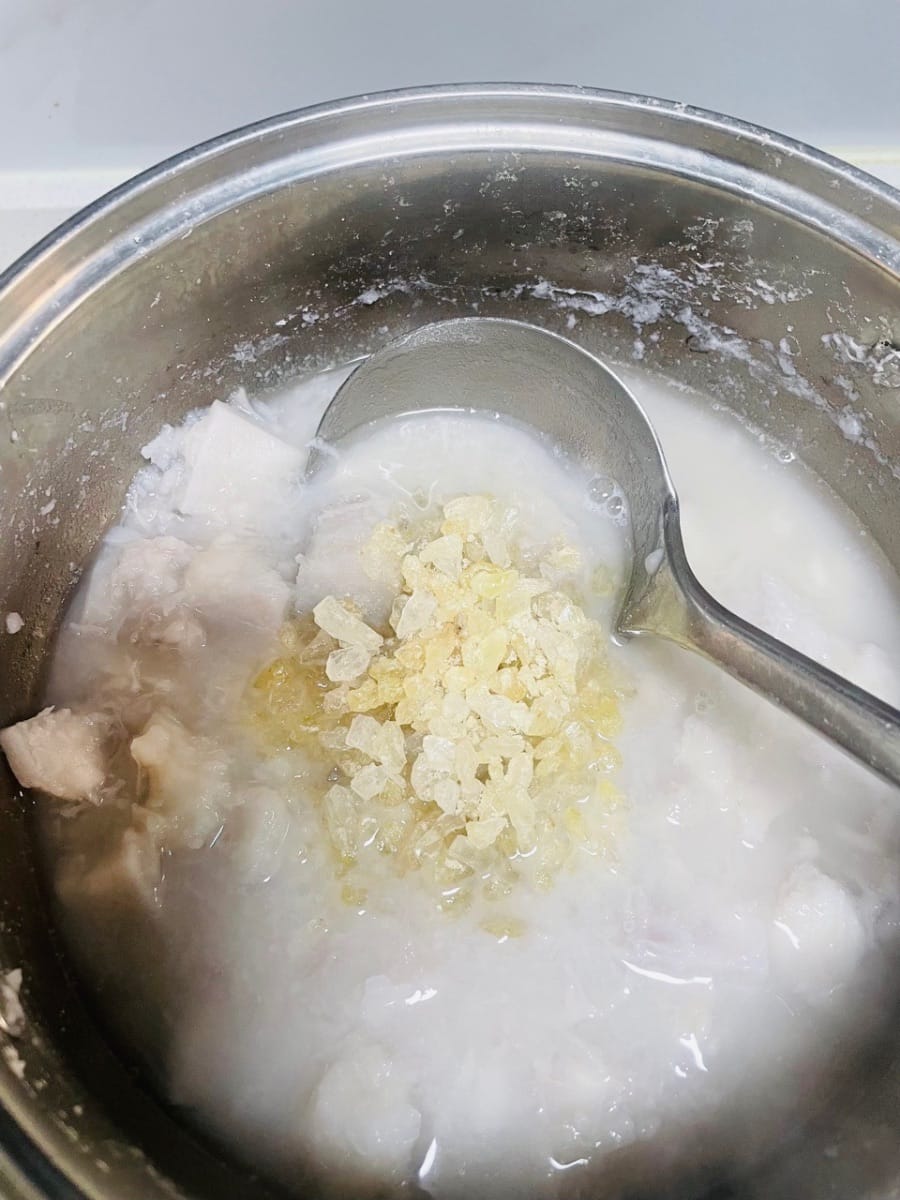
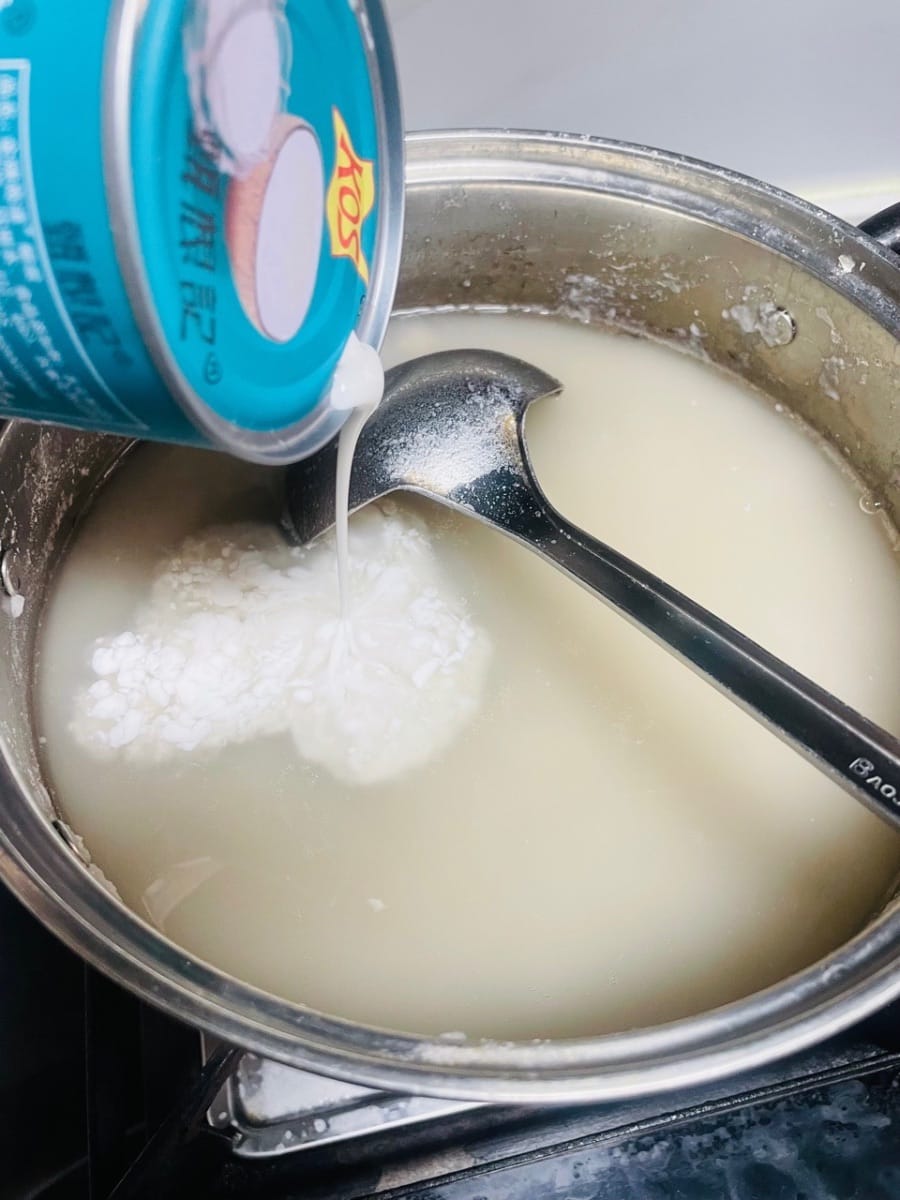
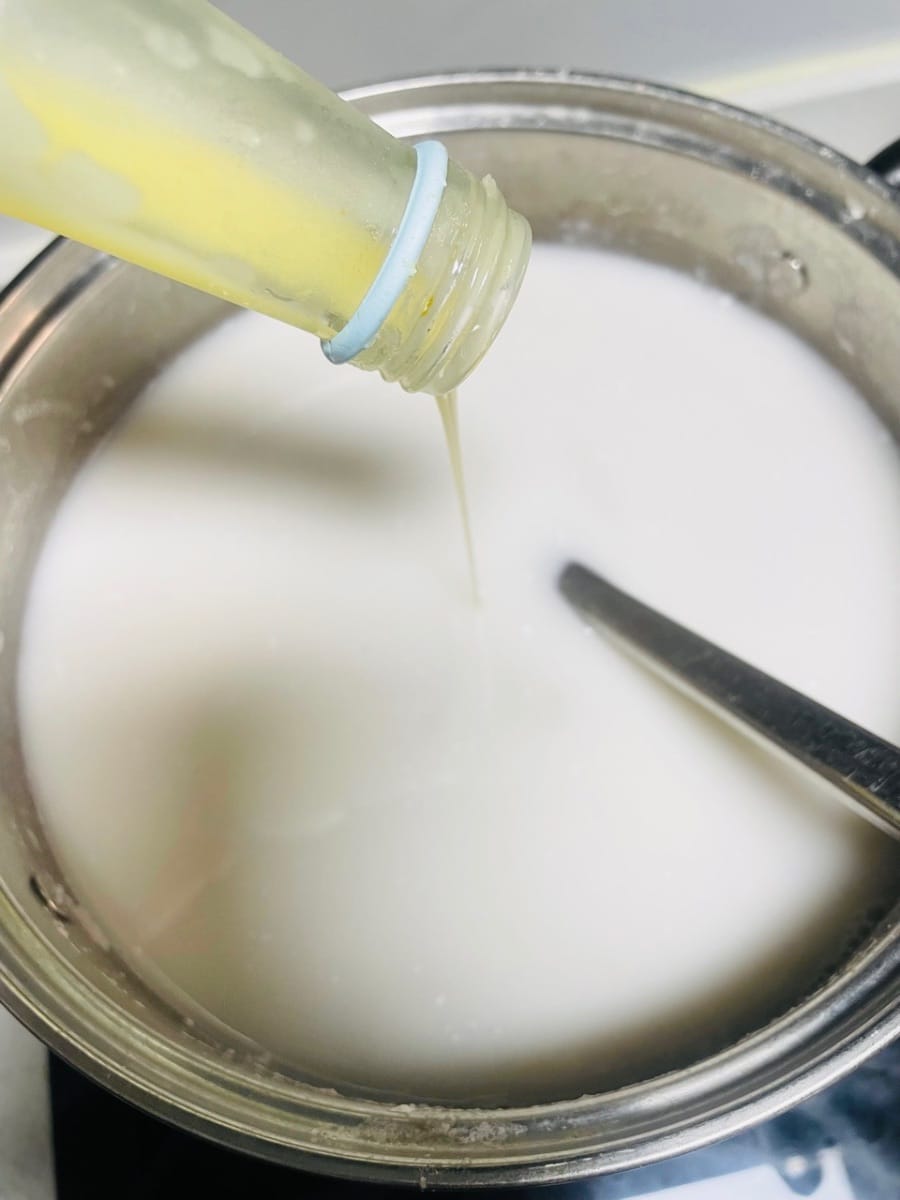
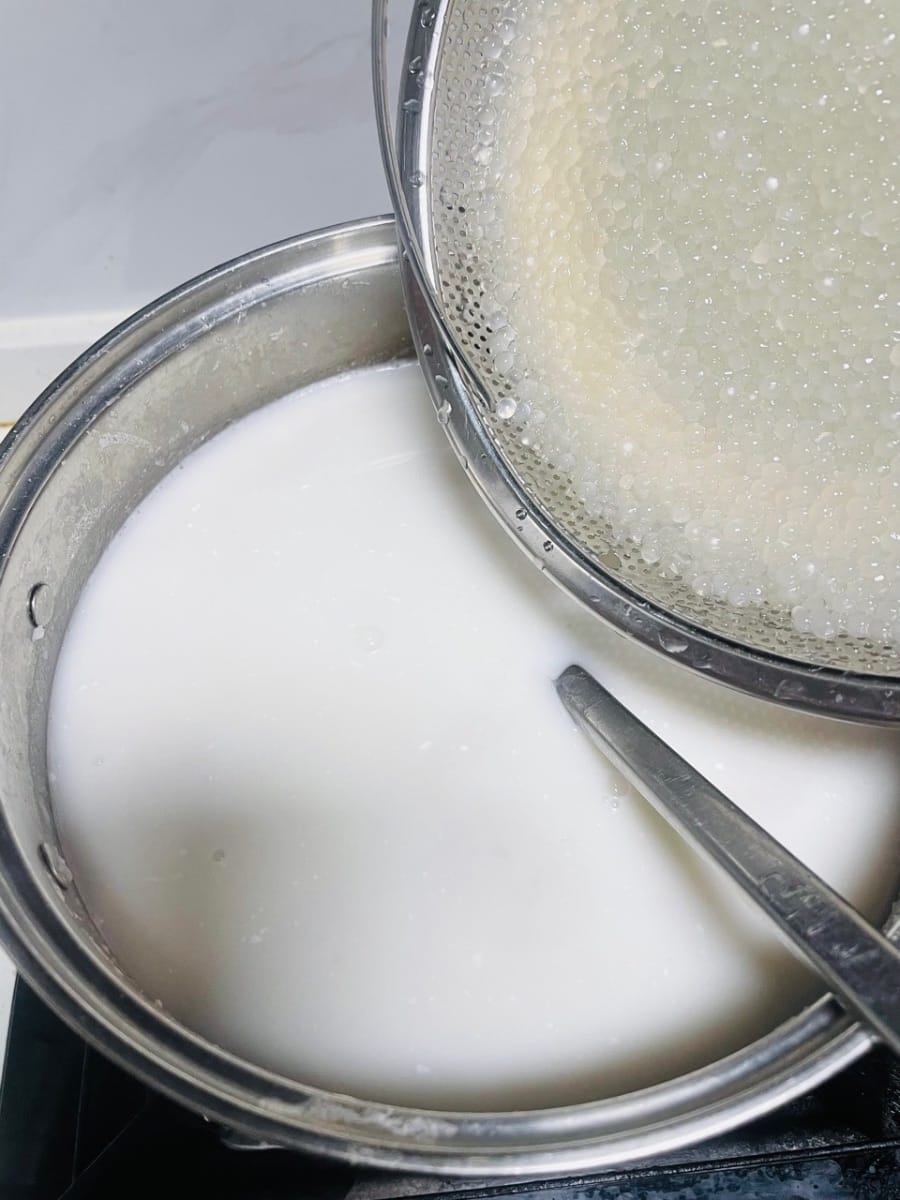
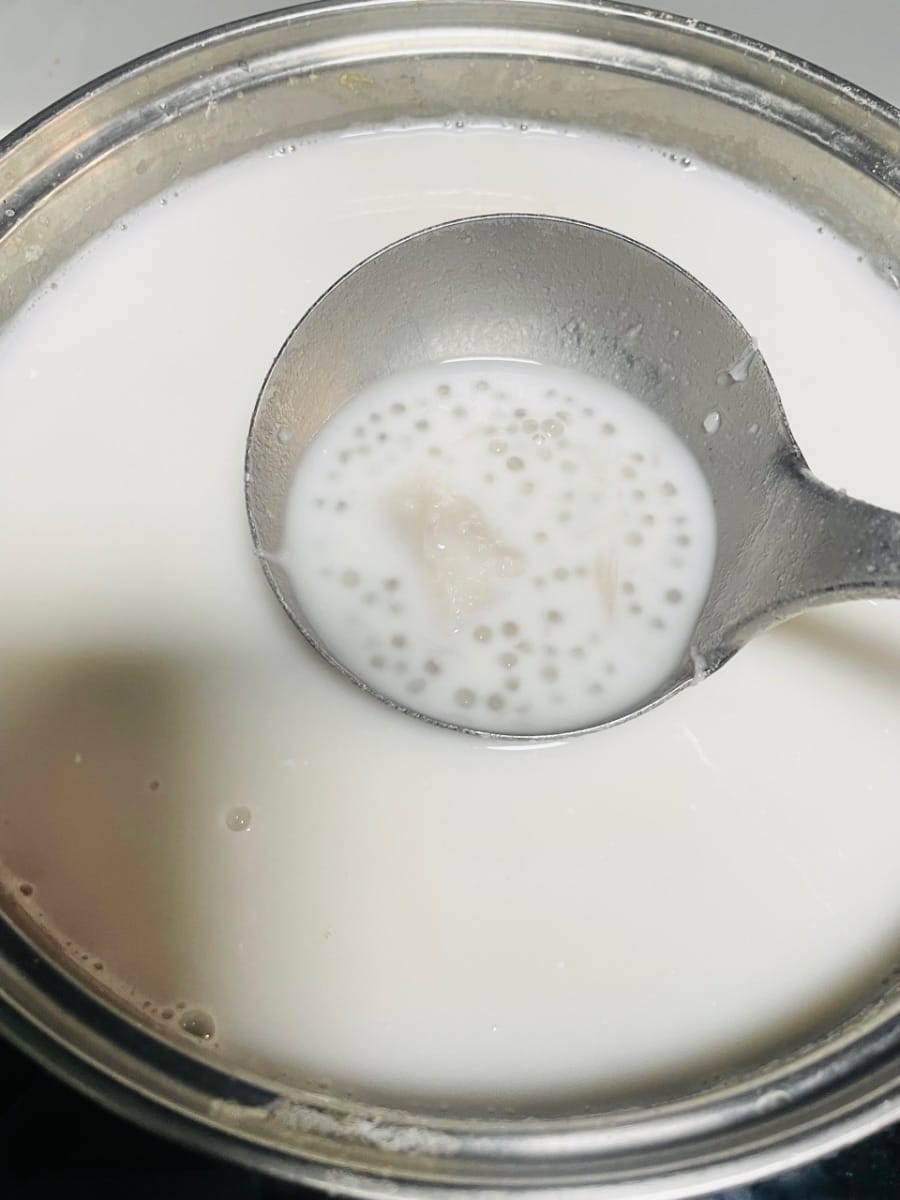
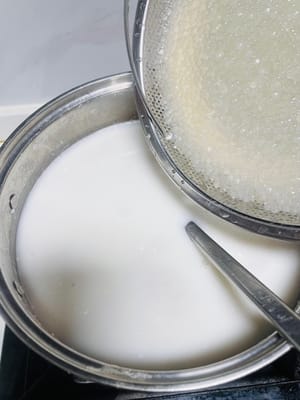
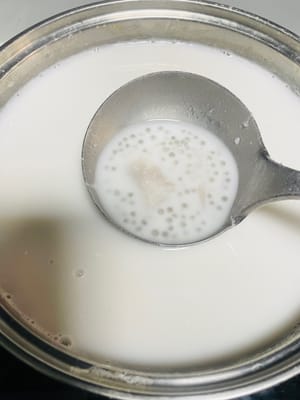
  4. Seasoning: Add rock sugar to the cooked taro and stir until dissolved. Then pour in coconut milk and condensed milk, taste for sweetness, and add more rock sugar as needed (the sweetness will decrease after cooling, so it can be slightly sweeter). Finally, add the drained sago pearls and simmer over low heat until just boiling, then turn off the heat. Adding the coconut milk and condensed milk last prevents the coconut flavor from evaporating due to prolonged boiling, and also avoids the condensed milk changing flavor due to high temperatures.
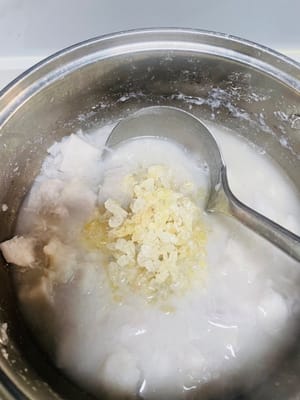
    Seasoning: Add rock sugar to the cooked taro and stir until dissolved. Then pour in coconut milk and condensed milk, taste for sweetness, and add more rock sugar as needed (the sweetness will decrease after cooling, so it can be slightly sweeter). Finally, add the drained sago pearls and simmer over low heat until just boiling, then turn off the heat.

Adding the coconut milk and condensed milk last prevents the coconut flavor from evaporating due to prolonged boiling, and also avoids the condensed milk changing flavor due to high temperatures. Seasoning: Add rock sugar to the cooked taro and stir until dissolved. Then pour in coconut milk and condensed milk, taste for sweetness, and add more rock sugar as needed (the sweetness will decrease after cooling, so it can be slightly sweeter). Finally, add the drained sago pearls and simmer over low heat until just boiling, then turn off the heat.
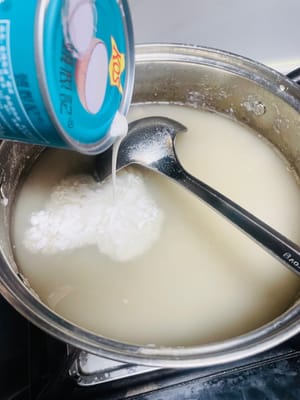
Adding the coconut milk and condensed milk last prevents the coconut flavor from evaporating due to prolonged boiling, and also avoids the condensed milk changing flavor due to high temperatures. Seasoning: Add rock sugar to the cooked taro and stir until dissolved. Then pour in coconut milk and condensed milk, taste for sweetness, and add more rock sugar as needed (the sweetness will decrease after cooling, so it can be slightly sweeter). Finally, add the drained sago pearls and simmer over low heat until just boiling, then turn off the heat.
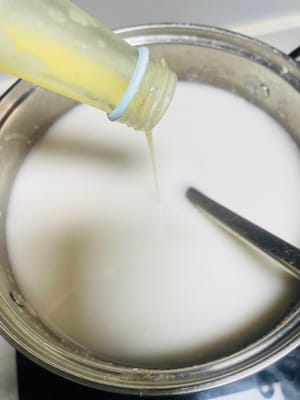
Adding the coconut milk and condensed milk last prevents the coconut flavor from evaporating due to prolonged boiling, and also avoids the condensed milk changing flavor due to high temperatures. Seasoning: Add rock sugar to the cooked taro and stir until dissolved. Then pour in coconut milk and condensed milk, taste for sweetness, and add more rock sugar as needed (the sweetness will decrease after cooling, so it can be slightly sweeter). Finally, add the drained sago pearls and simmer over low heat until just boiling, then turn off the heat.
Adding the coconut milk and condensed milk last prevents the coconut flavor from evaporating due to prolonged boiling, and also avoids the condensed milk changing flavor due to high temperatures. Seasoning: Add rock sugar to the cooked taro and stir until dissolved. Then pour in coconut milk and condensed milk, taste for sweetness, and add more rock sugar as needed (the sweetness will decrease after cooling, so it can be slightly sweeter). Finally, add the drained sago pearls and simmer over low heat until just boiling, then turn off the heat.
Adding the coconut milk and condensed milk last prevents the coconut flavor from evaporating due to prolonged boiling, and also avoids the condensed milk changing flavor due to high temperatures.
Languages
Taro-Kokosmilch-Sago-Pudding - Deutsch (German) version
Taro Coconut Milk Sago Pudding - English version
Pudín de sagú, leche de coco y taro - Española (Spanish) version
Pouding au sagou, au lait de coco et au taro - Français (French) version
Puding Sagu Talas Santan - Bahasa Indonesia (Indonesian) version
Budino di taro, latte di cocco e sago - Italiana (Italian) version
タロイモとココナッツミルクのサゴプリン - 日本語 (Japanese) version
타로 코코넛 밀크 사고 푸딩 - 한국인 (Korean) version
พุดดิ้งสาคูเผือกกะทิ - แบบไทย (Thai) version
綿芋椰漿西米露 - 香港繁體中文 (Traditional Chinese - Hong Kong) version