Easy 1000g water Recipes – Quick Meals Everyone Will Enjoy
Discover delicious and easy-to-make recipes using 1000g water. Perfect for busy weeknights and family dinners.
Recipes with 1000g water
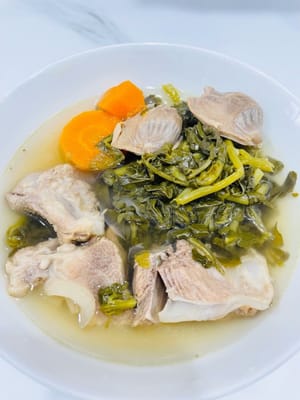
Watercress and Kidney Soup is a classic Cantonese soup. The salty aroma of the kidney stimulates the appetite and aids digestion, while also adding a richer flavor to the base. The combination of sweet and apricot kernels moistens the lungs and relieves coughs, without leaving a dry taste. The watercress, with its inherent sweetness, softens and dissolves in the broth, clearing heat, moistening the lungs, and promoting urination. This soup is refreshing and soothing, relieving both greasiness and dryness. No wonder Cantonese people love it!
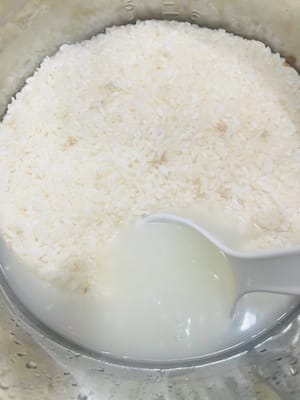
Jiuniang tastes sweet and mellow, with a soft texture, rich rice aroma and elegant wine aroma. It can be eaten in a variety of ways, both hot and cold, to meet the needs of different taste buds: Refreshing cold drink: Eat it after chilling, it is refreshing and greasy, and it is an excellent choice for cooling off in summer. Cold eating: My favorite caramel ice powder Jiuniang glutinous rice balls, ice milk Jiuniang, ice Jiuniang coffee, etc., I love the feeling of slight smoke~~~ Hot food: The heated Jiuniang is warm and nourishing, suitable for eating in cold weather or when you need to warm up (such as brown sugar Jiuniang eggs, Jiuniang dumplings, etc.). Storage: It is recommended to store it in the refrigerator, and the shelf life can reach 1 month. In the low temperature environment of the refrigerator, Jiuniang will continue to ferment slowly. After being stored for more than 1 month, the wine flavor will be more rich and mellow. At this time, Jiuniang is especially suitable for cooking with eggs and glutinous rice balls. The dessert cooked out is full of wine aroma, rich taste, warm body and stomach. Drinking taboos: Although fermented glutinous rice is delicious, it contains a certain amount of alcohol. Therefore, pregnant women, breastfeeding women, people who are allergic to alcohol and children should not consume it.
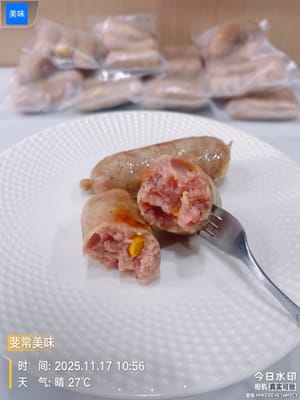
Freshly baked homemade sausages, glistening with oil and emitting a tantalizing aroma, waft towards your nose. First, bite into the thin, resilient casing; a satisfying "squeak" releases the juicy, meaty filling. Inside, tender meat chunks offer a chewy texture, while the fatty bits create a soft, creamy sensation on the tongue. The version mixed with corn kernels offers a sweet flavor that blends perfectly with the savory meat; the version with glutinous rice adds a sticky, chewy texture, each bite bursting with flavor. The savory taste is subtly sweet, offering the springy texture of meat and the soft aroma of grains. Oily yet not greasy, the warm aroma when eaten hot is irresistible, making you want to eat several. Even when cold, the firm, meaty flavor remains, becoming more delicious with each chew. This delicious flavor is not only tempting, but also gives you peace of mind—it's a simple, home-style recipe without any "technological or grueling" additives. The meat is fresh, carefully selected from the best cuts, not some scraps of meat of dubious origin. It's pure, unadulterated flavor from start to finish. It's satisfying and delicious, perfect for breakfast with porridge or sandwiches, or a guilt-free snack. It's comforting and satisfying no matter when you eat it. To recreate this delicious and reassuring flavor, remember to thoroughly understand the final steps: separate the lean and fatty parts of the meat, mix the filling until it stands upright on chopsticks, soak the sausage casings in alcohol to remove any unpleasant odor... Follow these details, and you're 100% guaranteed to replicate this wonderful flavor.
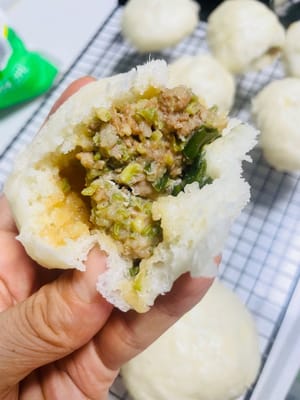
Because of the large amount of water, the skin is very soft and simple, suitable for novices who don't know how to make steamed buns (no need to knead the dough or cut the dough, next time you can make steamed buns with pasta as the basis). My kids eat steamed buns (steamed buns, bread) and cakes for breakfast. It's the most reassuring to make it yourself, but it's a bit laborious. Today, I saw that the beans were quite fresh, so I immediately bought 2 pounds of pork and made steamed buns.
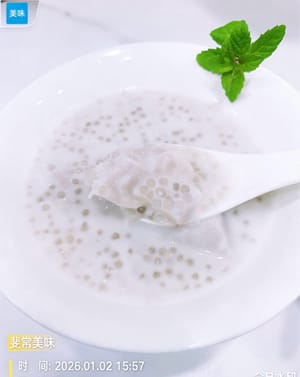
Round, translucent sago pearls float in a milky white coconut milk base, with soft, powdery taro chunks nestled within. No fancy seasonings, just pure coconut and taro aromas—the simple, home-style flavor is the most appealing! The sago pearls are smooth and chewy, the taro is stewed until soft and melts in your mouth, the sweetness of the coconut milk and the glutinous aroma of the taro blending perfectly. Best of all, it's a low-calorie version—delicious and guilt-free. Chilled, it's refreshingly sweet and cleansing; warm, it's smooth, comforting, and fragrant.