Juicy Semi-Fermented Dough Soup Dumplings
Juicy Semi-Fermented Dough Soup Dumplings

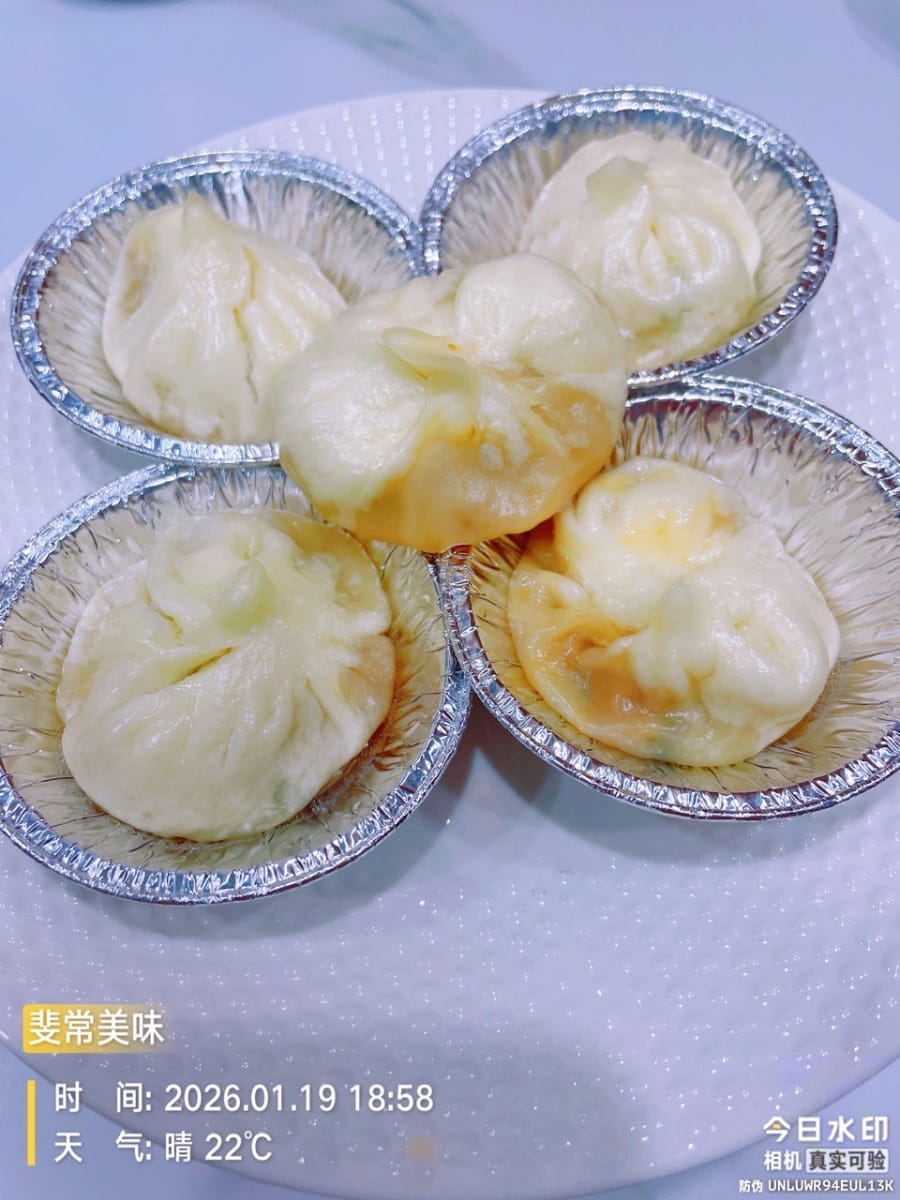
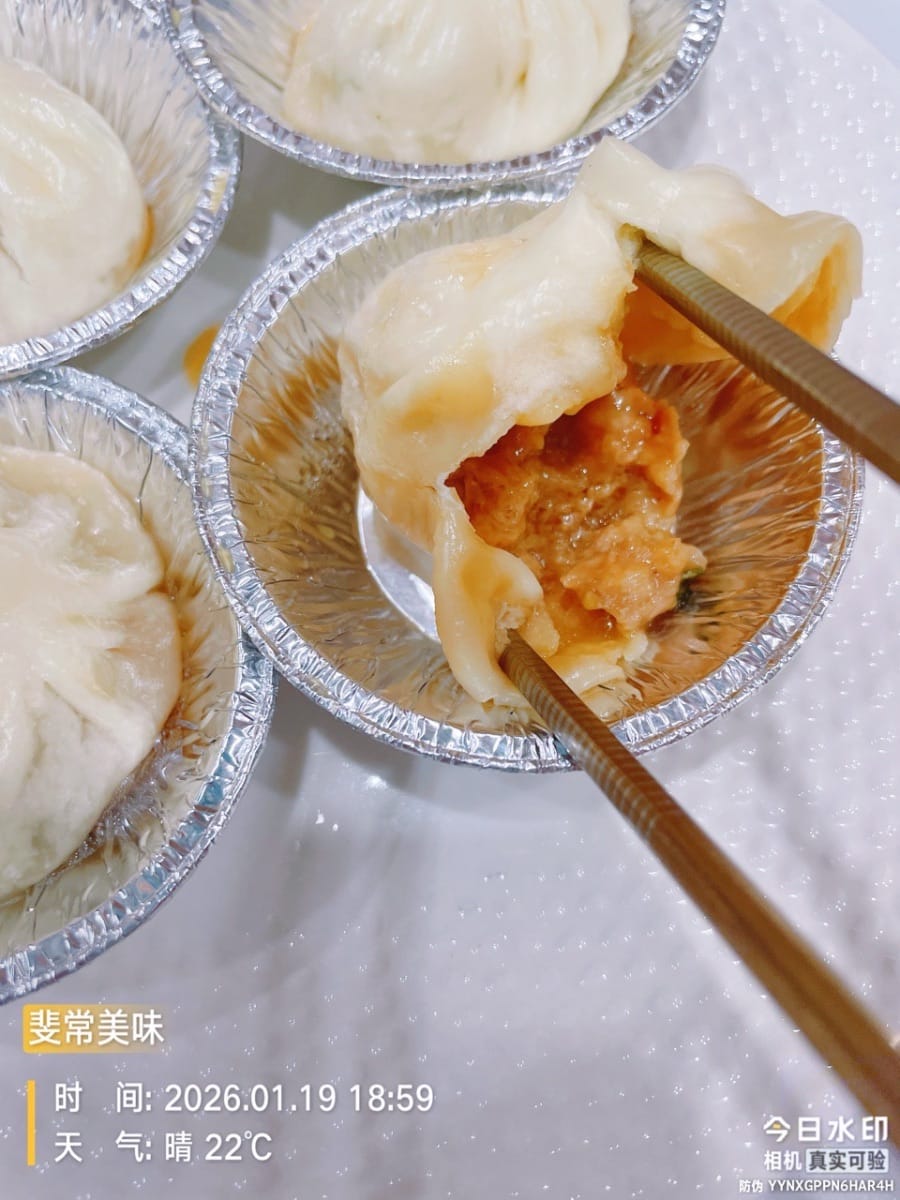
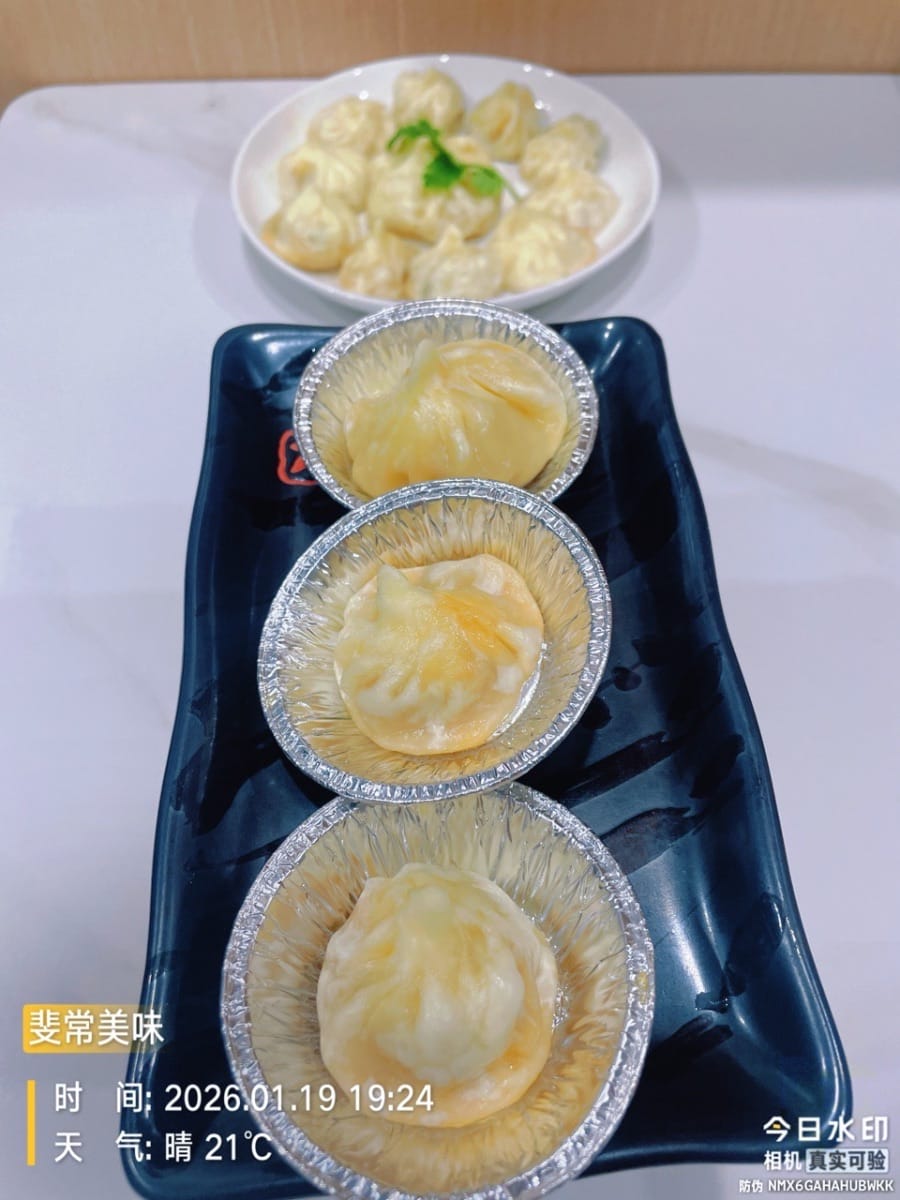
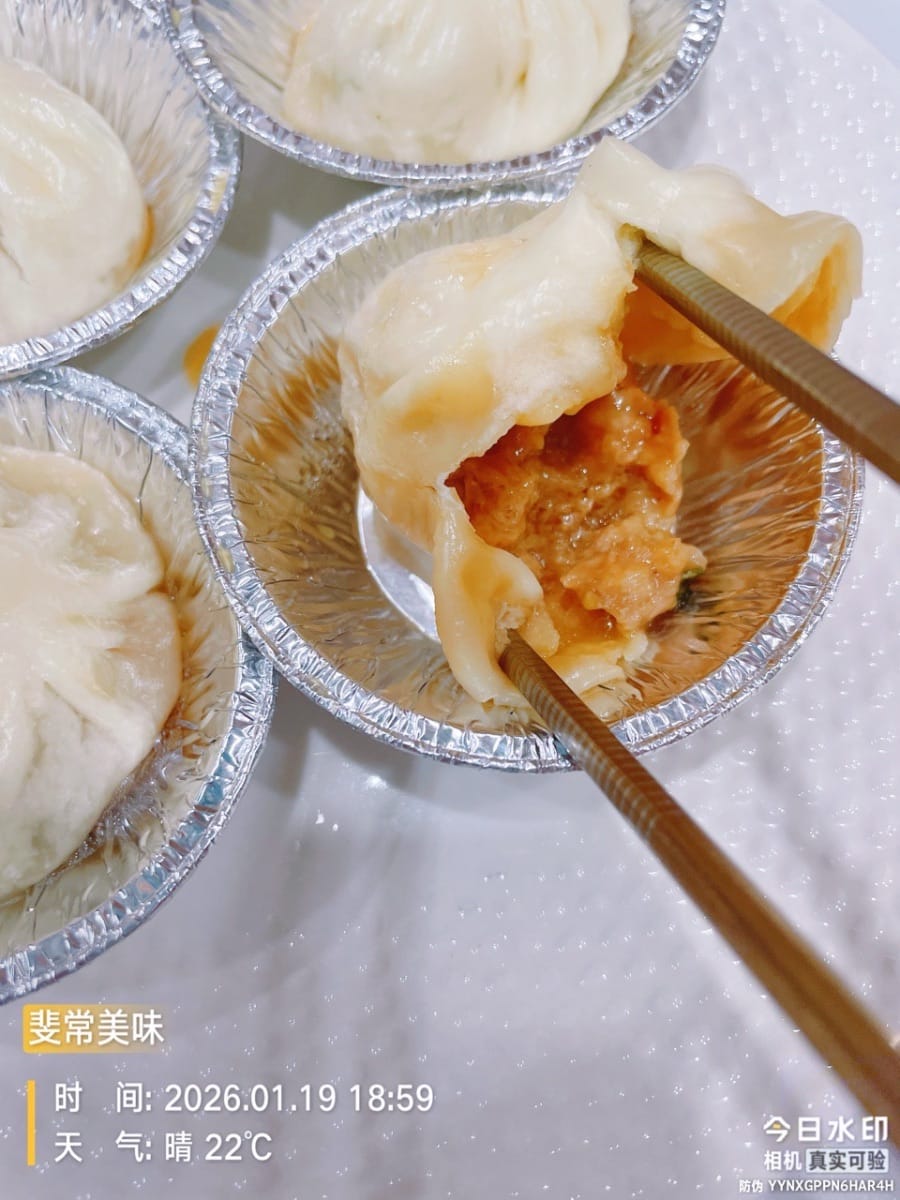
Homemade soup dumplings are so delicious! This pot of freshly steamed "juicy little bombs" are all soft and fluffy little clouds. Made with a semi-fermented dough recipe, the dough has a glossy sheen and stays soft and fluffy even after cooling down and reheating. Pick one up and gently bite into it, and the meat juice bursts in your mouth, coating the chewy, simple Northeastern-style aspic—it's so fresh it'll make your eyes squint! This is a versatile, basic filling, savory and flavorful with a hint of carrot sweetness; one bite is pure bliss. Breaking it open reveals glistening juice coating the tender pink meat filling—it's mouthwatering just to look at. From the aspic to the semi-fermented dough to the versatile meat filling, all the techniques are in this recipe. Save it and recreate this bursting joy anytime!

Ingredients

Steps

  1. Carrot Skin Jelly (The Secret to Making Soup)
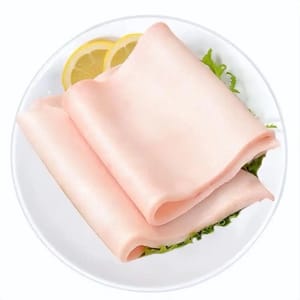
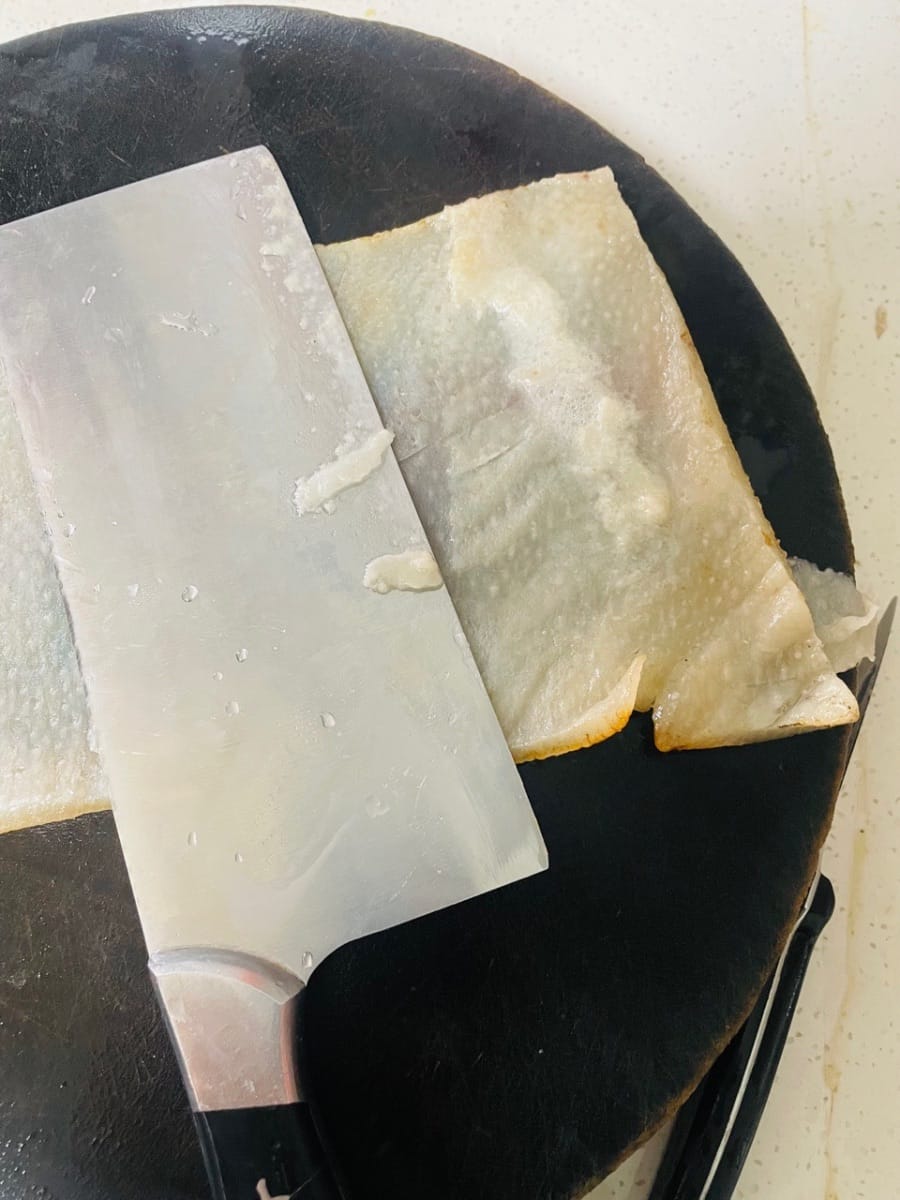
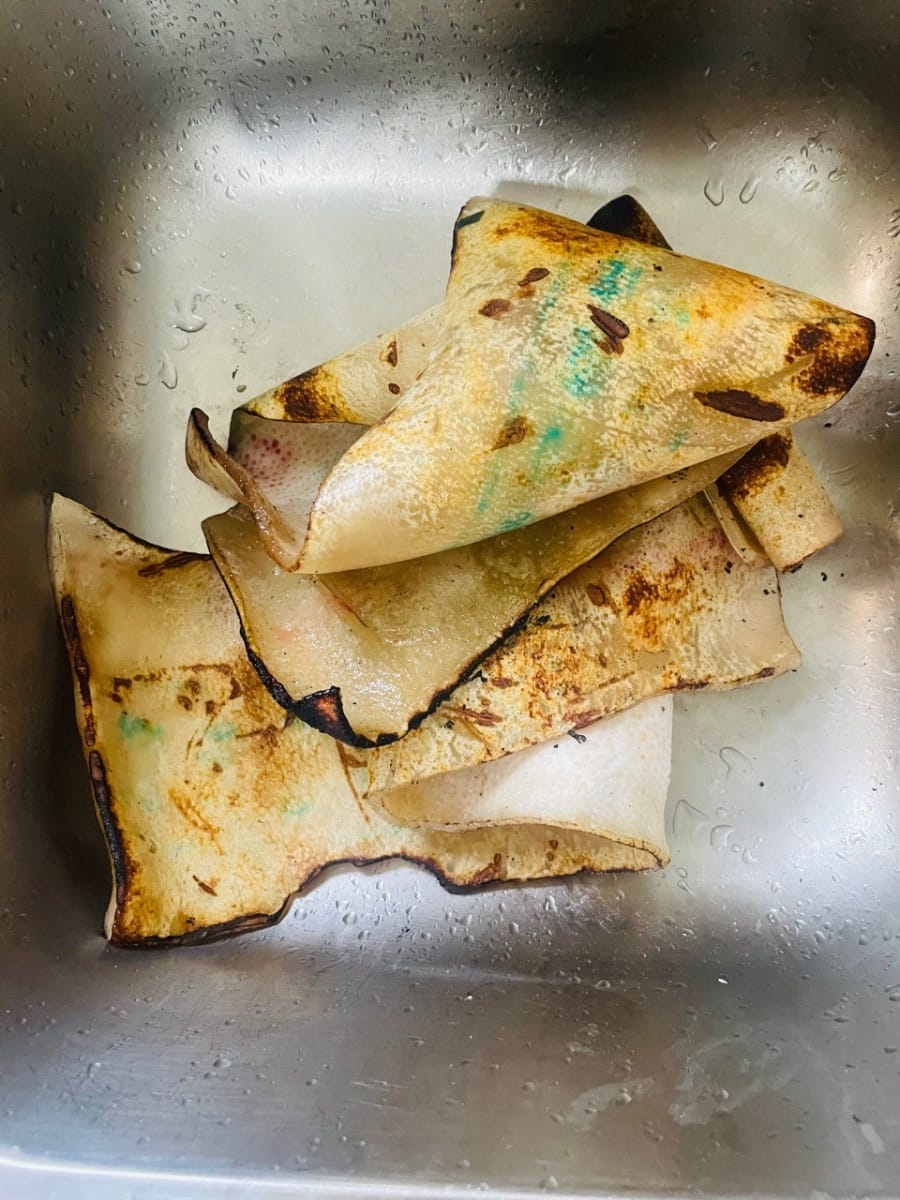
  2. First, clean the hair off the pig skin. If you can get the butcher to do it for you, don't do it yourself! If the butcher can't handle it, you can sear it yourself using a gas stove or by searing it in a hot pan. Friendly reminder: Don't touch the pig skin directly, be careful not to burn yourself! Soak it in warm water for 10 minutes, then use a knife to scrape off any charred parts.
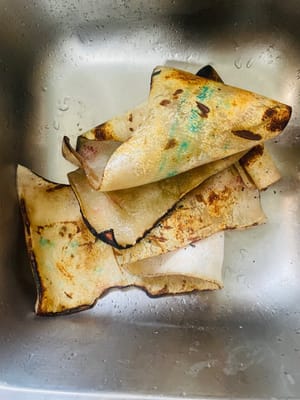
    First, clean the hair off the pig skin. If you can get the butcher to do it for you, don't do it yourself! If the butcher can't handle it, you can sear it yourself using a gas stove or by searing it in a hot pan. Friendly reminder: Don't touch the pig skin directly, be careful not to burn yourself! Soak it in warm water for 10 minutes, then use a knife to scrape off any charred parts.
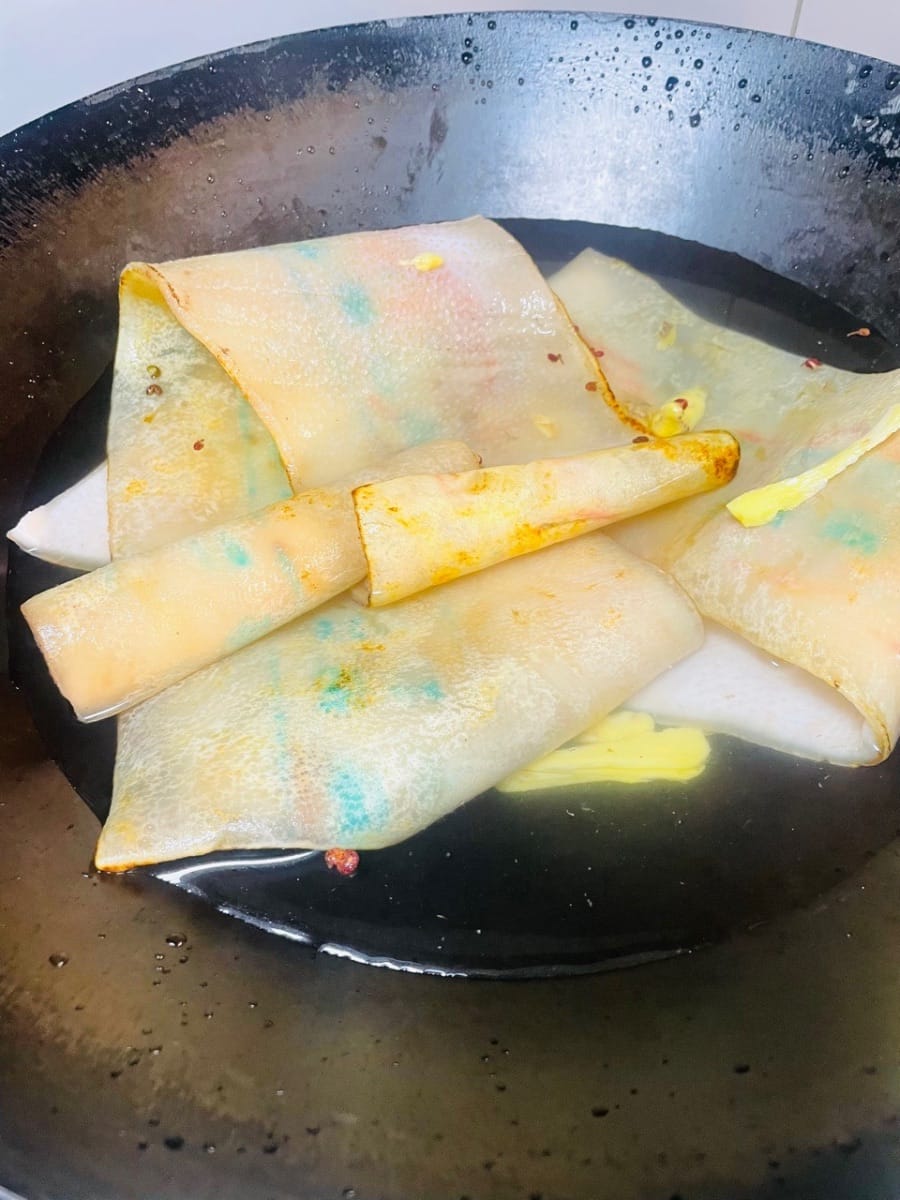
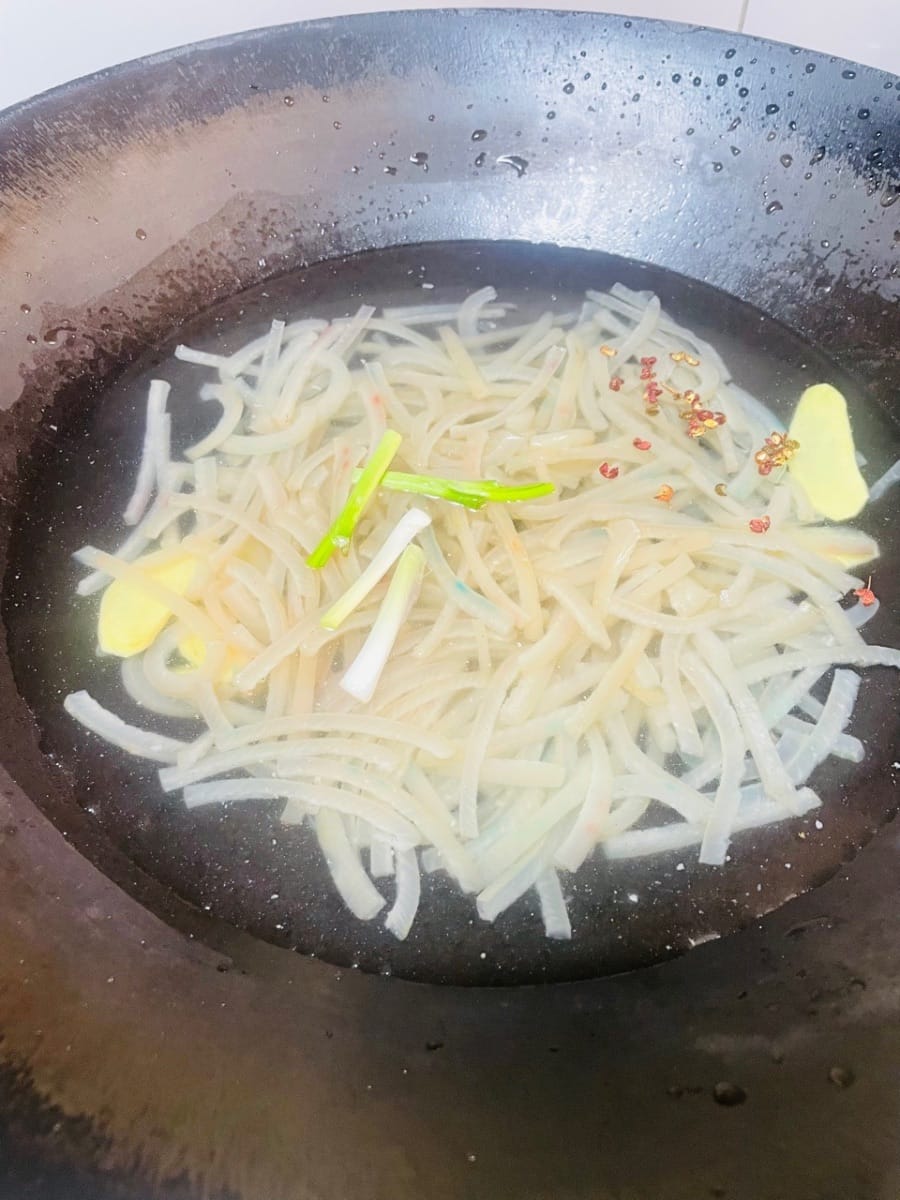
  3. Put the pork skin, scallions, and cooking wine into a pot of cold water. For a more refined touch, you can also sprinkle in some peppercorns. After the water boils, cook for 10 minutes to give the pork skin a deep cleaning spa treatment.

    Put the pork skin, scallions, and cooking wine into a pot of cold water. For a more refined touch, you can also sprinkle in some peppercorns. After the water boils, cook for 10 minutes to give the pork skin a deep cleaning spa treatment.
  4. Take it out and rinse it with warm water. The key is to scrape off all the fat on the inside of the pork skin! You can't skip this step, otherwise the finished aspic will be very greasy.
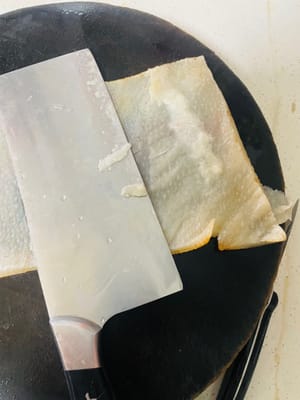
    Take it out and rinse it with warm water. The key is to scrape off all the fat on the inside of the pork skin! You can't skip this step, otherwise the finished aspic will be very greasy. Take it out and rinse it with warm water. The key is to scrape off all the fat on the inside of the pork skin! You can't skip this step, otherwise the finished aspic will be very greasy. Take it out and rinse it with warm water. The key is to scrape off all the fat on the inside of the pork skin! You can't skip this step, otherwise the finished aspic will be very greasy.
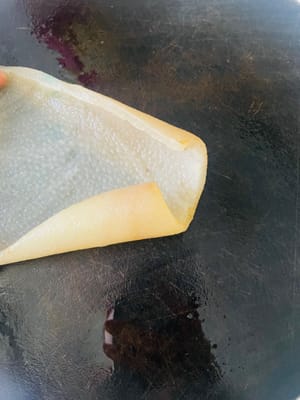
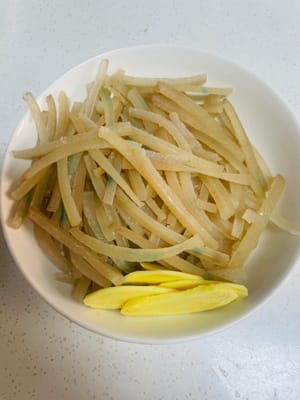
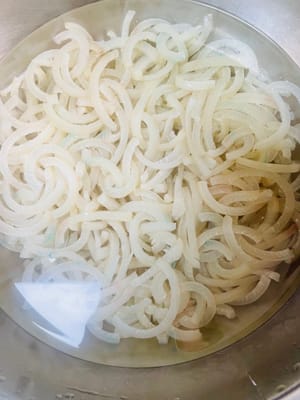
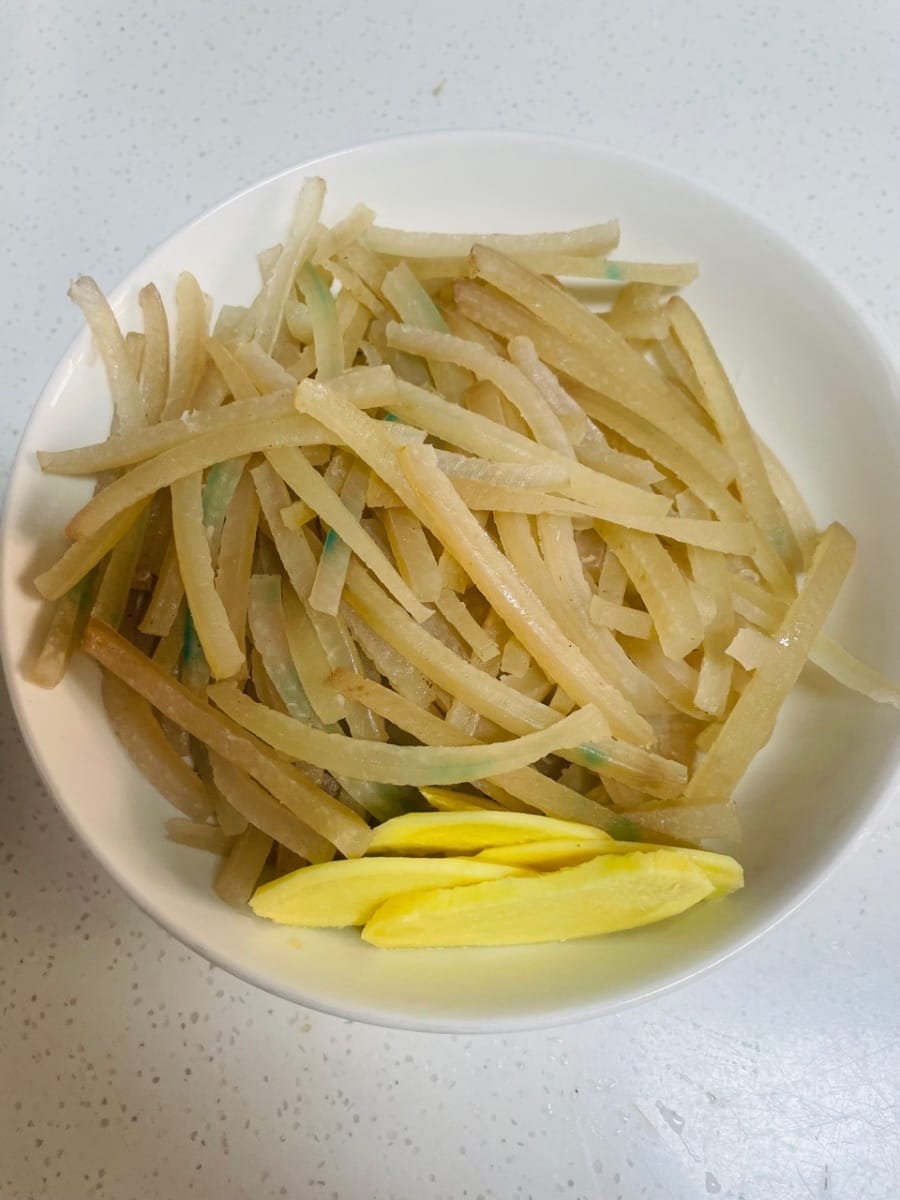
  5. Cut the prepared pork skin into long strips, blanch it again in cold water for 3 minutes, which is equivalent to "re-making" the pork skin to remove the last bit of fishy smell and oil.
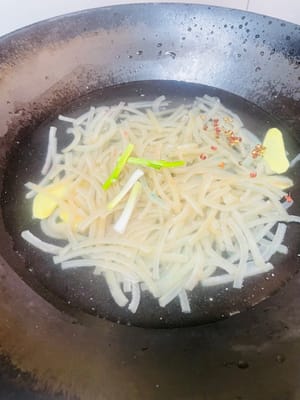
    Cut the prepared pork skin into long strips, blanch it again in cold water for 3 minutes, which is equivalent to
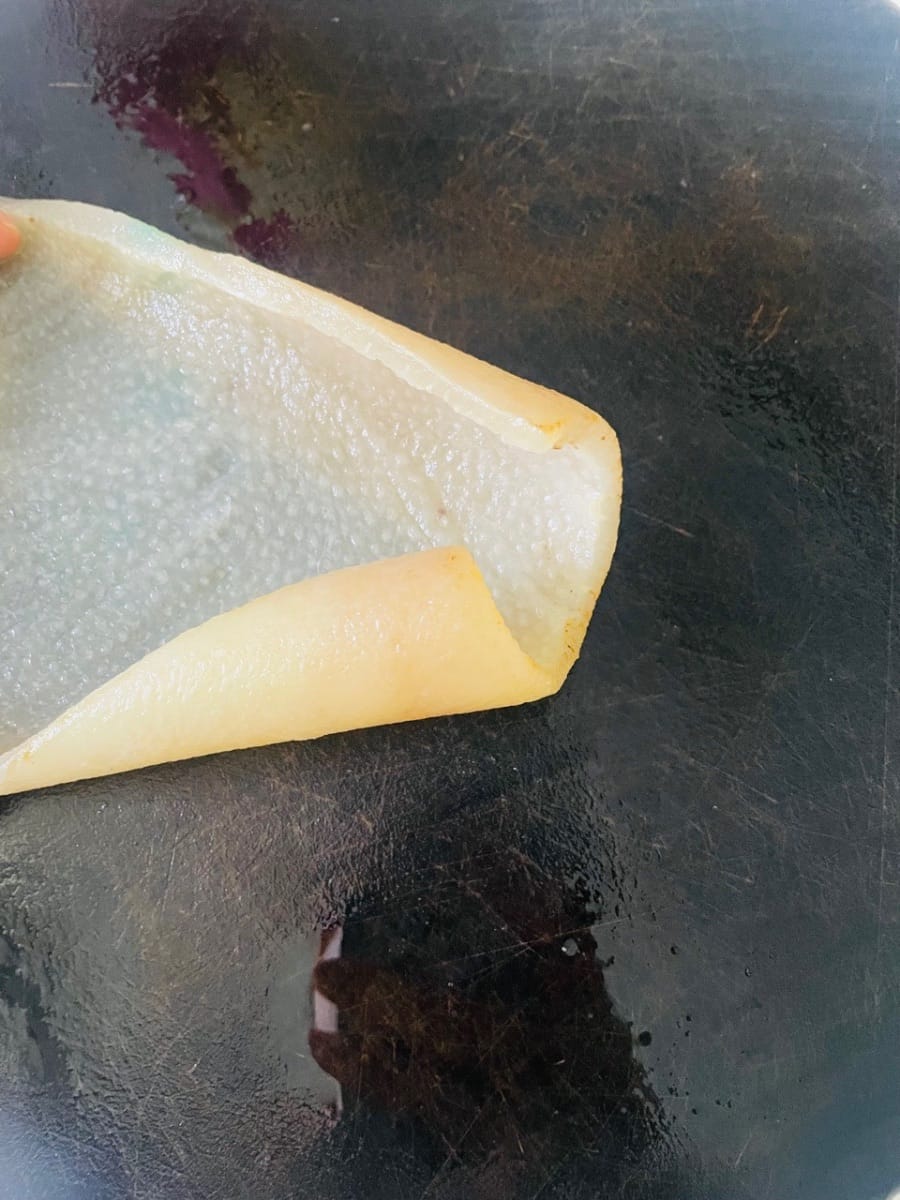
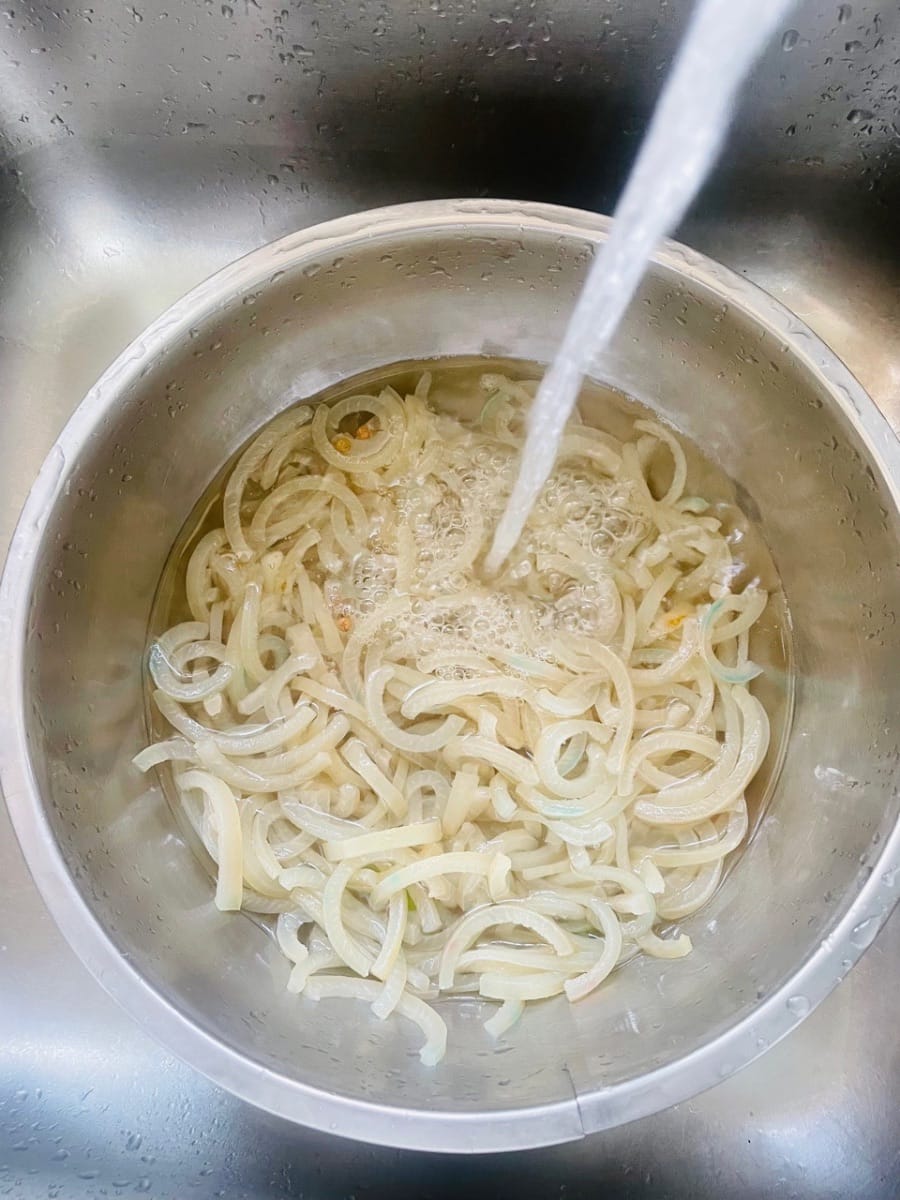
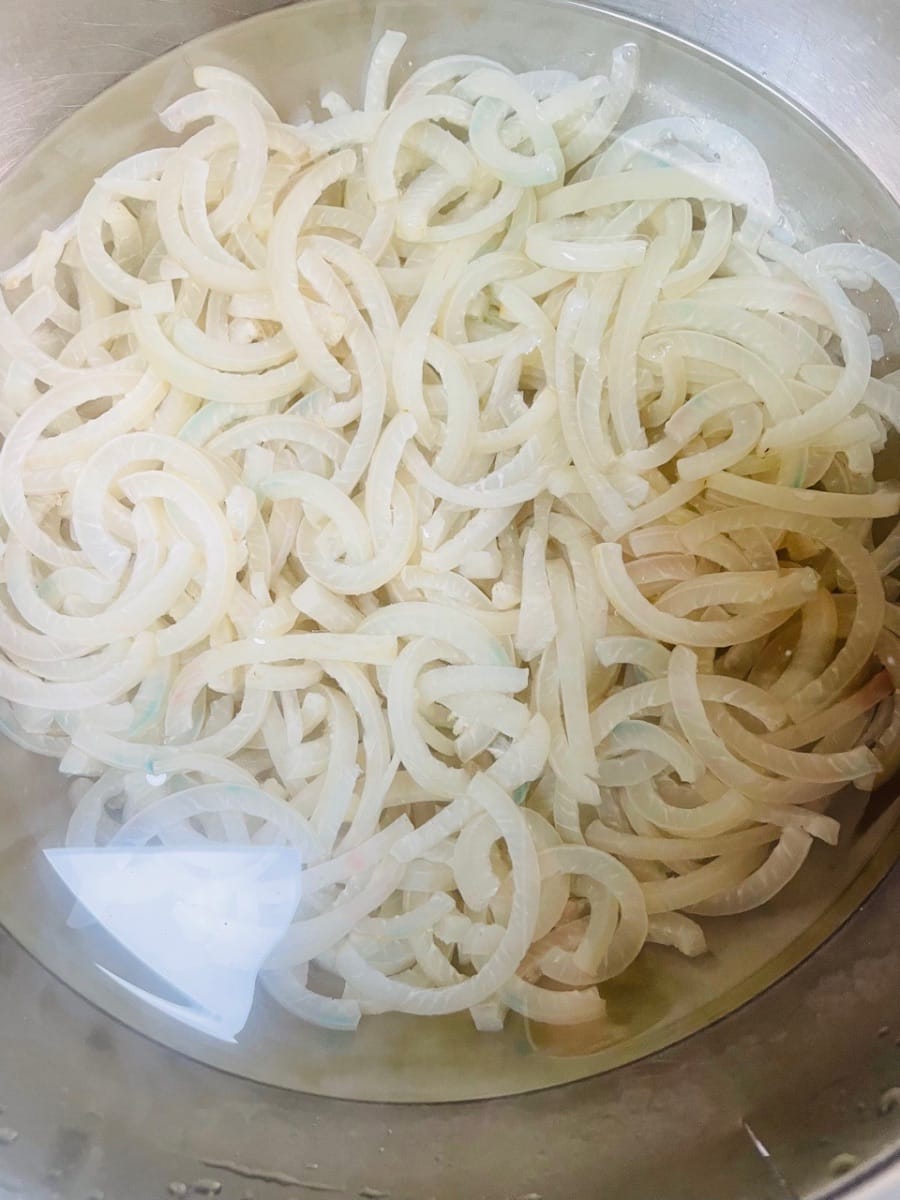
  6. Take it out and wash it repeatedly with boiling water five or six times until the water used to wash the pig skin becomes clear, just like giving the pig skin a "deep cleansing mask".
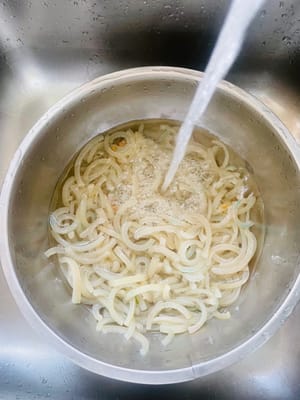
    Take it out and wash it repeatedly with boiling water five or six times until the water used to wash the pig skin becomes clear, just like giving the pig skin a Take it out and wash it repeatedly with boiling water five or six times until the water used to wash the pig skin becomes clear, just like giving the pig skin a
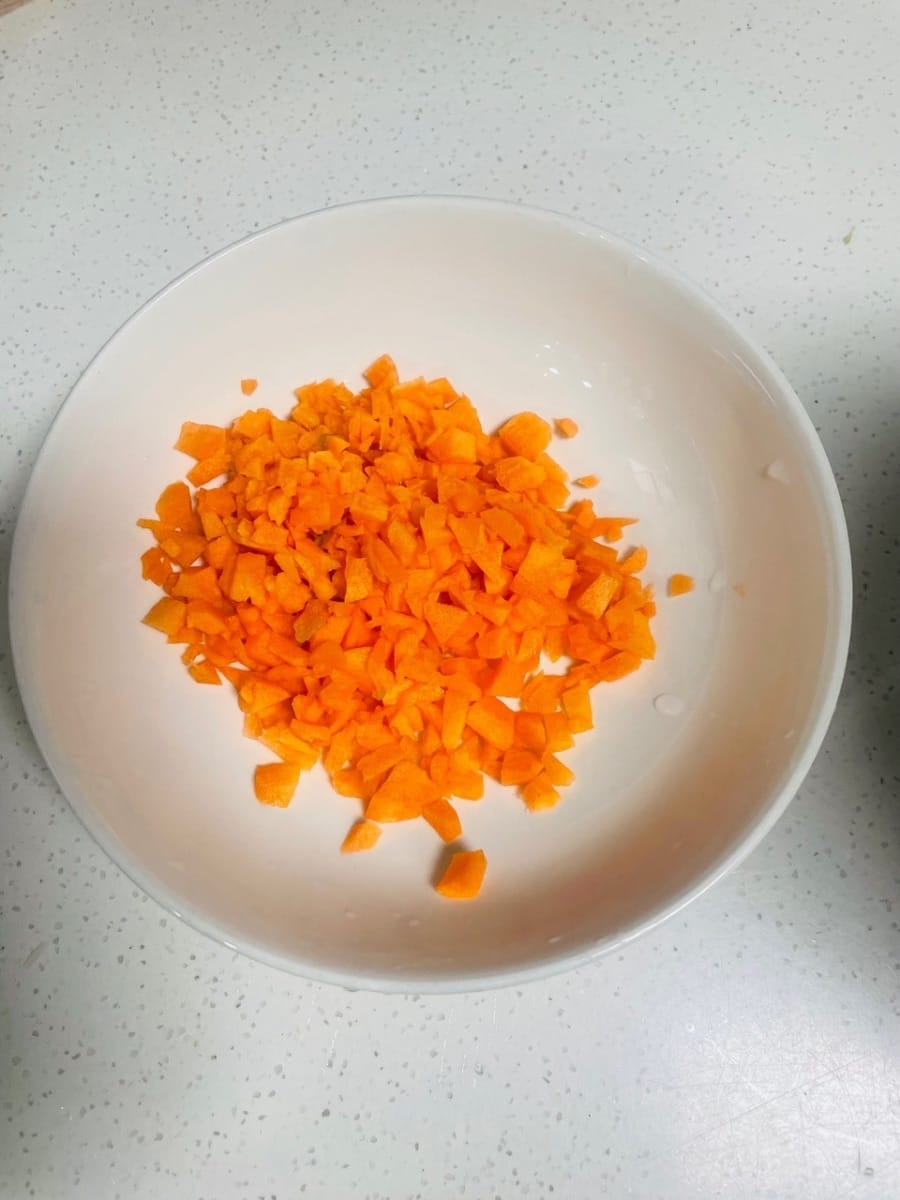
  7. Finely chop the carrots and set aside. Adding them is mainly for supplementing vitamins and also makes the soup look nicer; you can omit them if you prefer.
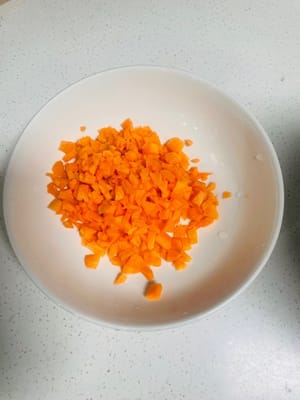
    Finely chop the carrots and set aside. Adding them is mainly for supplementing vitamins and also makes the soup look nicer; you can omit them if you prefer.
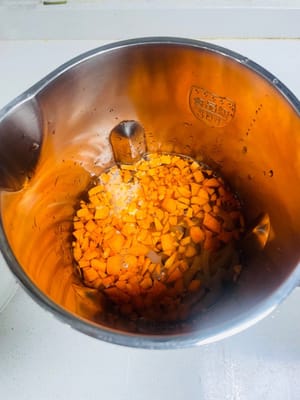
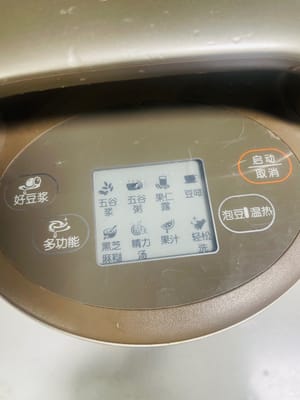
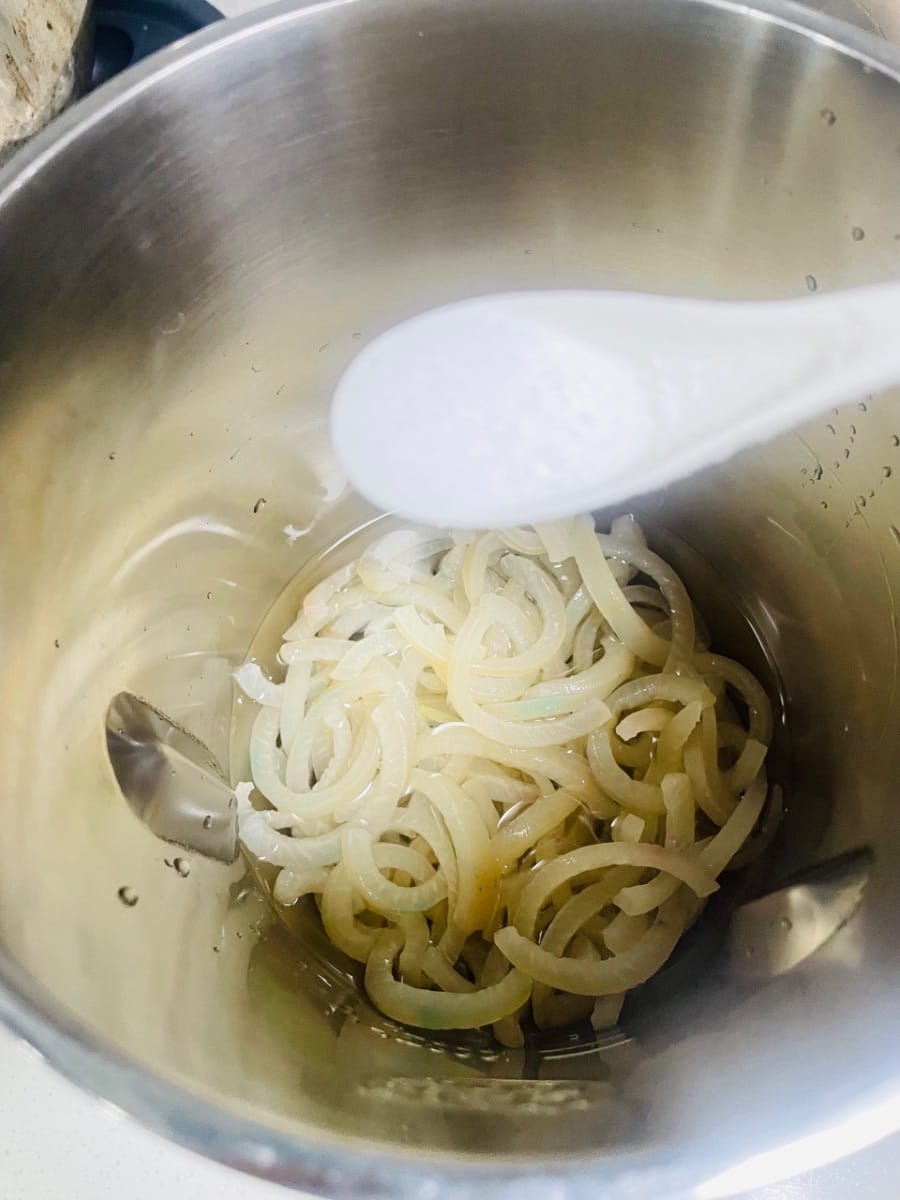
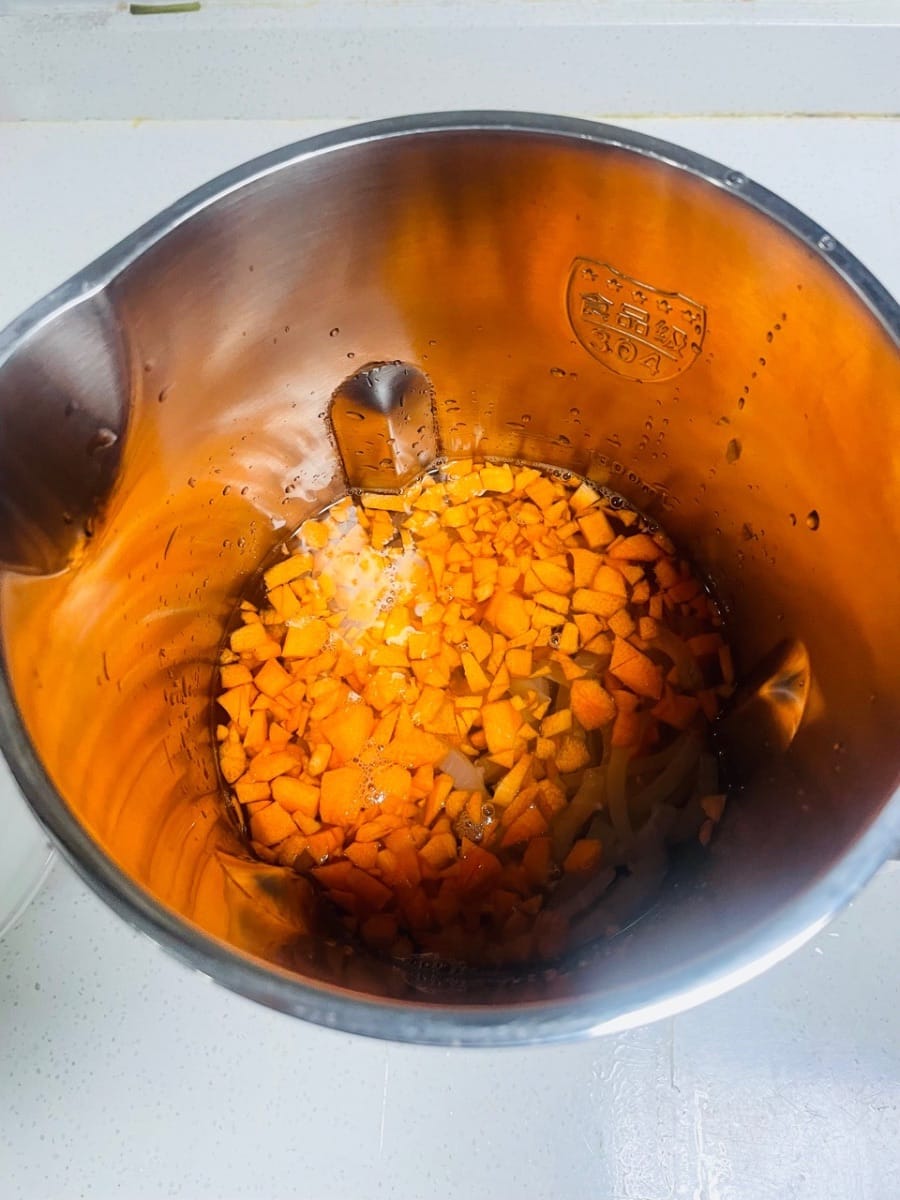
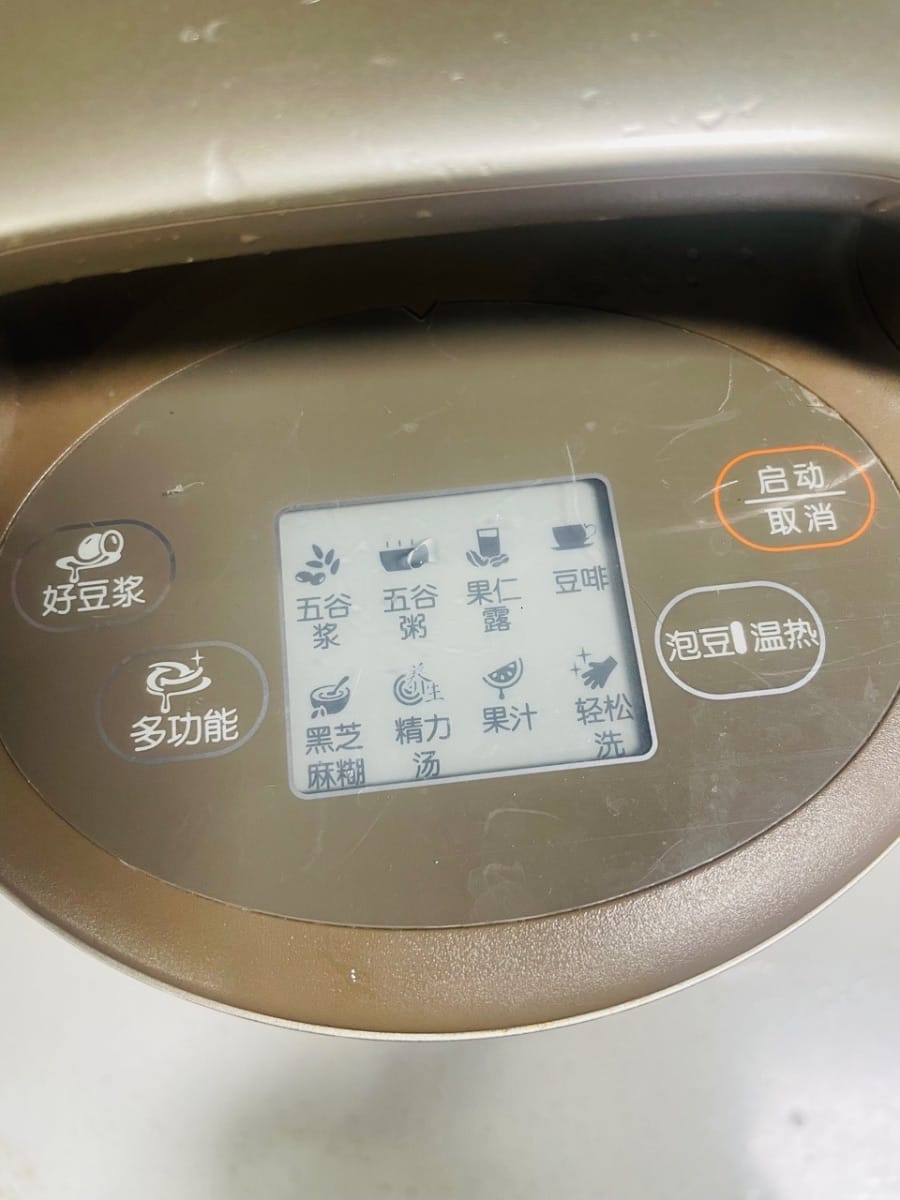
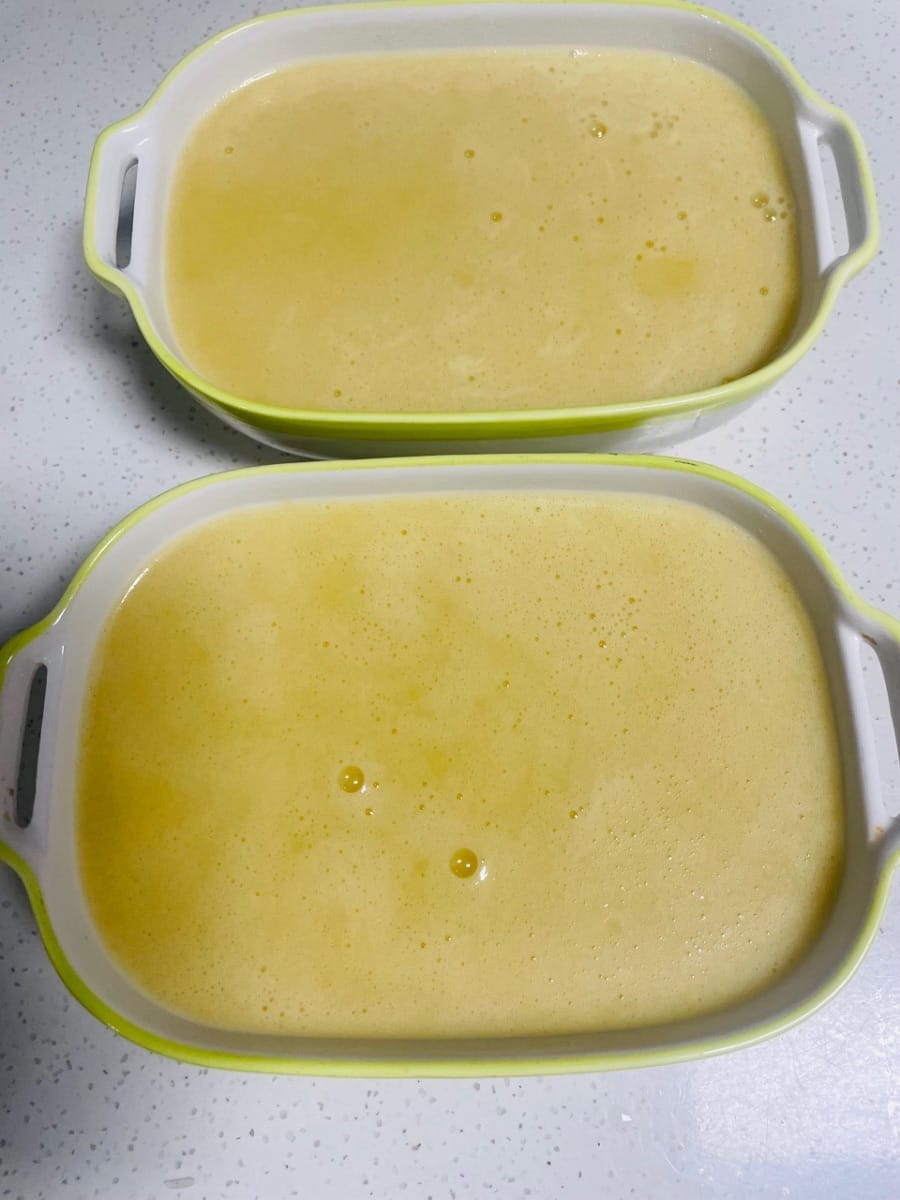
  8. Put the cleaned pork skin into a food processor/soy milk maker, add a small spoonful of salt, and then pour in the chopped carrots. Select the "soy milk/rice paste" mode and let the machine help you blend the pork skin into a smooth paste.
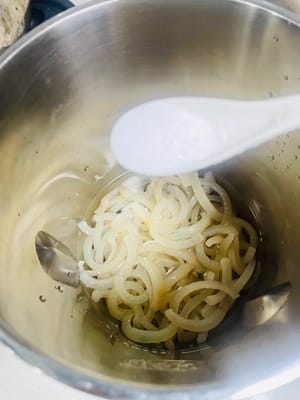
    Put the cleaned pork skin into a food processor/soy milk maker, add a small spoonful of salt, and then pour in the chopped carrots. Select the Put the cleaned pork skin into a food processor/soy milk maker, add a small spoonful of salt, and then pour in the chopped carrots. Select the Put the cleaned pork skin into a food processor/soy milk maker, add a small spoonful of salt, and then pour in the chopped carrots. Select the
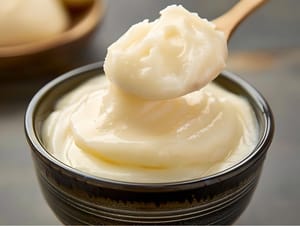
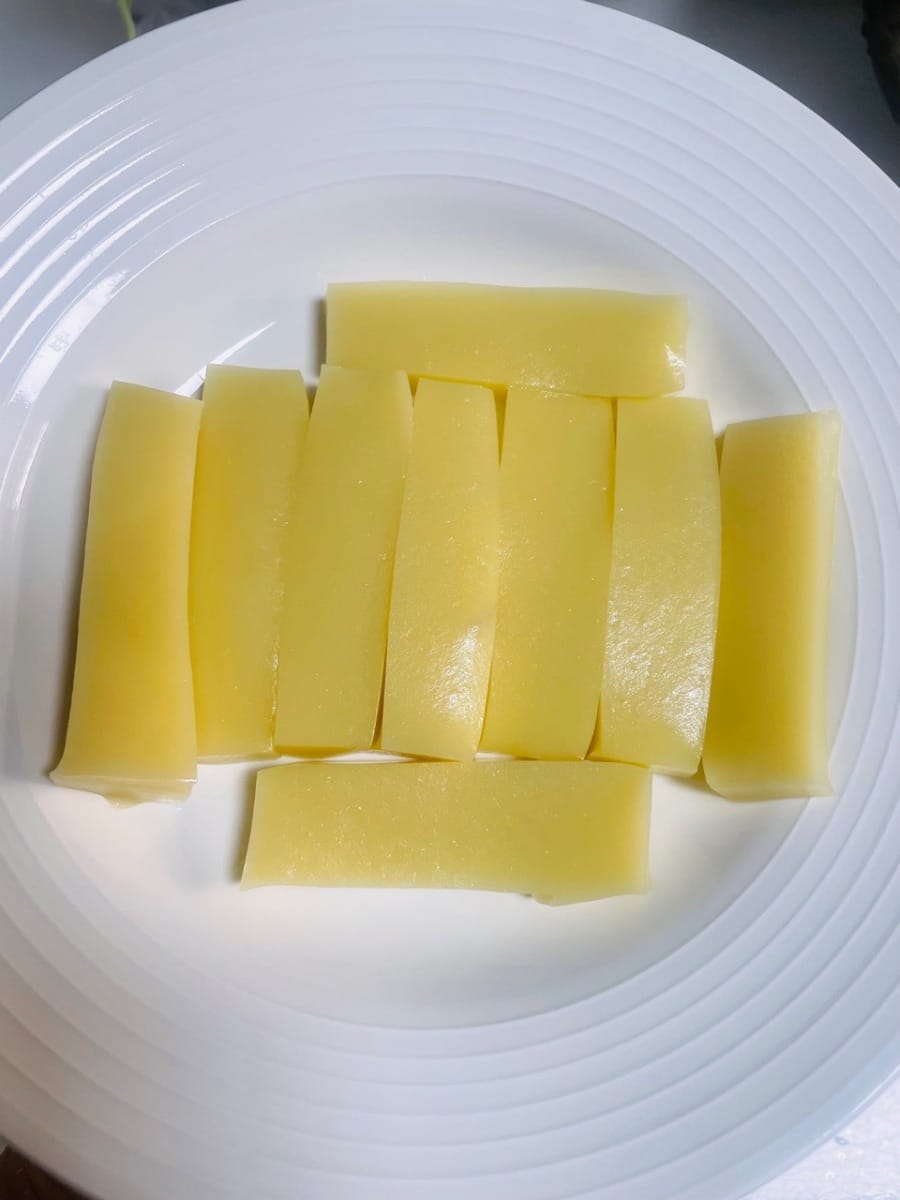
  9. Pour the beaten aspic mixture into molds, let it cool, and then freeze for at least 4 hours before unmolding. After unmolding, slice it thinly, and you have a bouncy and refreshing simple version of Northeastern-style aspic! If you're only making this aspic, you can replace the carrots with any color ingredients you like for maximum visual appeal and nutrition!
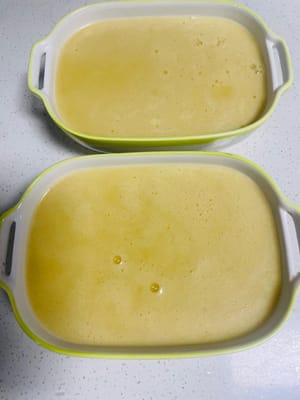
    Pour the beaten aspic mixture into molds, let it cool, and then freeze for at least 4 hours before unmolding. After unmolding, slice it thinly, and you have a bouncy and refreshing simple version of Northeastern-style aspic! If you're only making this aspic, you can replace the carrots with any color ingredients you like for maximum visual appeal and nutrition! Pour the beaten aspic mixture into molds, let it cool, and then freeze for at least 4 hours before unmolding. After unmolding, slice it thinly, and you have a bouncy and refreshing simple version of Northeastern-style aspic! If you're only making this aspic, you can replace the carrots with any color ingredients you like for maximum visual appeal and nutrition!
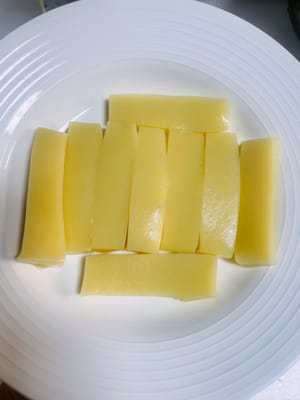
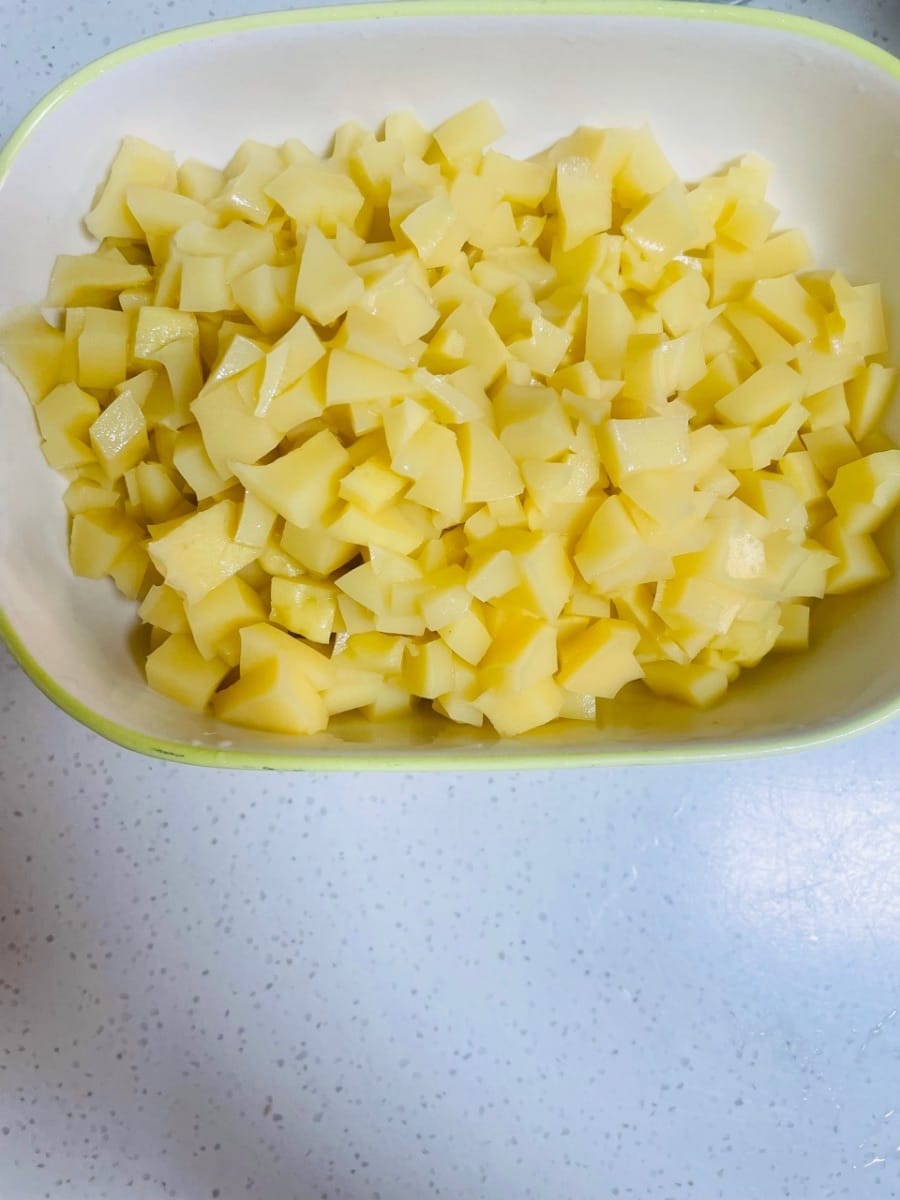
  10. After freezing and unmolding, cut into small pieces. This is the soul of the soup dumplings' bursting juice!
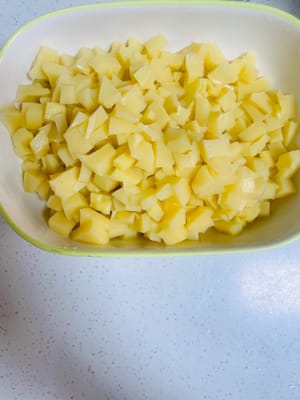
    After freezing and unmolding, cut into small pieces. This is the soul of the soup dumplings' bursting juice!
  11. All-purpose soup-filled meat filling (suitable for dumplings and buns)
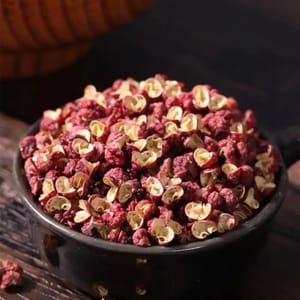
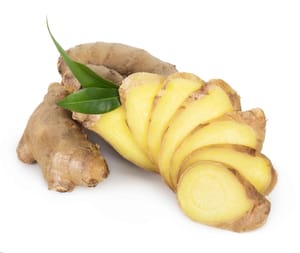
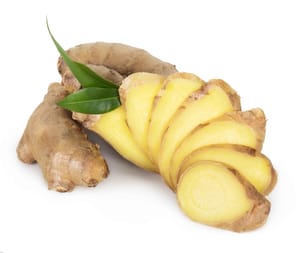
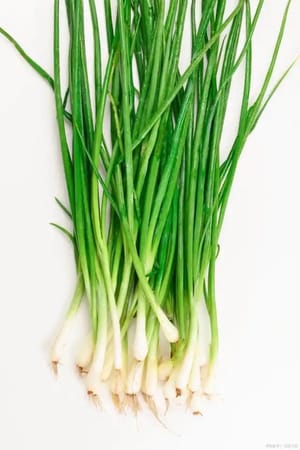
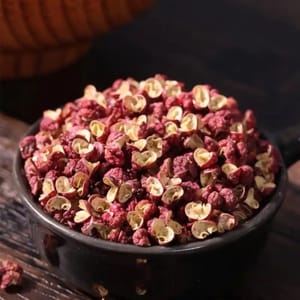
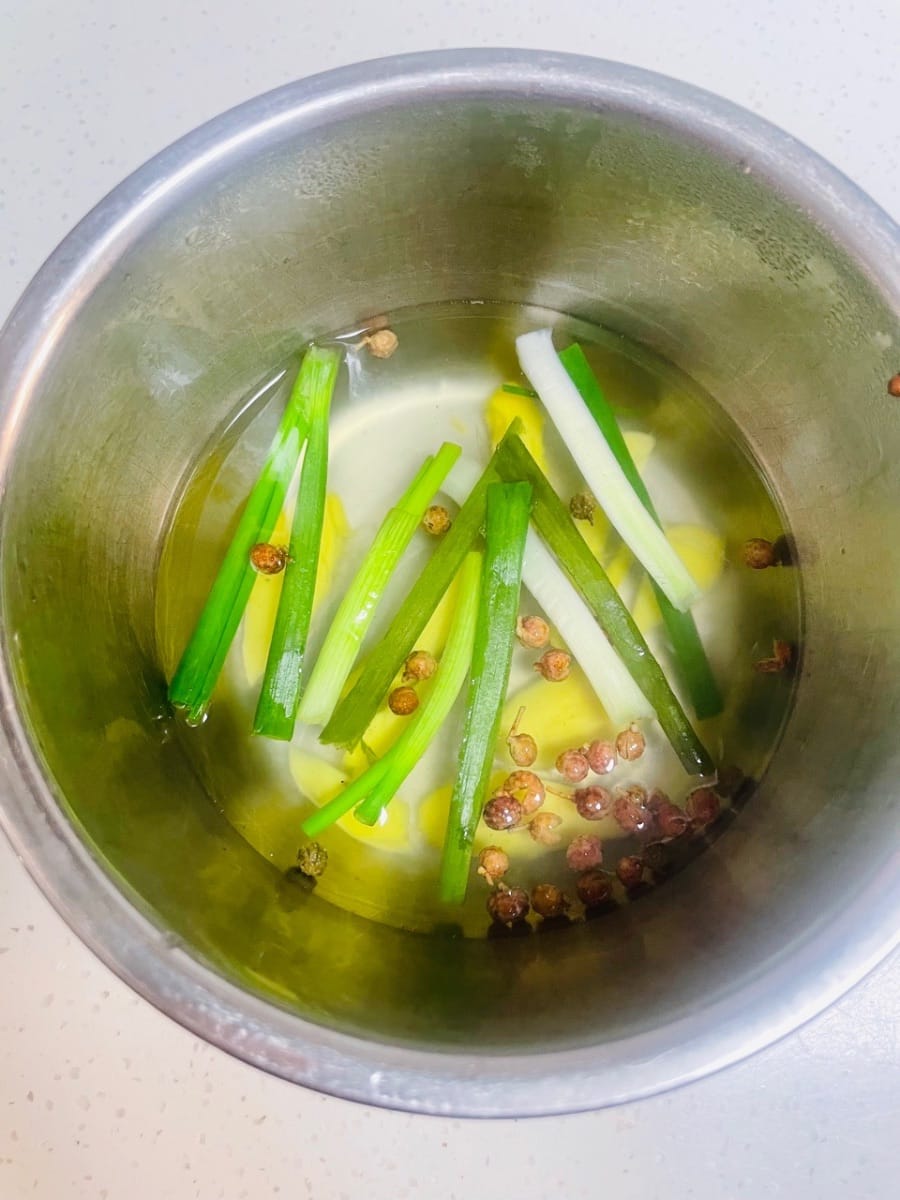
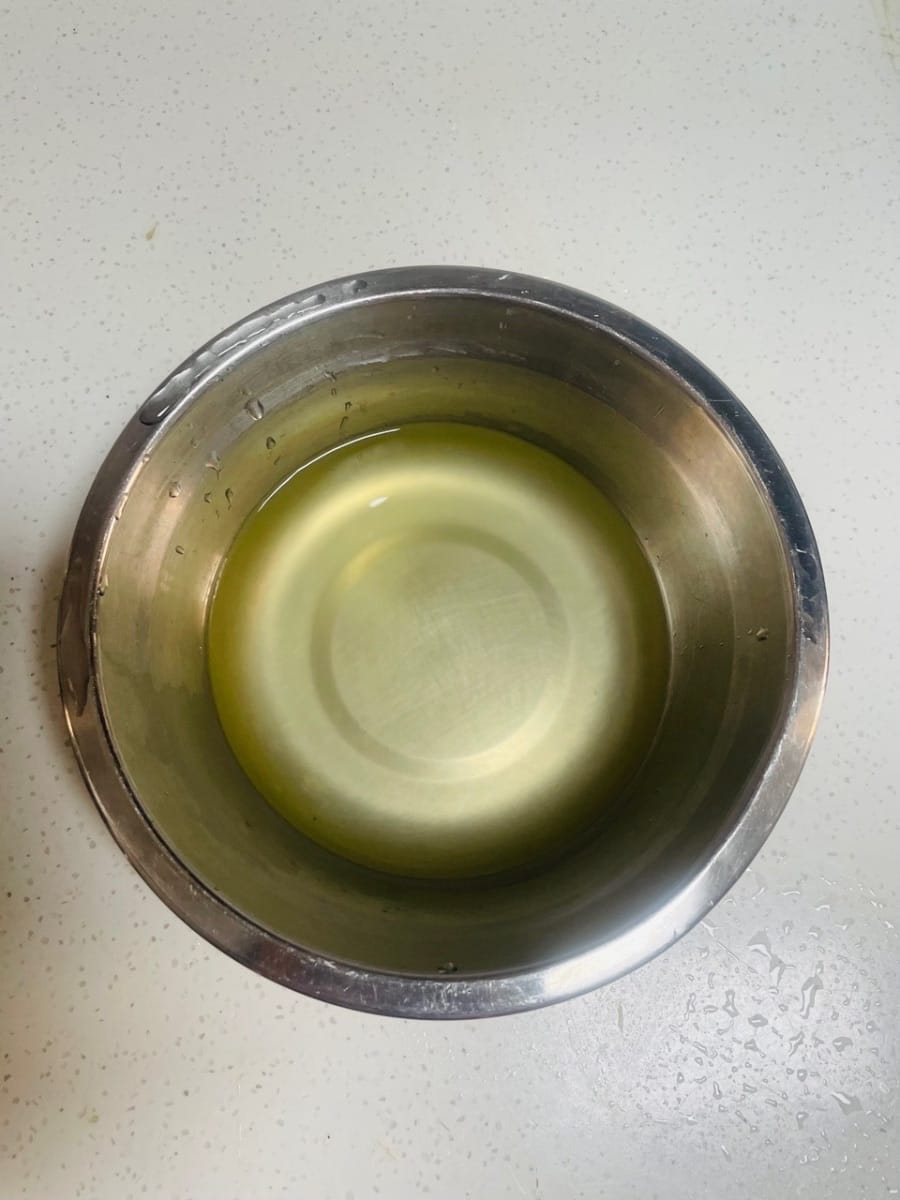
  12. Put ginger, scallions, and Sichuan peppercorns in a bowl, pour in 100g of boiling water to infuse them with aroma, and let them cool before using. If you don't have Sichuan peppercorns, you can use star anise instead. If you don't have any of those either, just use water with shredded scallions and ginger; it will work just as well.
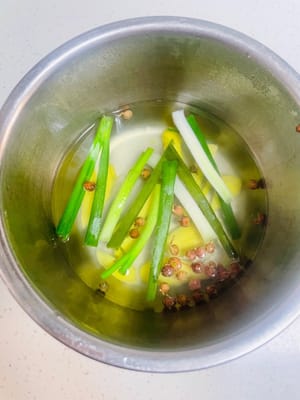
    Put ginger, scallions, and Sichuan peppercorns in a bowl, pour in 100g of boiling water to infuse them with aroma, and let them cool before using. If you don't have Sichuan peppercorns, you can use star anise instead. If you don't have any of those either, just use water with shredded scallions and ginger; it will work just as well. Put ginger, scallions, and Sichuan peppercorns in a bowl, pour in 100g of boiling water to infuse them with aroma, and let them cool before using. If you don't have Sichuan peppercorns, you can use star anise instead. If you don't have any of those either, just use water with shredded scallions and ginger; it will work just as well.
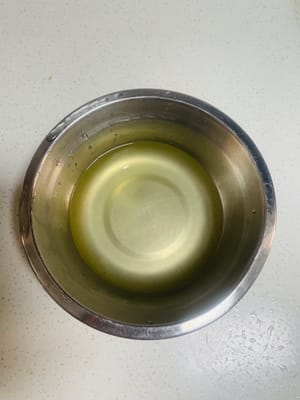
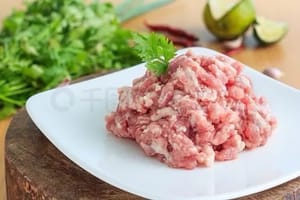
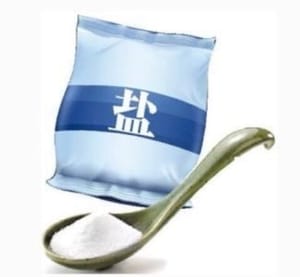
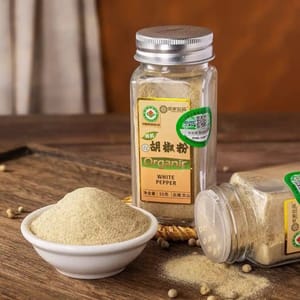
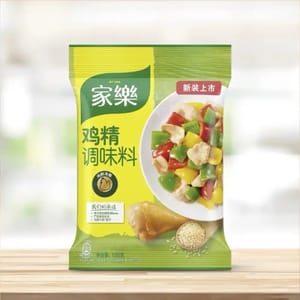
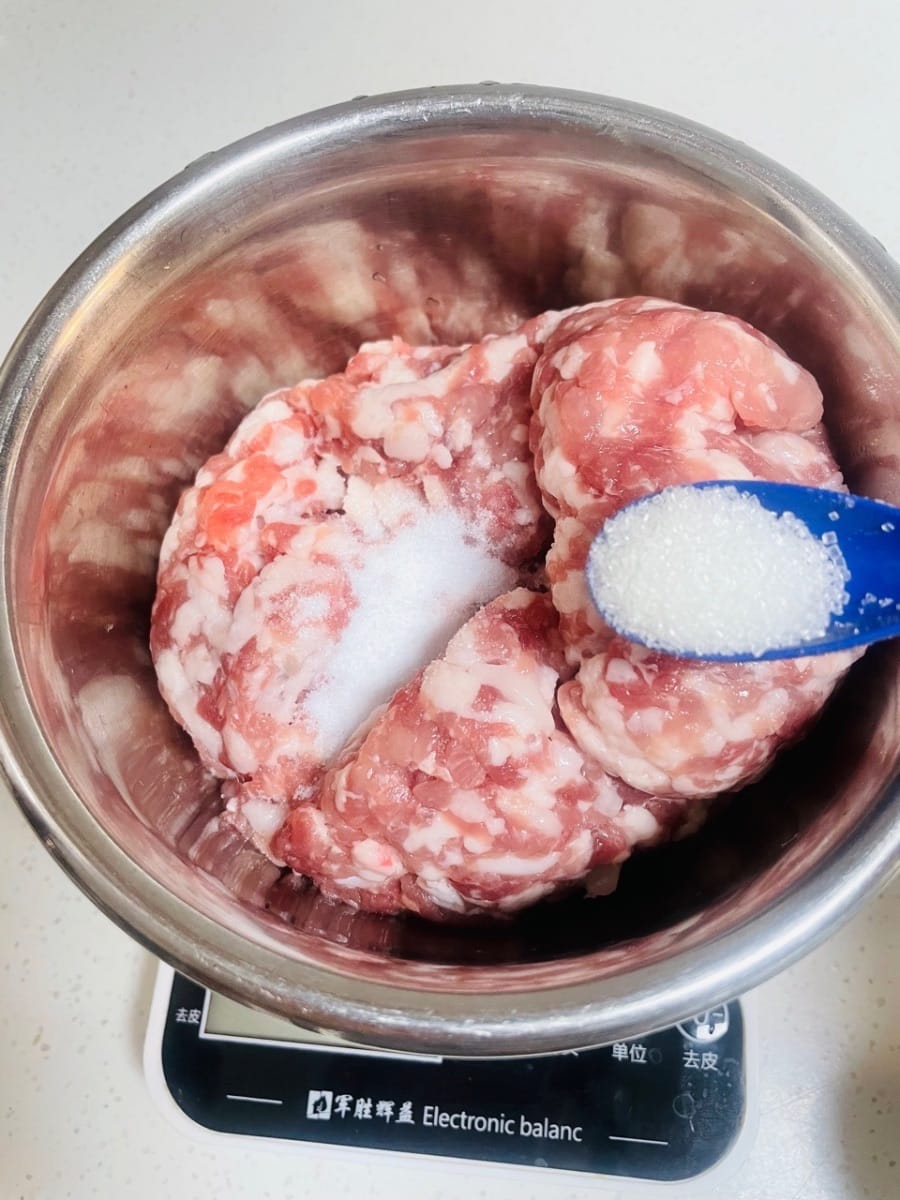
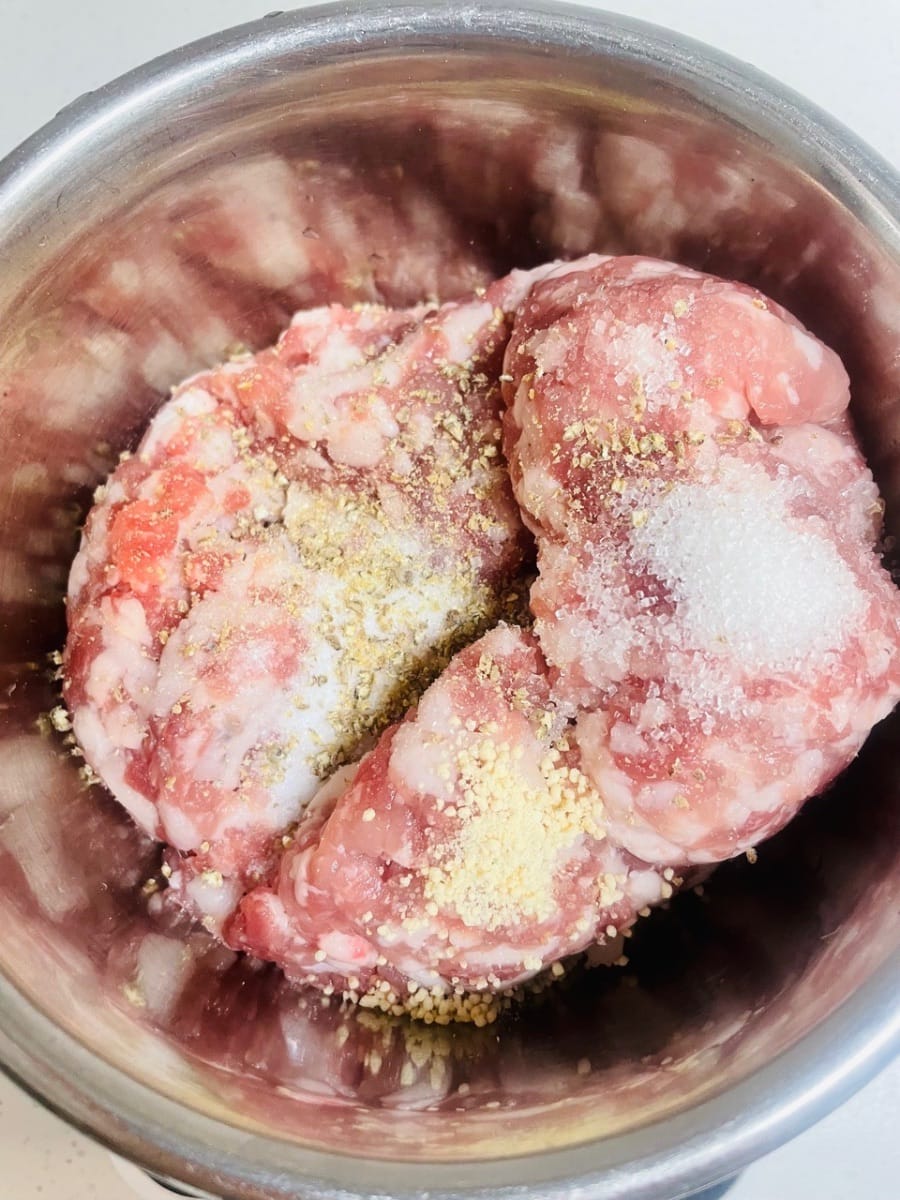
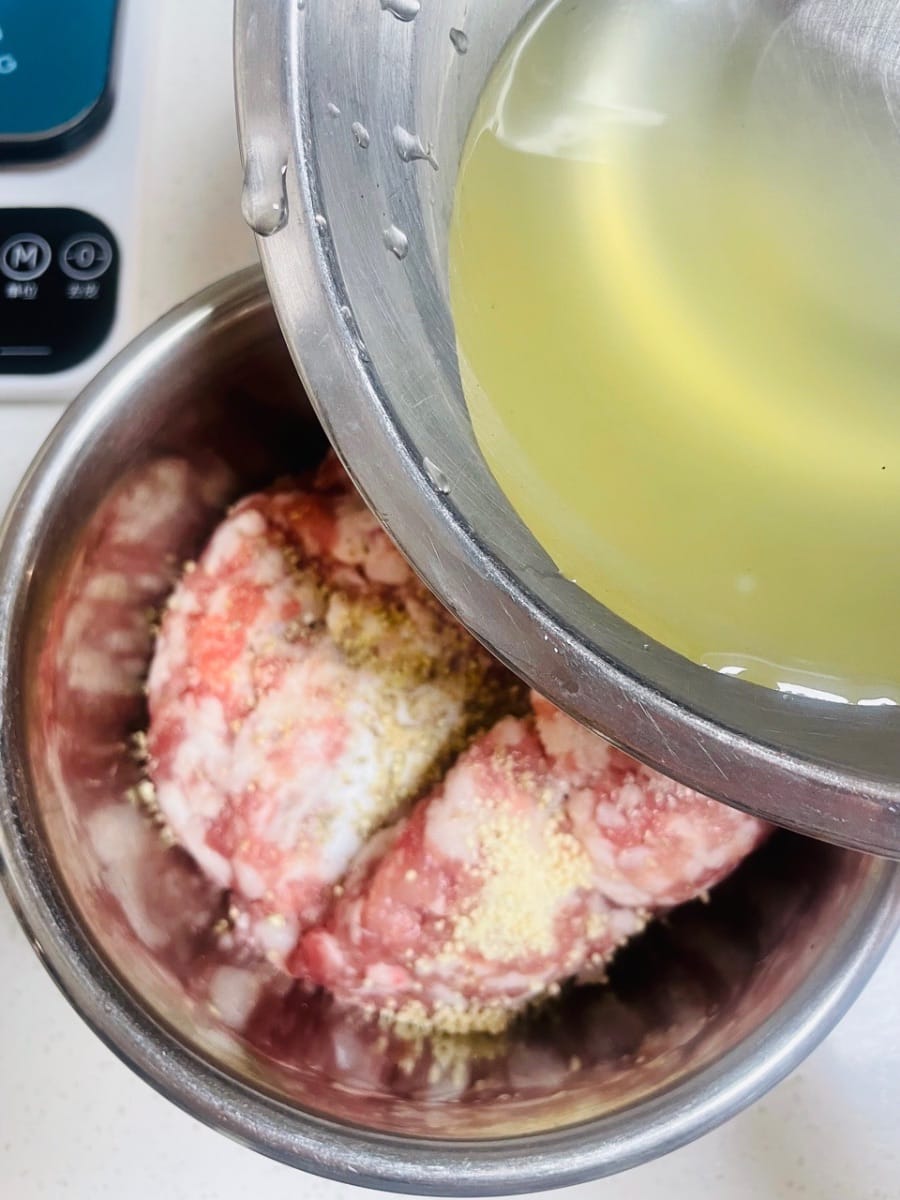
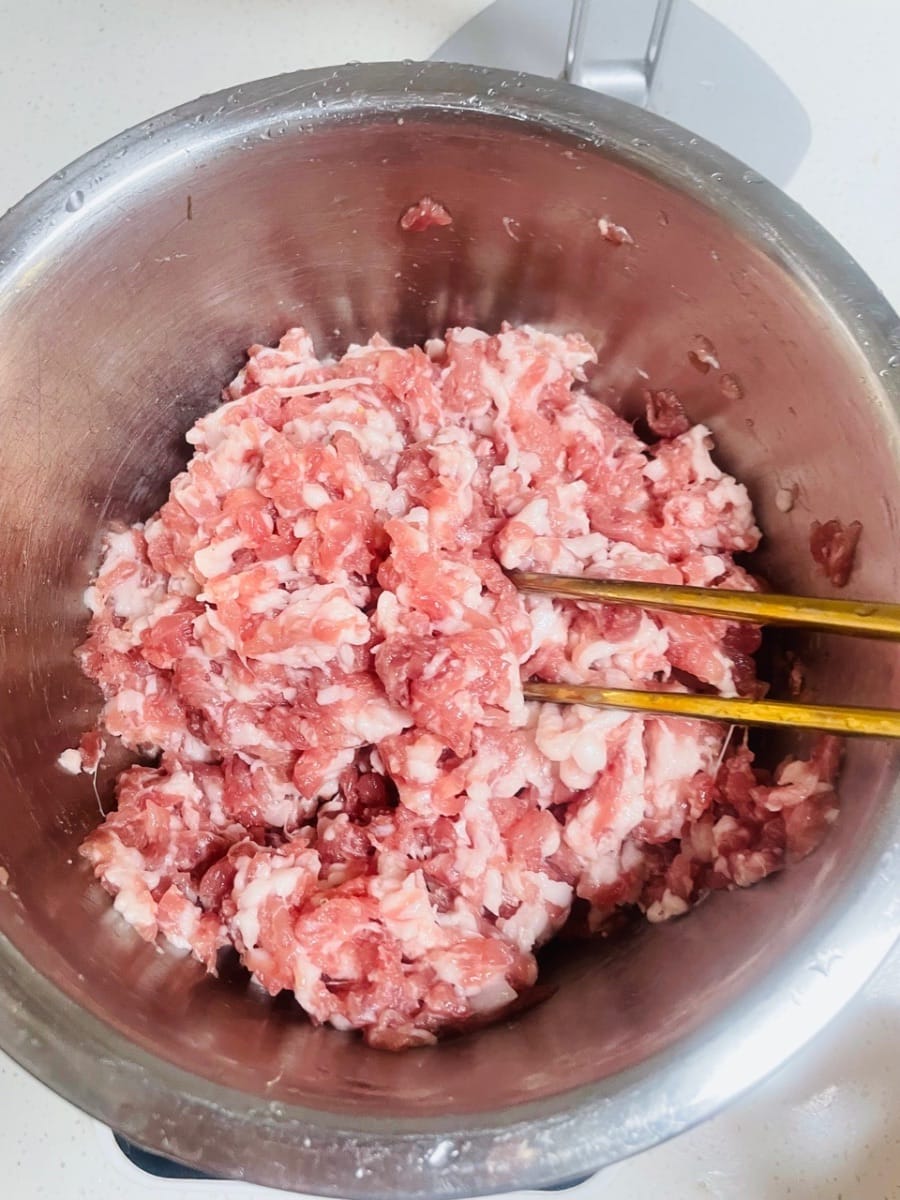
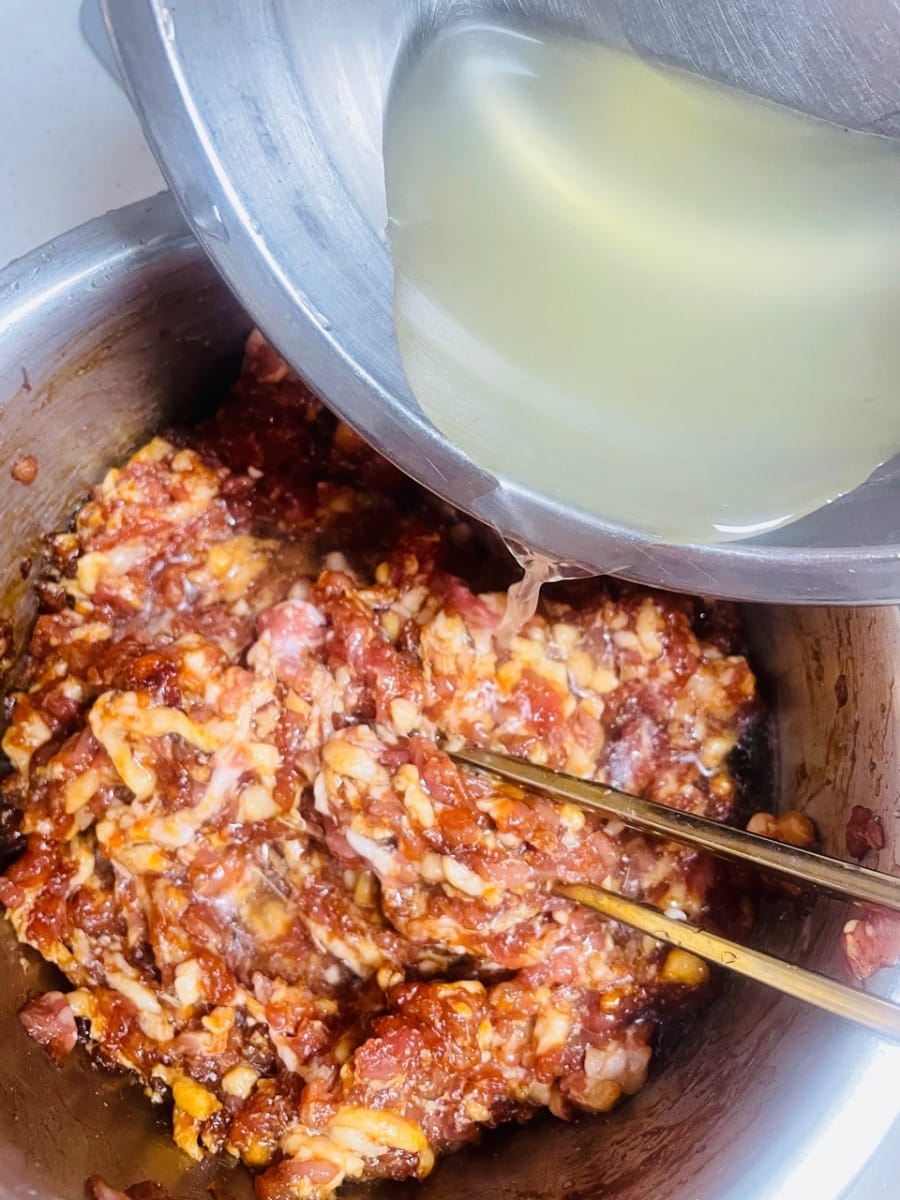
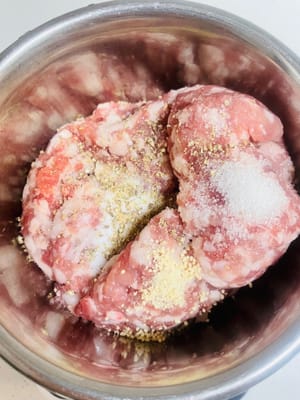
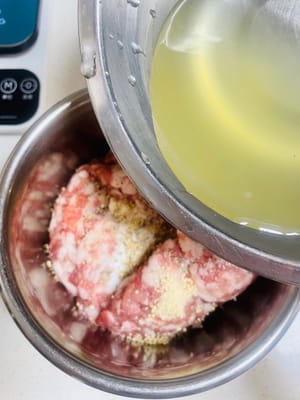
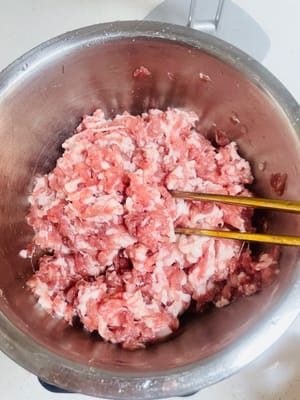
  13. Add salt, chicken bouillon, pepper, and sugar to the ground pork. Then, add the scallion and ginger water in three batches. Stir in one direction each time until the ground pork has fully absorbed the water and becomes sticky and elastic.
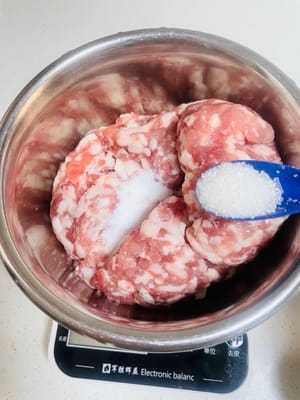
    Add salt, chicken bouillon, pepper, and sugar to the ground pork. Then, add the scallion and ginger water in three batches. Stir in one direction each time until the ground pork has fully absorbed the water and becomes sticky and elastic. Add salt, chicken bouillon, pepper, and sugar to the ground pork. Then, add the scallion and ginger water in three batches. Stir in one direction each time until the ground pork has fully absorbed the water and becomes sticky and elastic. Add salt, chicken bouillon, pepper, and sugar to the ground pork. Then, add the scallion and ginger water in three batches. Stir in one direction each time until the ground pork has fully absorbed the water and becomes sticky and elastic. Add salt, chicken bouillon, pepper, and sugar to the ground pork. Then, add the scallion and ginger water in three batches. Stir in one direction each time until the ground pork has fully absorbed the water and becomes sticky and elastic. Add salt, chicken bouillon, pepper, and sugar to the ground pork. Then, add the scallion and ginger water in three batches. Stir in one direction each time until the ground pork has fully absorbed the water and becomes sticky and elastic.
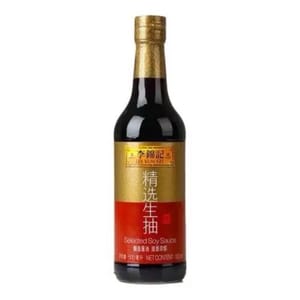
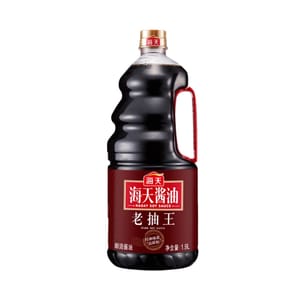
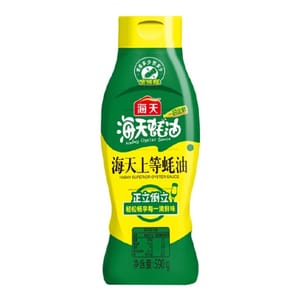
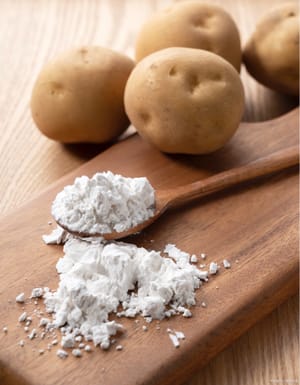
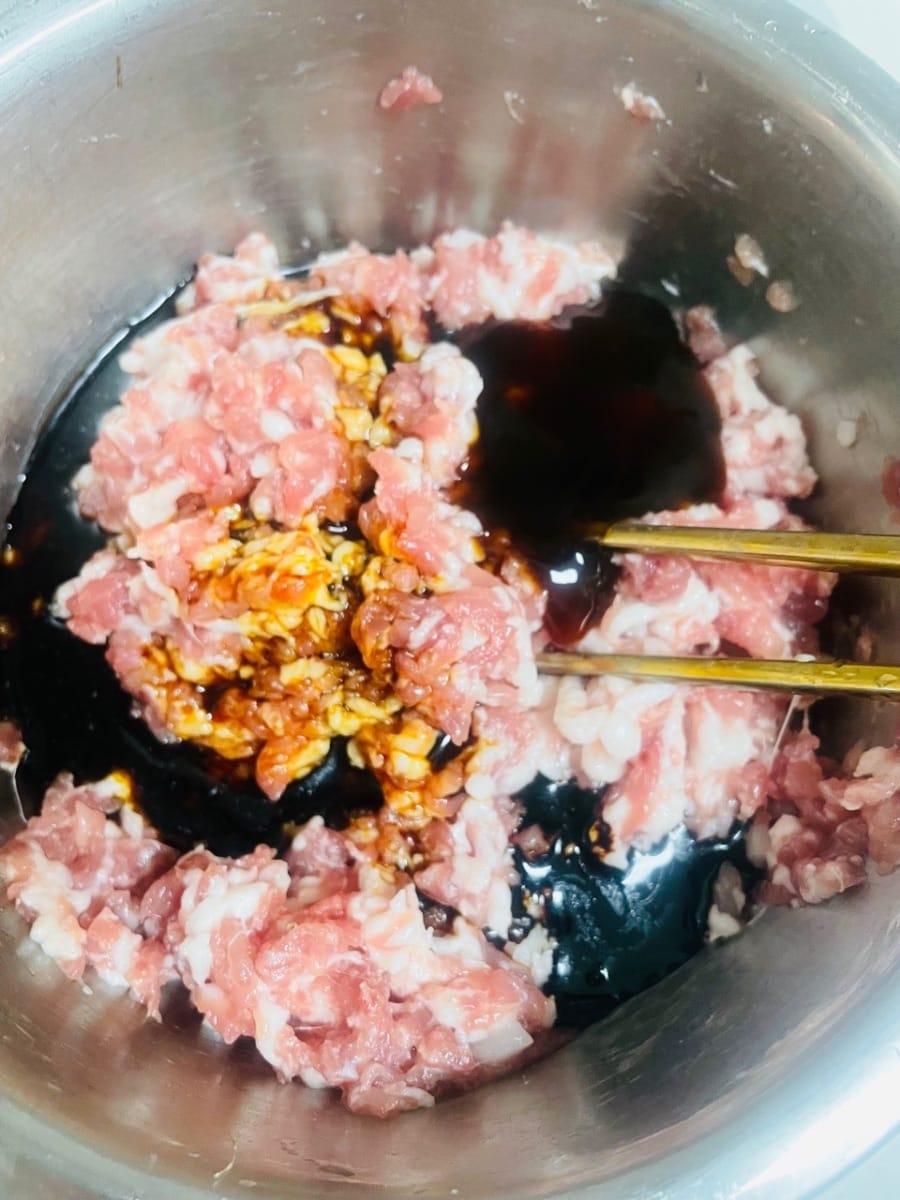
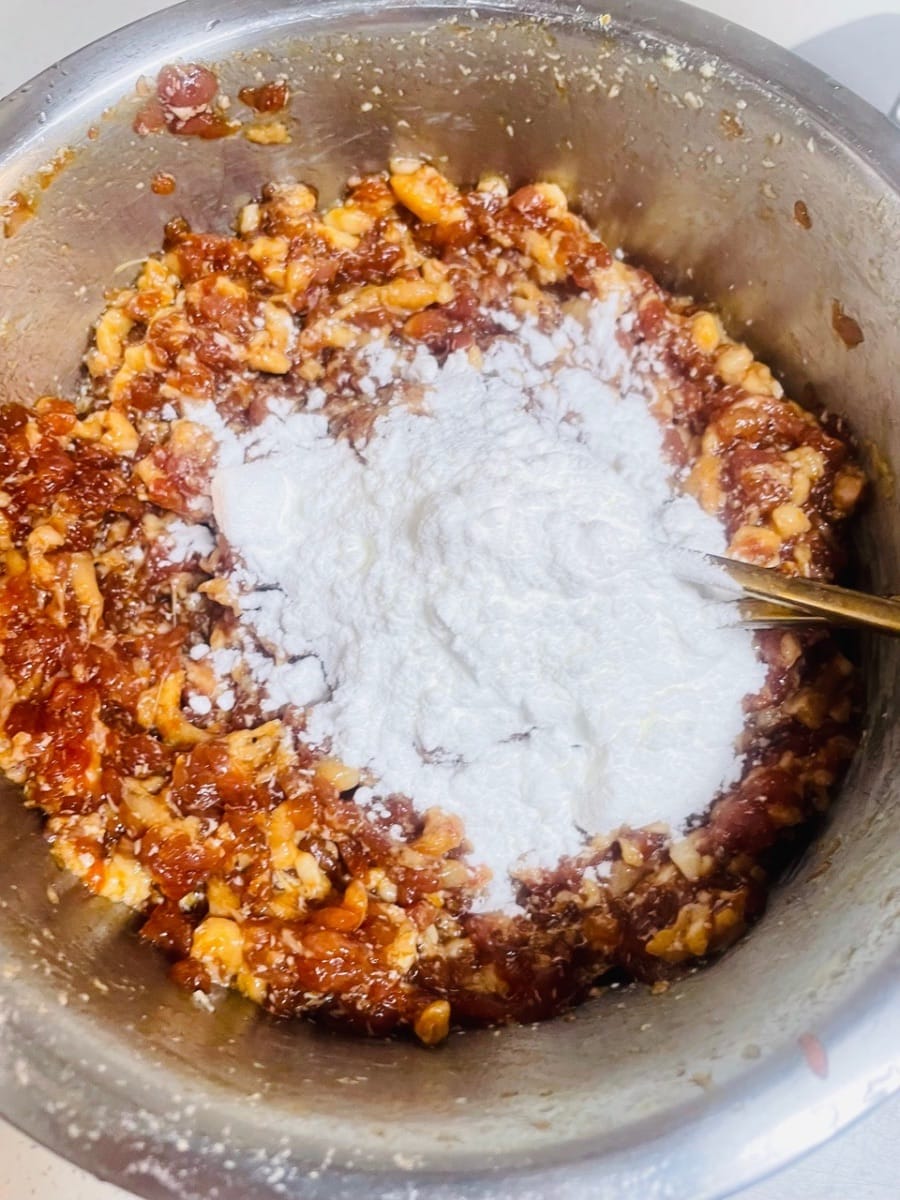
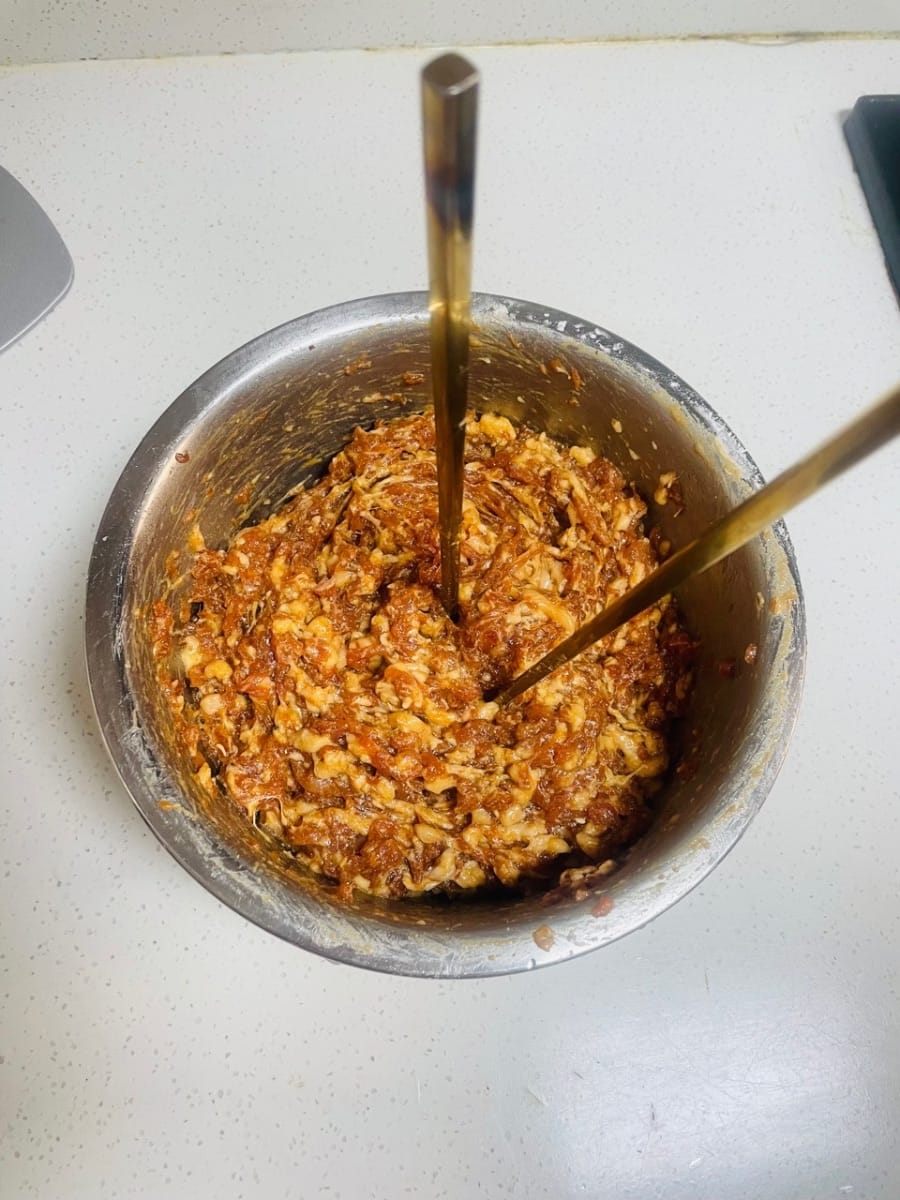
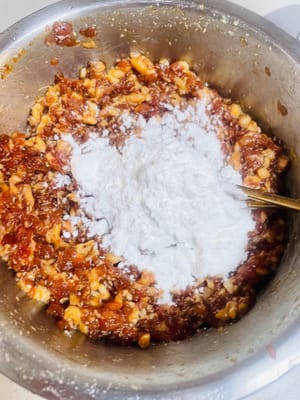
  14. Add light soy sauce and oyster sauce, and continue stirring in the same direction until the mixture becomes sticky. Then add some potato starch and stir until a chopstick inserted into it doesn't fall over. Finally, drizzle with 30g of sesame oil or scallion oil. The aroma will be so enticing that your neighbors will come knocking on the door!
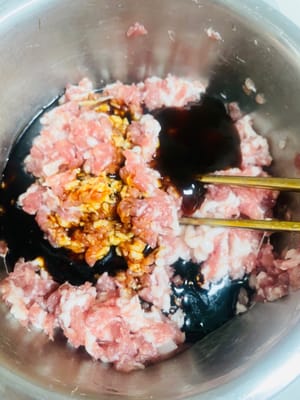
    Add light soy sauce and oyster sauce, and continue stirring in the same direction until the mixture becomes sticky. Then add some potato starch and stir until a chopstick inserted into it doesn't fall over. Finally, drizzle with 30g of sesame oil or scallion oil. The aroma will be so enticing that your neighbors will come knocking on the door! Add light soy sauce and oyster sauce, and continue stirring in the same direction until the mixture becomes sticky. Then add some potato starch and stir until a chopstick inserted into it doesn't fall over. Finally, drizzle with 30g of sesame oil or scallion oil. The aroma will be so enticing that your neighbors will come knocking on the door! Add light soy sauce and oyster sauce, and continue stirring in the same direction until the mixture becomes sticky. Then add some potato starch and stir until a chopstick inserted into it doesn't fall over. Finally, drizzle with 30g of sesame oil or scallion oil. The aroma will be so enticing that your neighbors will come knocking on the door! Add light soy sauce and oyster sauce, and continue stirring in the same direction until the mixture becomes sticky. Then add some potato starch and stir until a chopstick inserted into it doesn't fall over. Finally, drizzle with 30g of sesame oil or scallion oil. The aroma will be so enticing that your neighbors will come knocking on the door! Add light soy sauce and oyster sauce, and continue stirring in the same direction until the mixture becomes sticky. Then add some potato starch and stir until a chopstick inserted into it doesn't fall over. Finally, drizzle with 30g of sesame oil or scallion oil. The aroma will be so enticing that your neighbors will come knocking on the door!
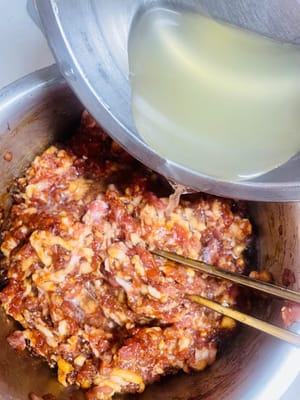
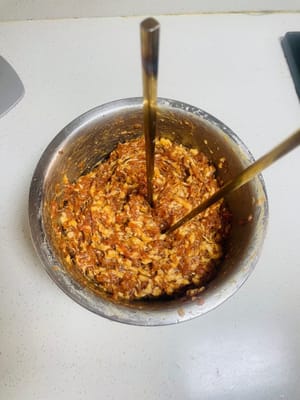
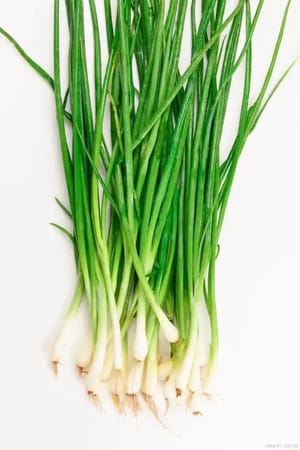
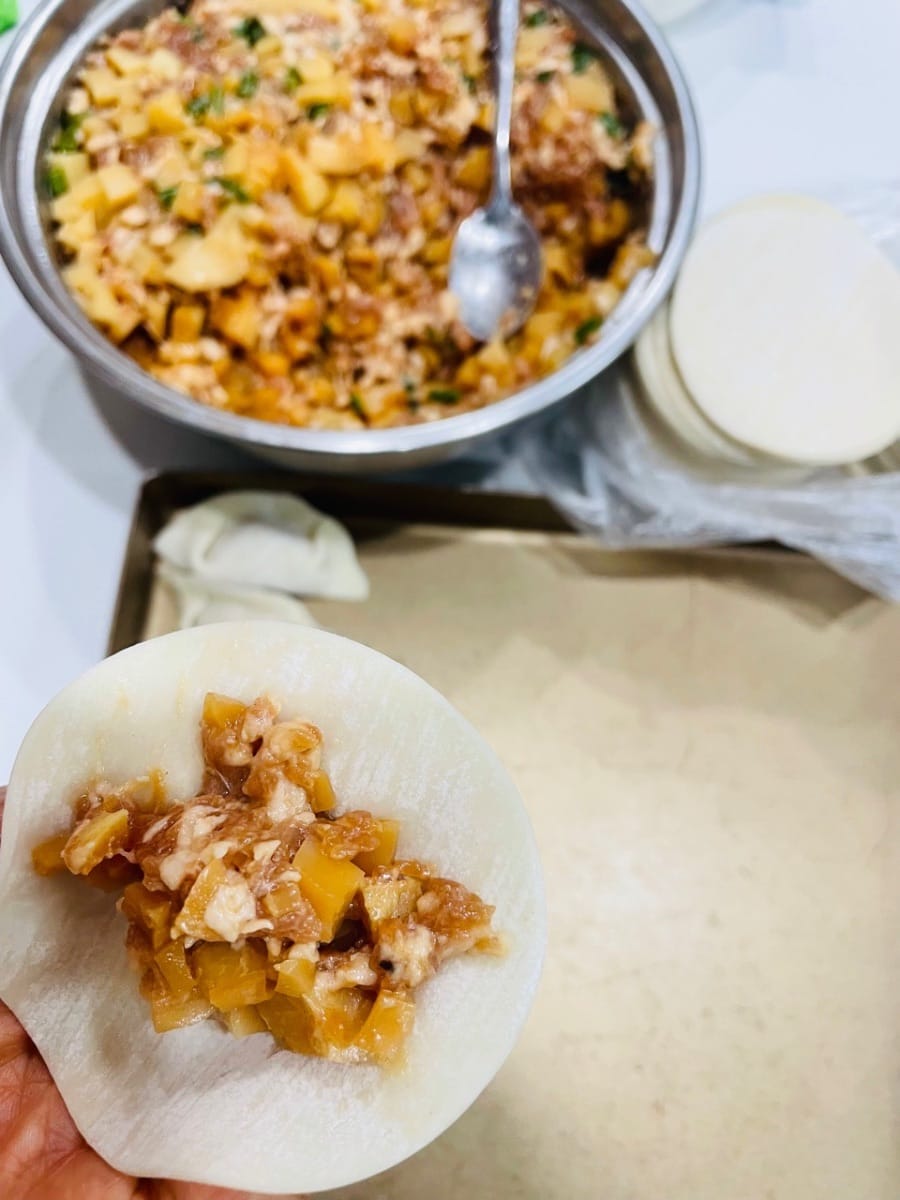
  15. Mix the chopped aspic and scallions into the minced meat. A 1:1 ratio of aspic to minced meat is perfect. Without aspic, it's just regular minced meat; with it, it becomes a soup-filled version—bursting with juice with every bite, so incredibly delicious!
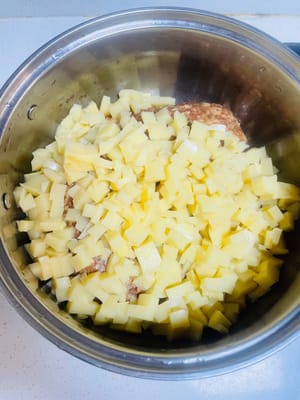
    Mix the chopped aspic and scallions into the minced meat. A 1:1 ratio of aspic to minced meat is perfect. Without aspic, it's just regular minced meat; with it, it becomes a soup-filled version—bursting with juice with every bite, so incredibly delicious! Mix the chopped aspic and scallions into the minced meat. A 1:1 ratio of aspic to minced meat is perfect. Without aspic, it's just regular minced meat; with it, it becomes a soup-filled version—bursting with juice with every bite, so incredibly delicious!
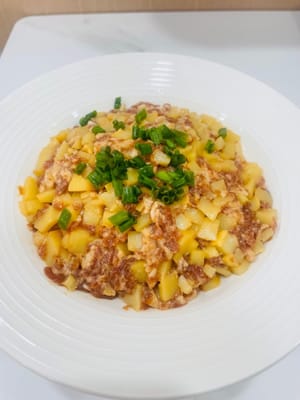
  16. Semi-fermented dough (it won't harden when cold)
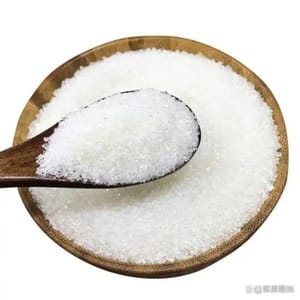
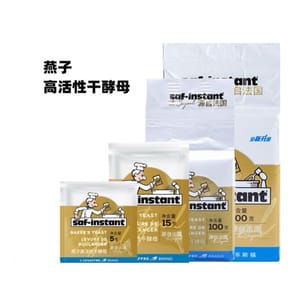
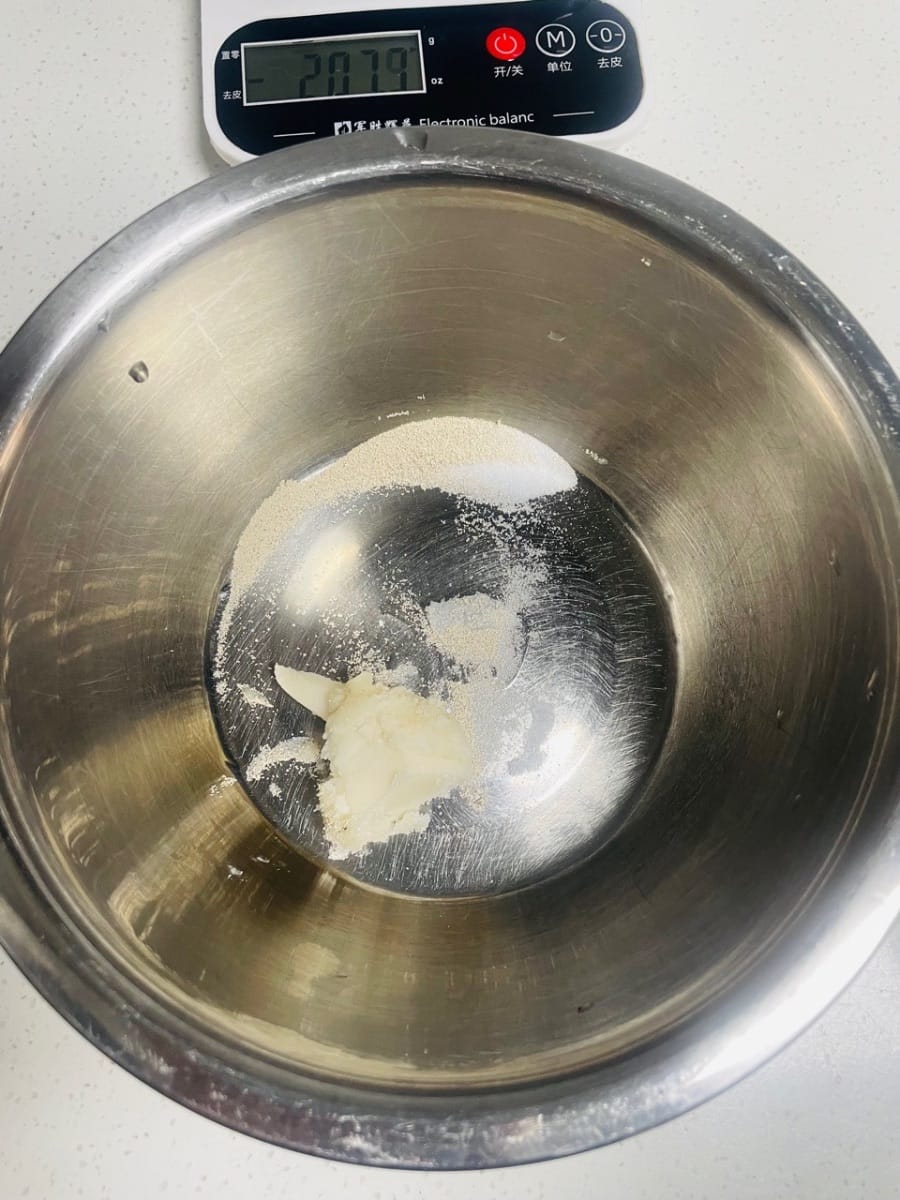
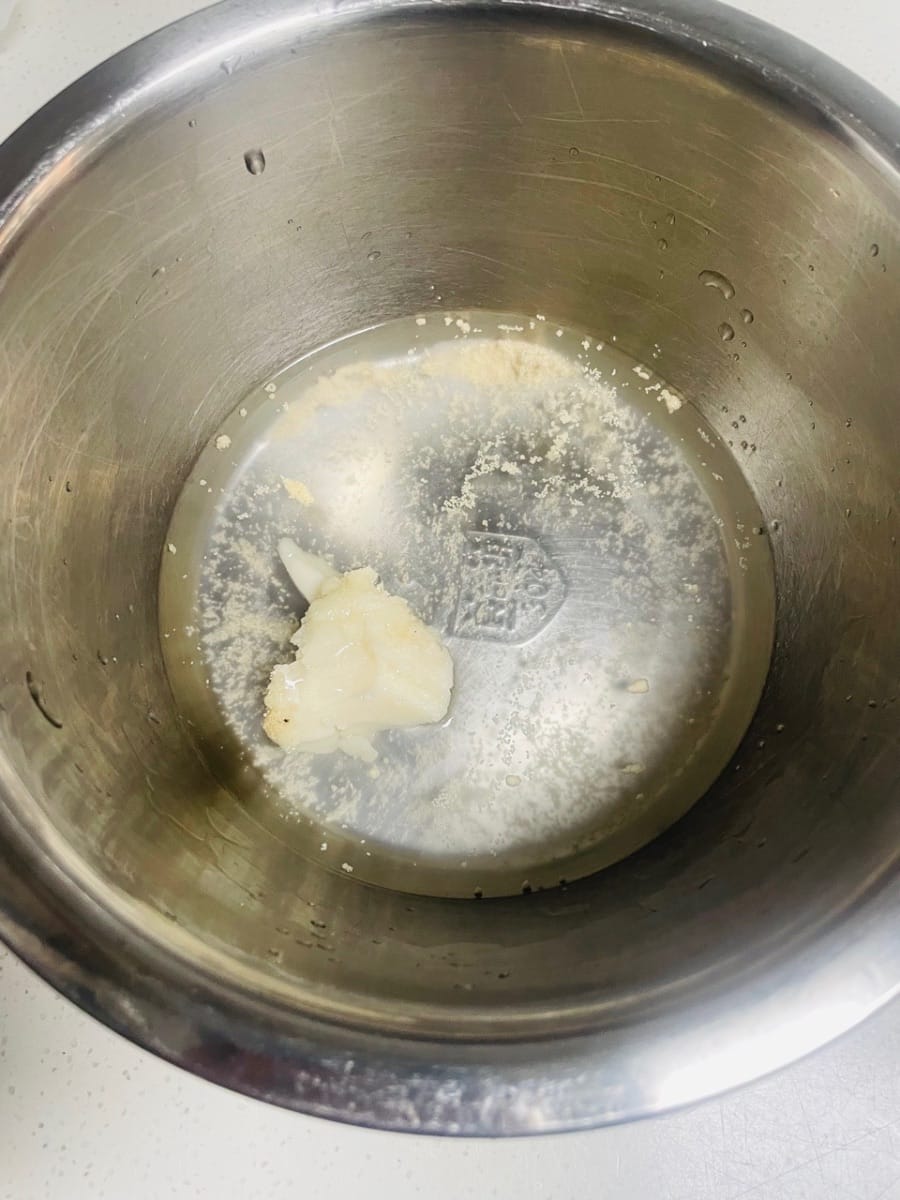
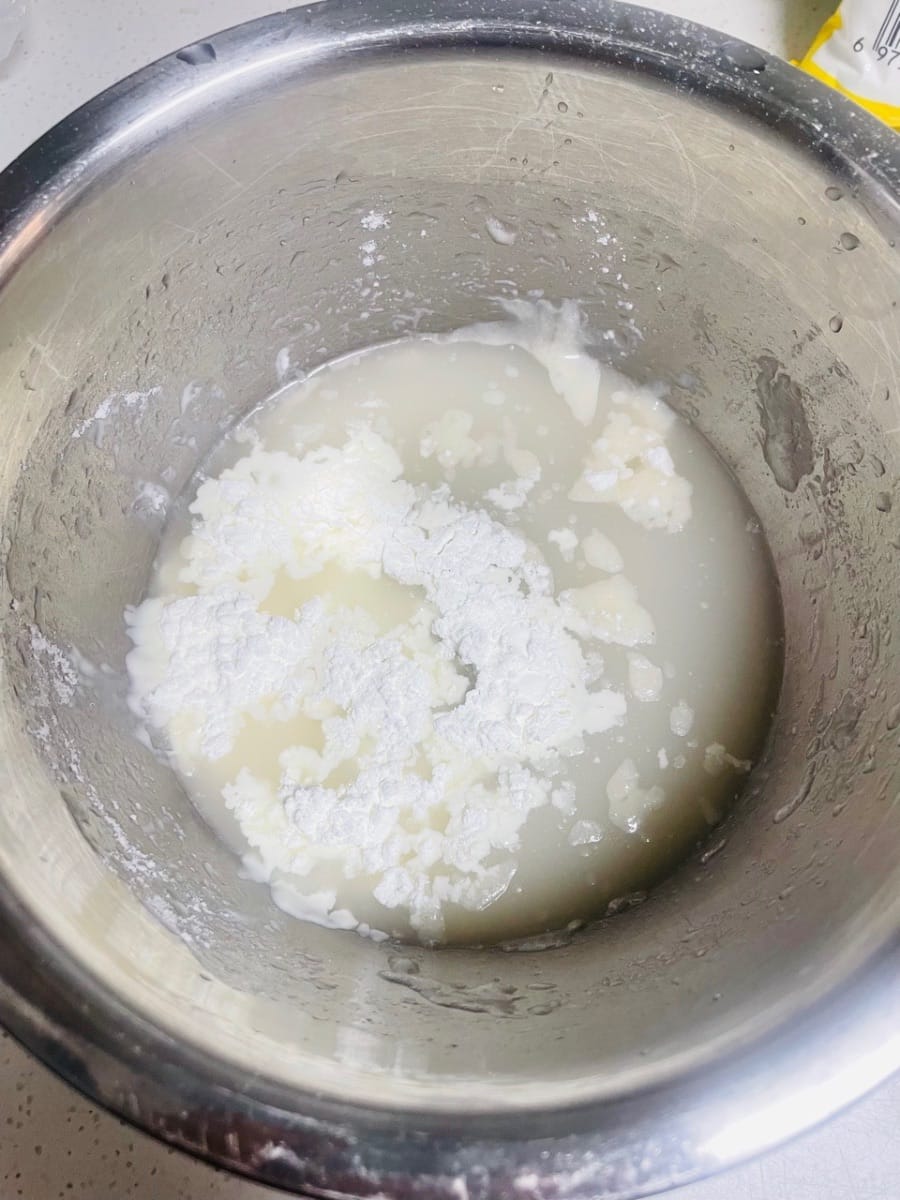
  17. In a bowl, combine 3g salt, 5g sugar, 20g lard, and about 40g warm water, and stir well. Once the water has cooled to a temperature that is not too hot to touch (around 30 degrees Celsius), add 1g of yeast. Do not use boiling water, as it will kill the yeast and the dough will not rise!
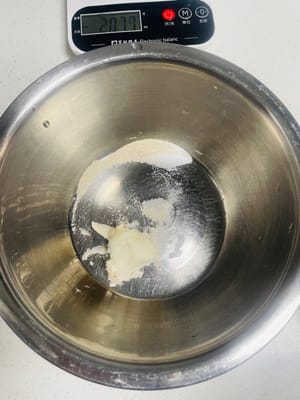
    In a bowl, combine 3g salt, 5g sugar, 20g lard, and about 40g warm water, and stir well. Once the water has cooled to a temperature that is not too hot to touch (around 30 degrees Celsius), add 1g of yeast. Do not use boiling water, as it will kill the yeast and the dough will not rise! In a bowl, combine 3g salt, 5g sugar, 20g lard, and about 40g warm water, and stir well. Once the water has cooled to a temperature that is not too hot to touch (around 30 degrees Celsius), add 1g of yeast. Do not use boiling water, as it will kill the yeast and the dough will not rise!
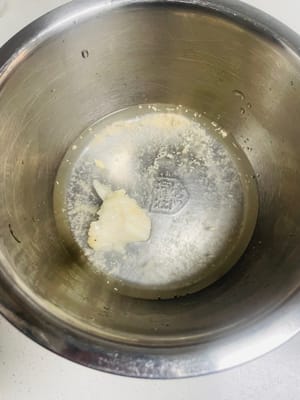
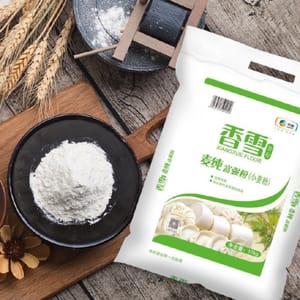
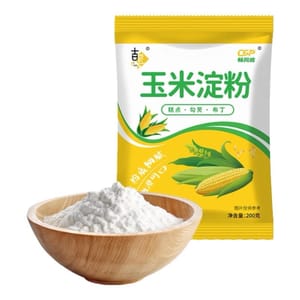
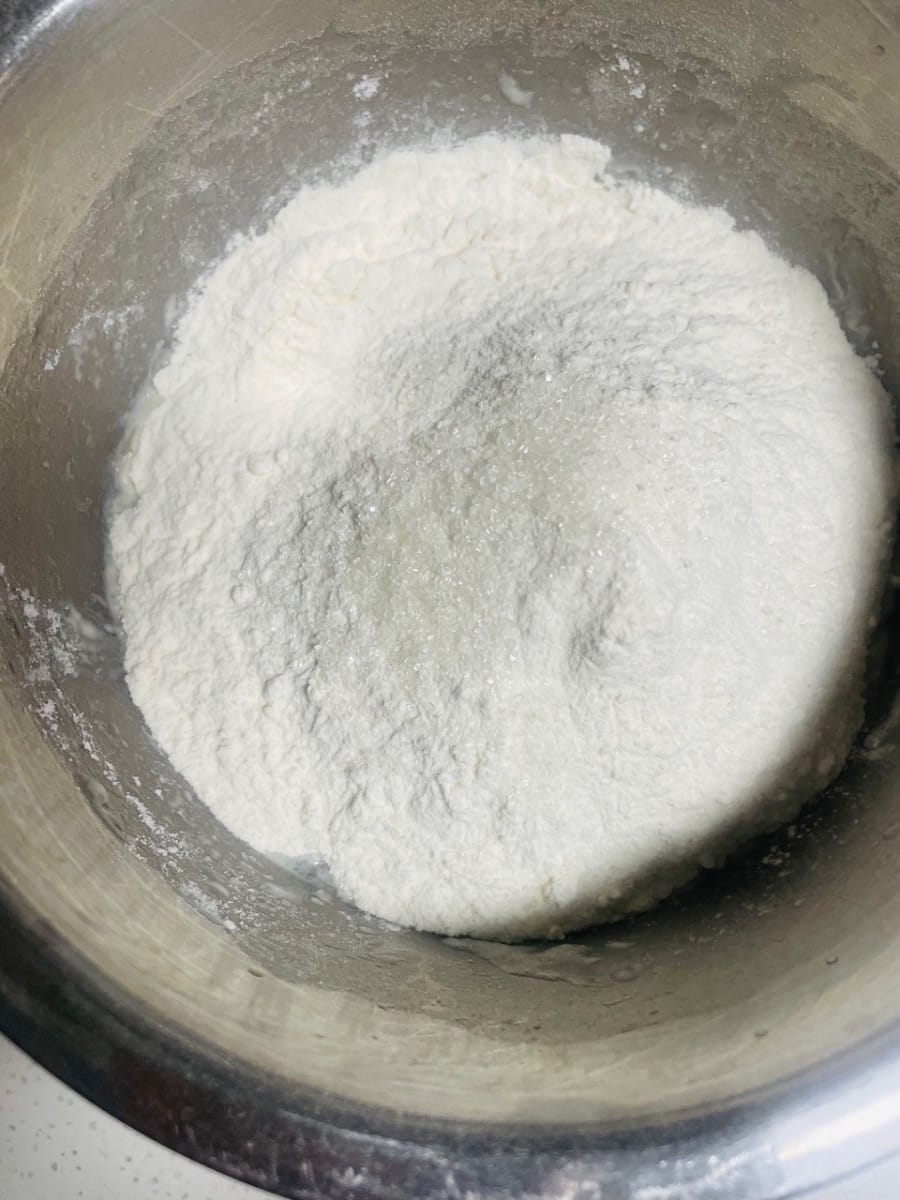
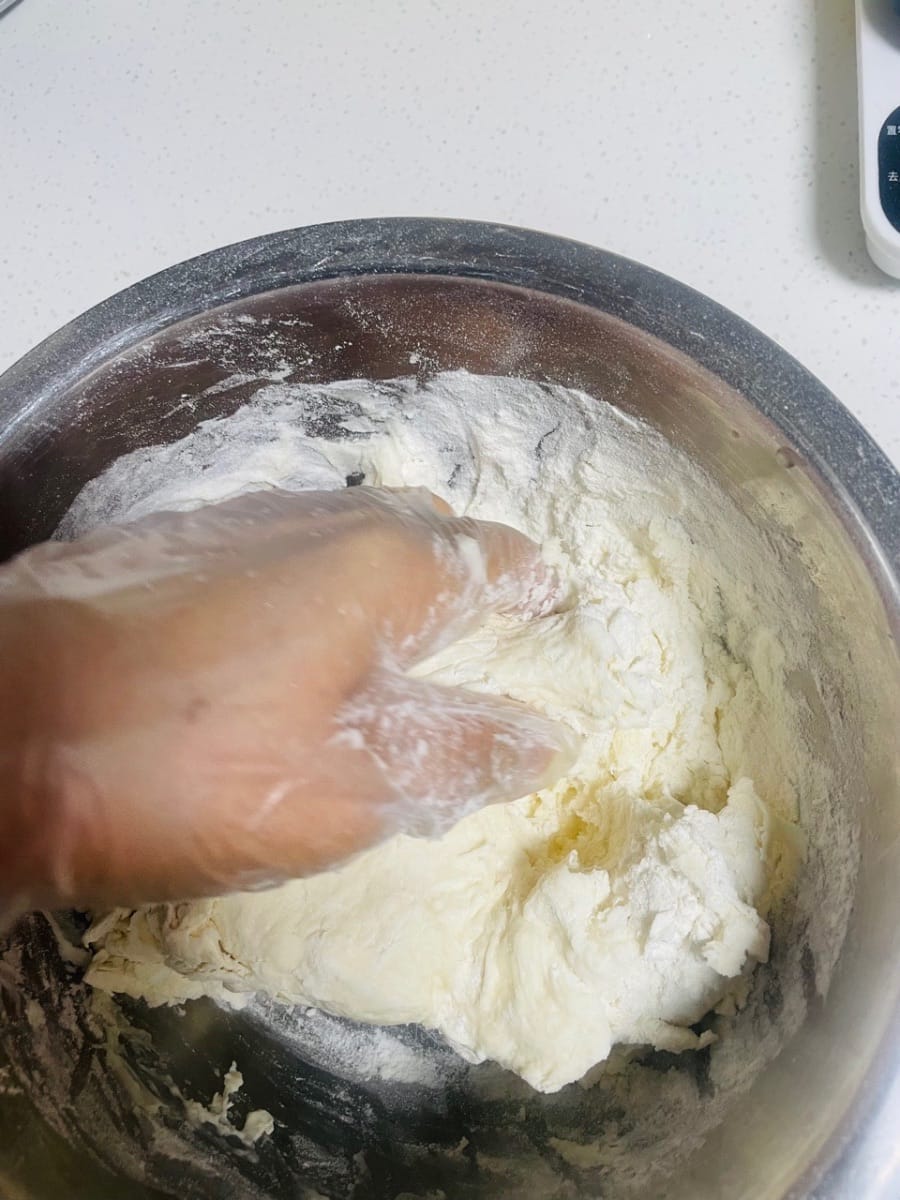
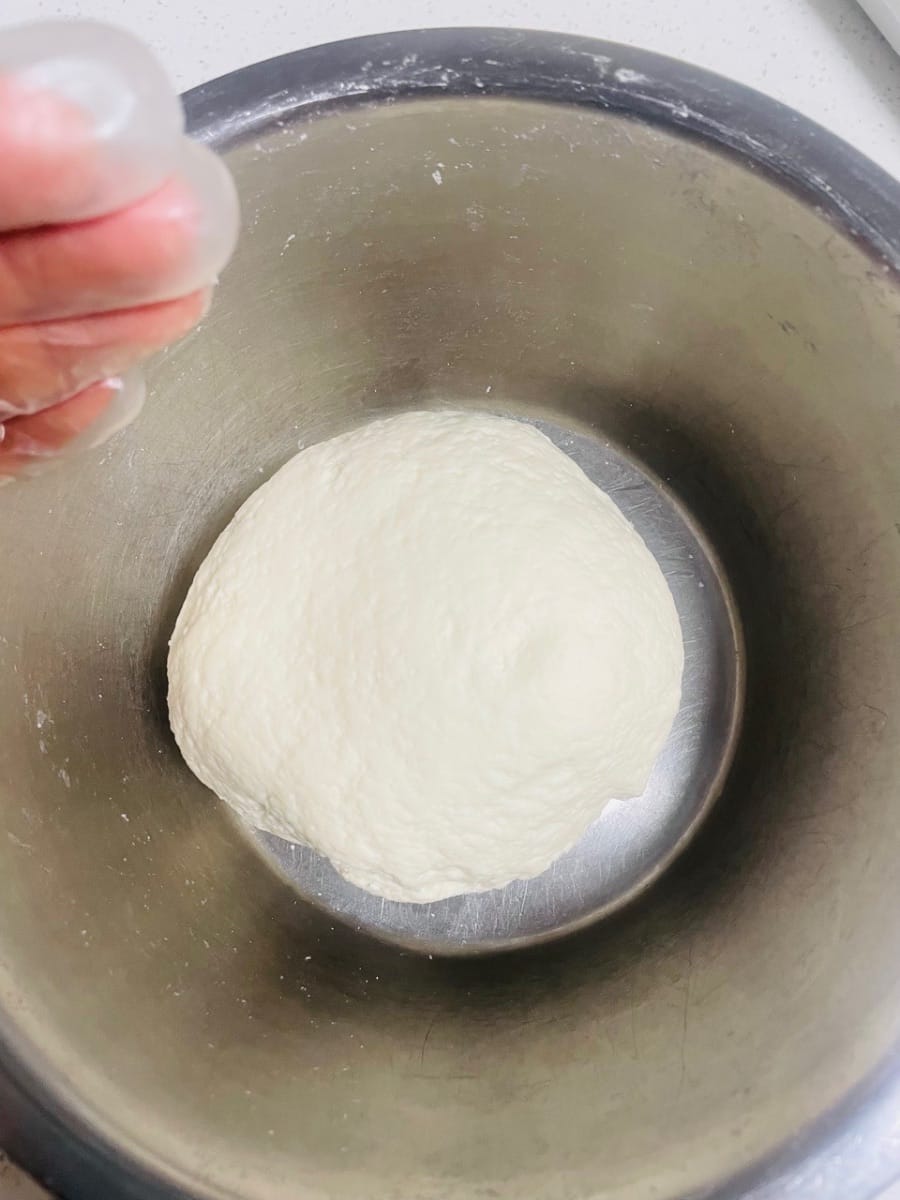
  18. Add 300g of flour and 50g of cornstarch, mix well, pour in the prepared yeast water, and knead into a smooth dough. This combination of semi-fermented dough and cornstarch ensures that even if the buns cool and are reheated, the skin will still be soft and not hard like a rock. Let the dough rise in a warm place at around 30 degrees Celsius until it doubles in size. In winter, you can put the dough in the oven with a bowl of hot water next to it, or place it directly next to a radiator; just make sure it doesn't freeze.
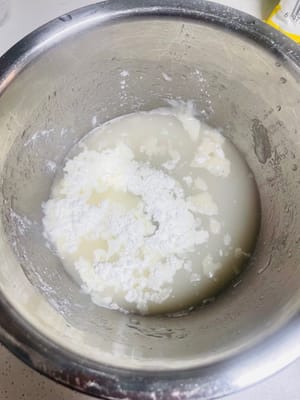
    Add 300g of flour and 50g of cornstarch, mix well, pour in the prepared yeast water, and knead into a smooth dough. This combination of semi-fermented dough and cornstarch ensures that even if the buns cool and are reheated, the skin will still be soft and not hard like a rock.

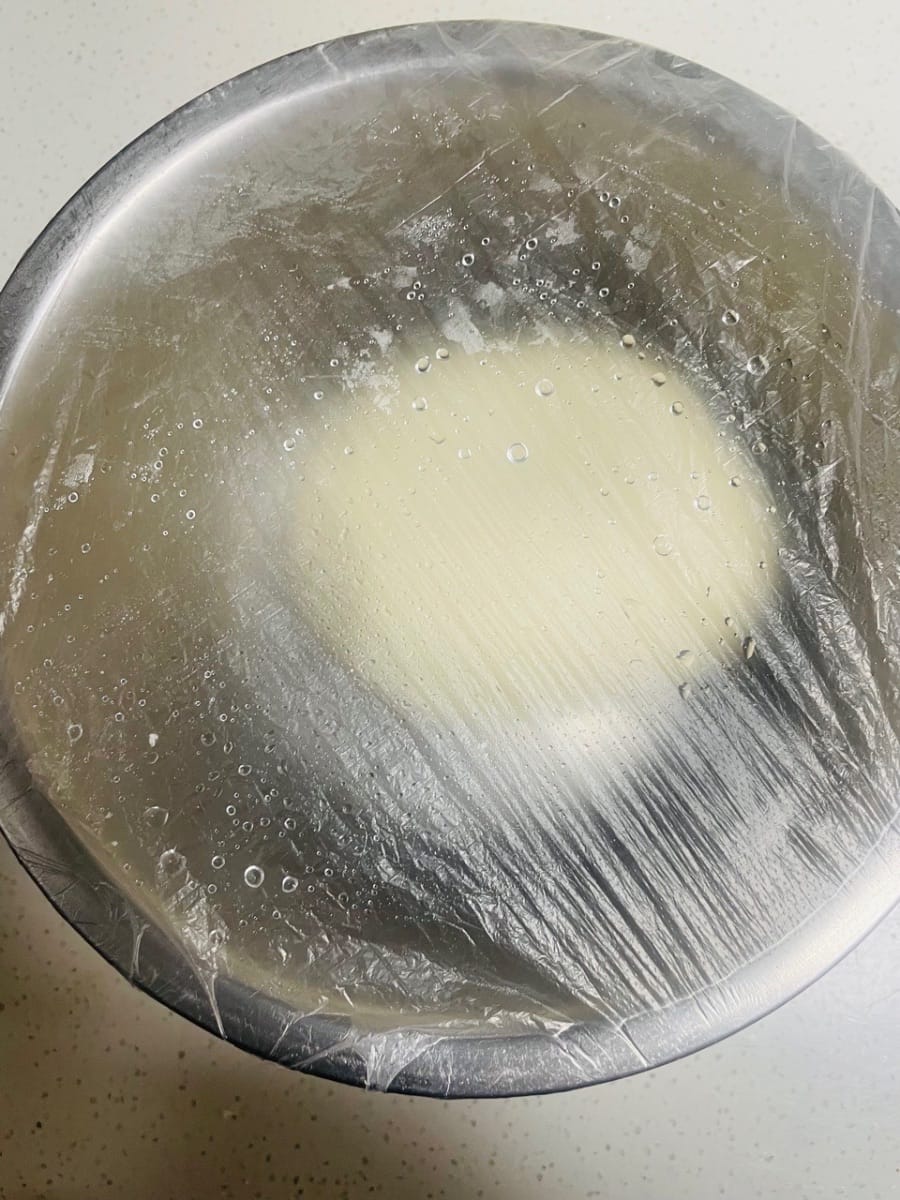
Let the dough rise in a warm place at around 30 degrees Celsius until it doubles in size. In winter, you can put the dough in the oven with a bowl of hot water next to it, or place it directly next to a radiator; just make sure it doesn't freeze. Add 300g of flour and 50g of cornstarch, mix well, pour in the prepared yeast water, and knead into a smooth dough. This combination of semi-fermented dough and cornstarch ensures that even if the buns cool and are reheated, the skin will still be soft and not hard like a rock.
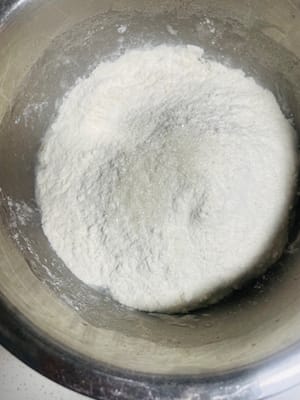
Let the dough rise in a warm place at around 30 degrees Celsius until it doubles in size. In winter, you can put the dough in the oven with a bowl of hot water next to it, or place it directly next to a radiator; just make sure it doesn't freeze. Add 300g of flour and 50g of cornstarch, mix well, pour in the prepared yeast water, and knead into a smooth dough. This combination of semi-fermented dough and cornstarch ensures that even if the buns cool and are reheated, the skin will still be soft and not hard like a rock.
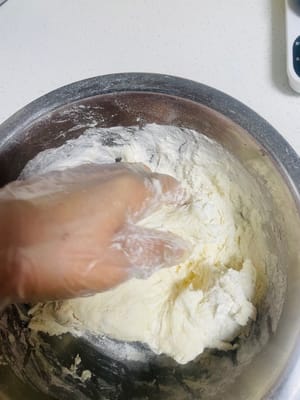
Let the dough rise in a warm place at around 30 degrees Celsius until it doubles in size. In winter, you can put the dough in the oven with a bowl of hot water next to it, or place it directly next to a radiator; just make sure it doesn't freeze. Add 300g of flour and 50g of cornstarch, mix well, pour in the prepared yeast water, and knead into a smooth dough. This combination of semi-fermented dough and cornstarch ensures that even if the buns cool and are reheated, the skin will still be soft and not hard like a rock.
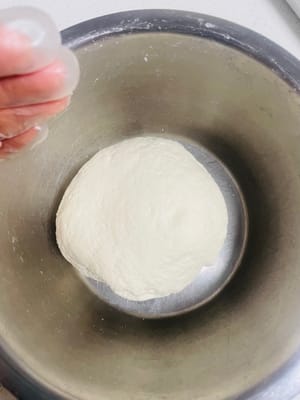
Let the dough rise in a warm place at around 30 degrees Celsius until it doubles in size. In winter, you can put the dough in the oven with a bowl of hot water next to it, or place it directly next to a radiator; just make sure it doesn't freeze. Add 300g of flour and 50g of cornstarch, mix well, pour in the prepared yeast water, and knead into a smooth dough. This combination of semi-fermented dough and cornstarch ensures that even if the buns cool and are reheated, the skin will still be soft and not hard like a rock.
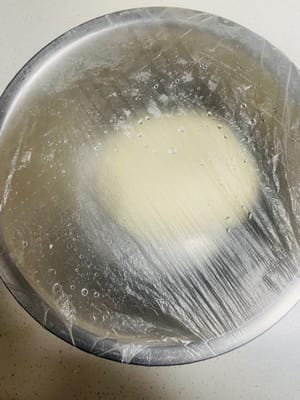
Let the dough rise in a warm place at around 30 degrees Celsius until it doubles in size. In winter, you can put the dough in the oven with a bowl of hot water next to it, or place it directly next to a radiator; just make sure it doesn't freeze.
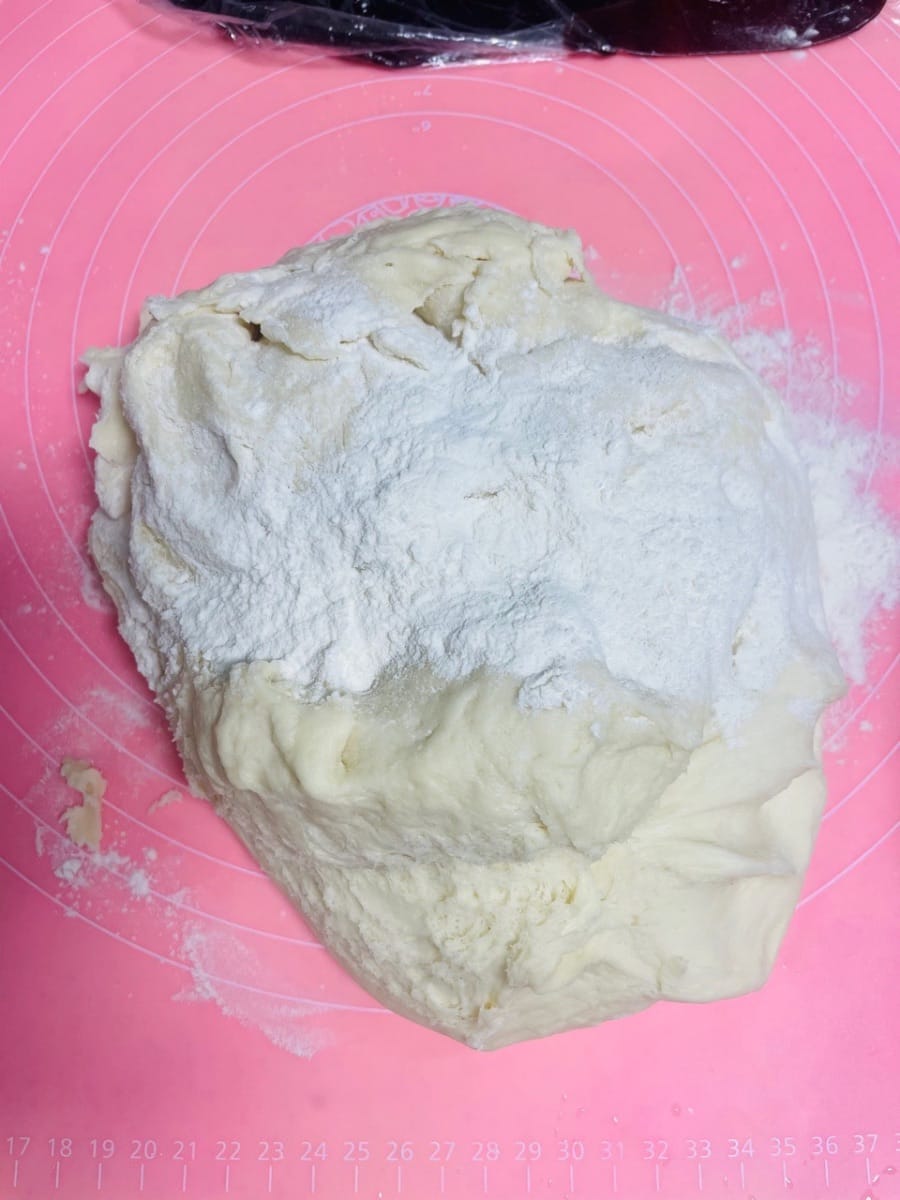
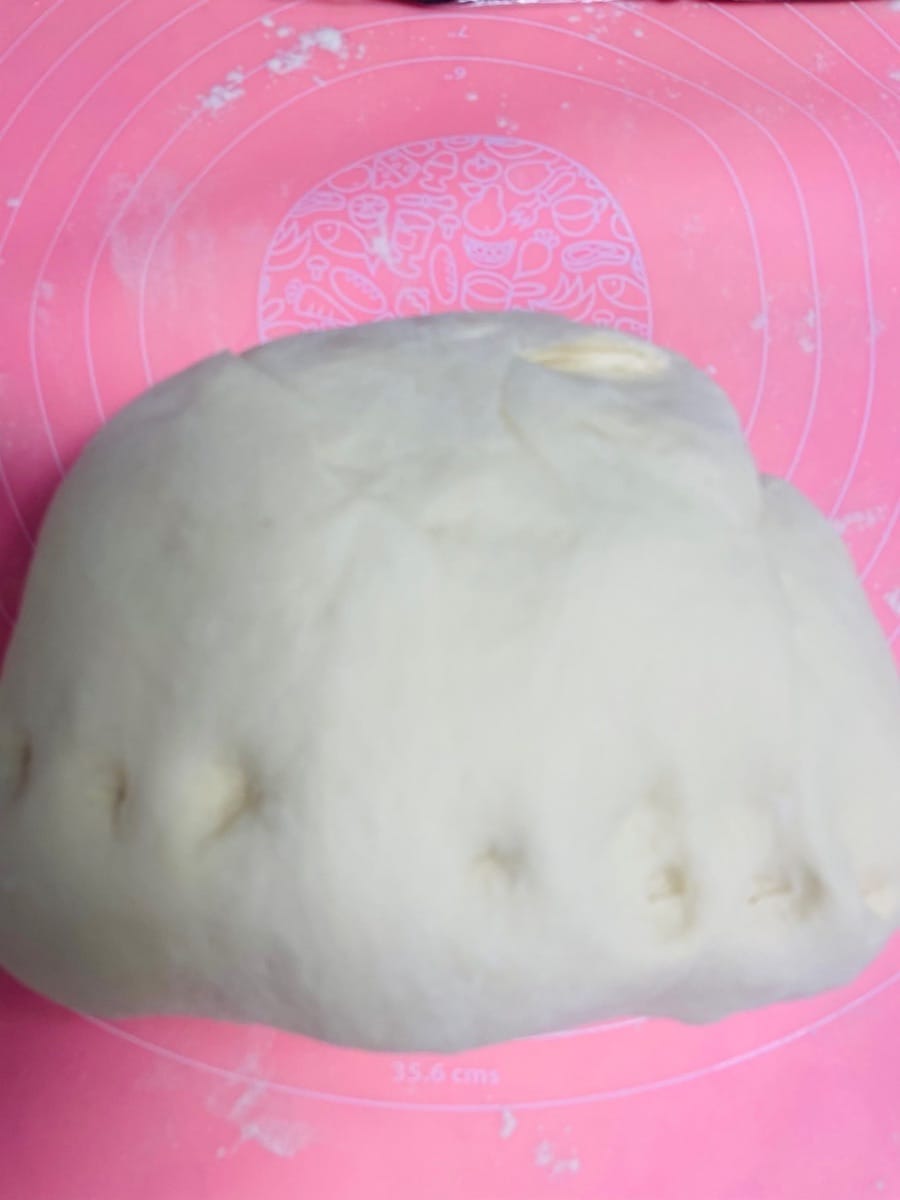
  19. Take out the fermented dough, sprinkle some dry flour on the work surface to prevent sticking, and gently knead it a few times to release the air until the surface is smooth. Do not over-knead.
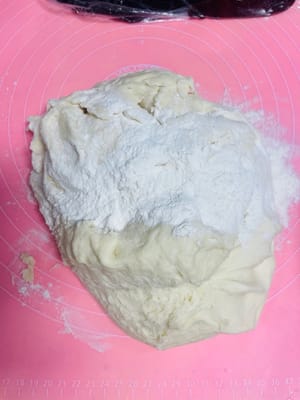
    Take out the fermented dough, sprinkle some dry flour on the work surface to prevent sticking, and gently knead it a few times to release the air until the surface is smooth. Do not over-knead. Take out the fermented dough, sprinkle some dry flour on the work surface to prevent sticking, and gently knead it a few times to release the air until the surface is smooth. Do not over-knead.
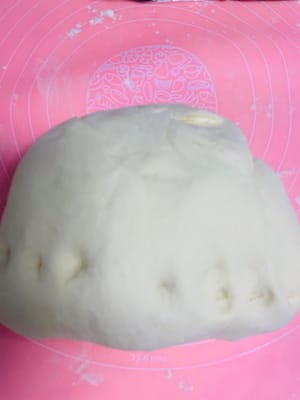
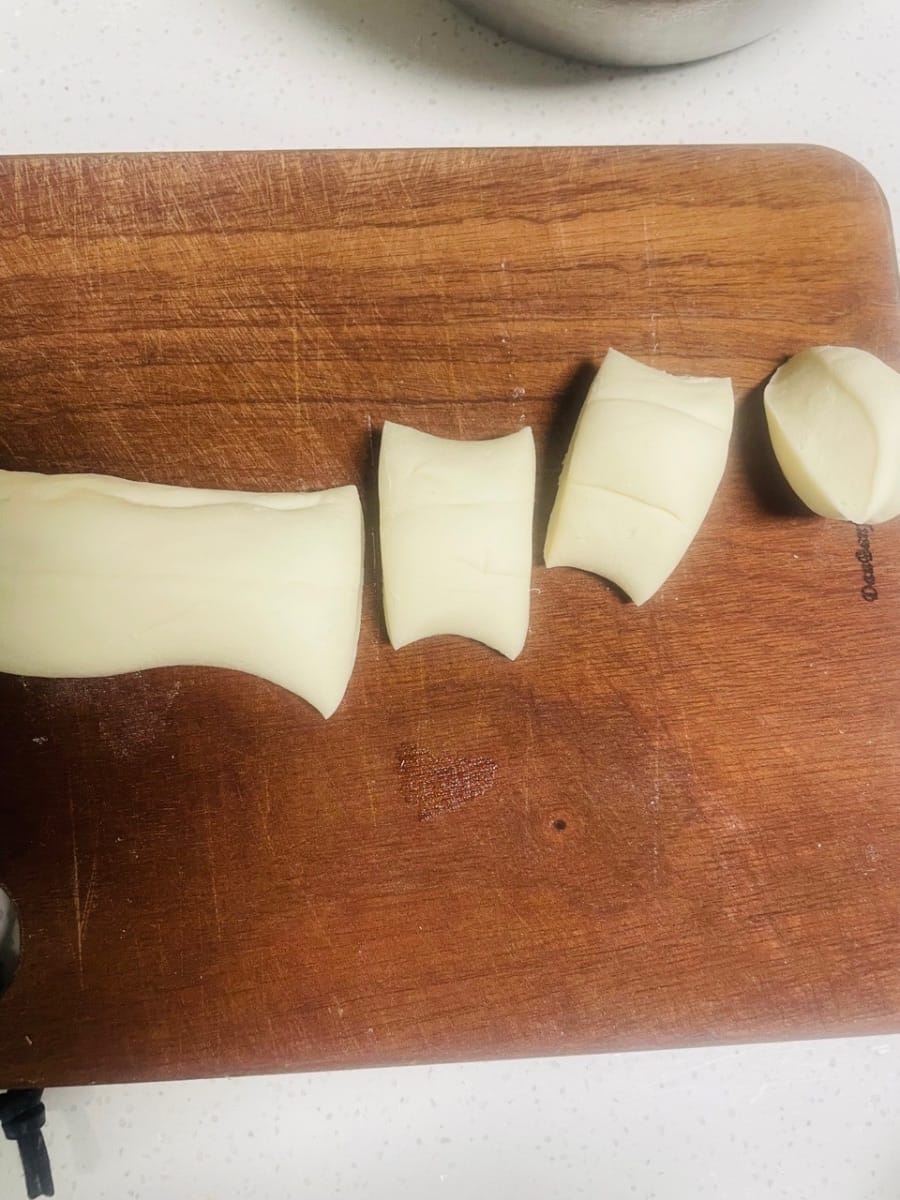
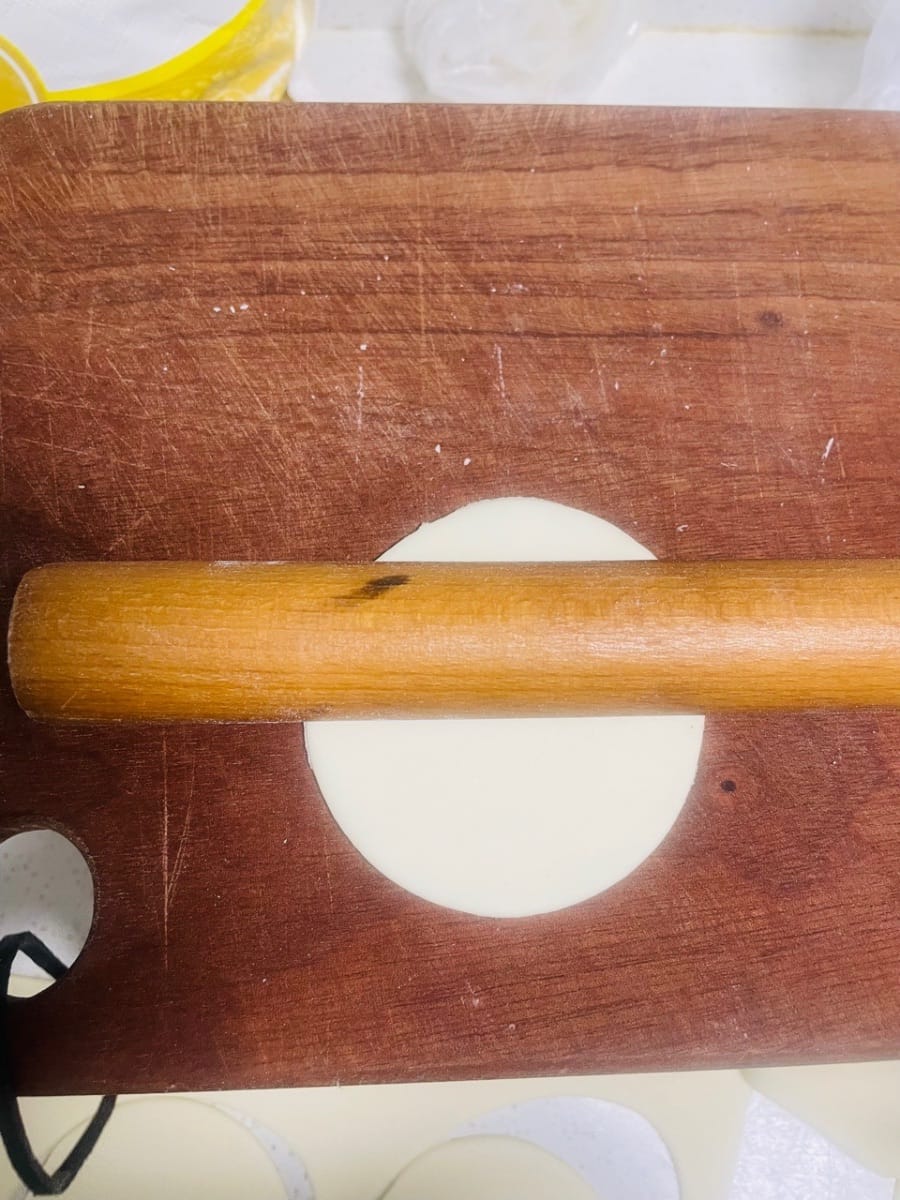
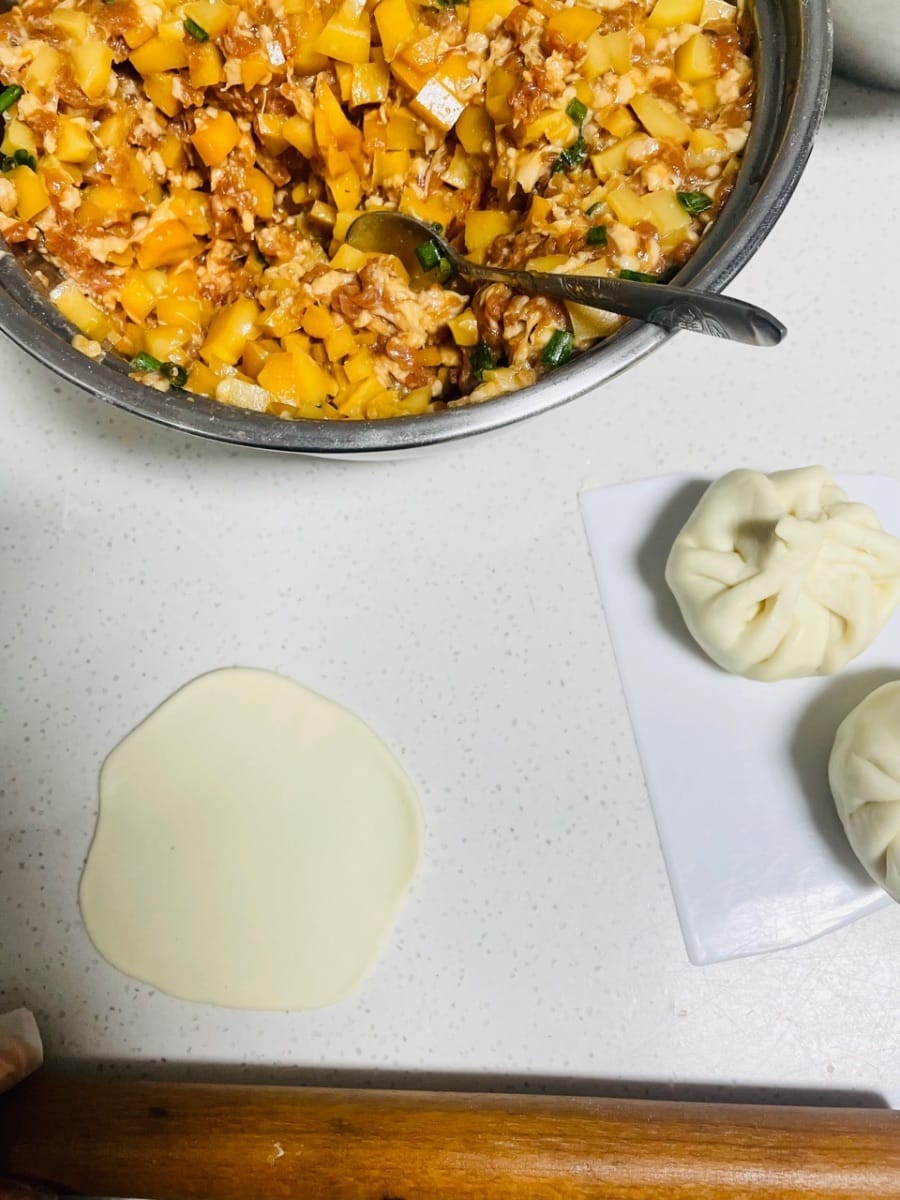
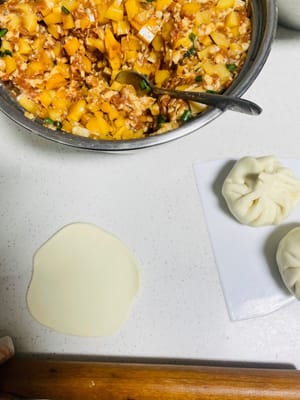
  20. Divide the dough into portions of about 40g each, and roll them out into round pieces about 2mm thick, slightly larger and thinner than dumpling wrappers.
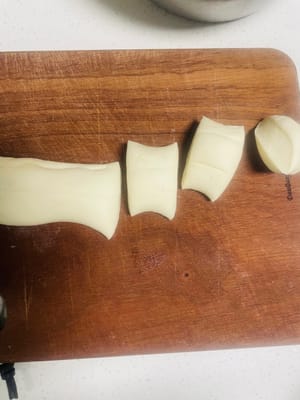
    Divide the dough into portions of about 40g each, and roll them out into round pieces about 2mm thick, slightly larger and thinner than dumpling wrappers. Divide the dough into portions of about 40g each, and roll them out into round pieces about 2mm thick, slightly larger and thinner than dumpling wrappers.
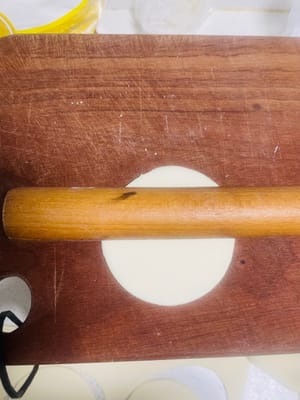
  21. Making steamed buns & steaming dumplings
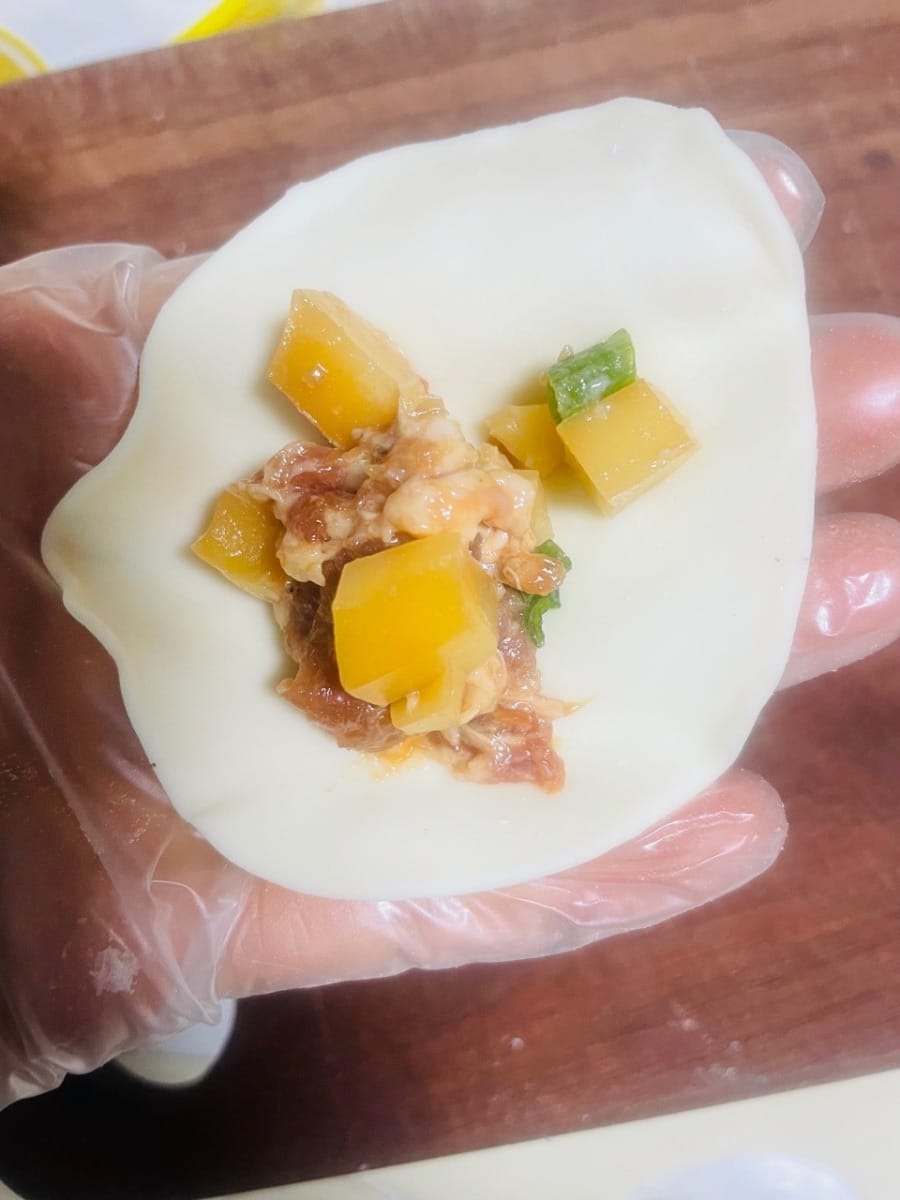
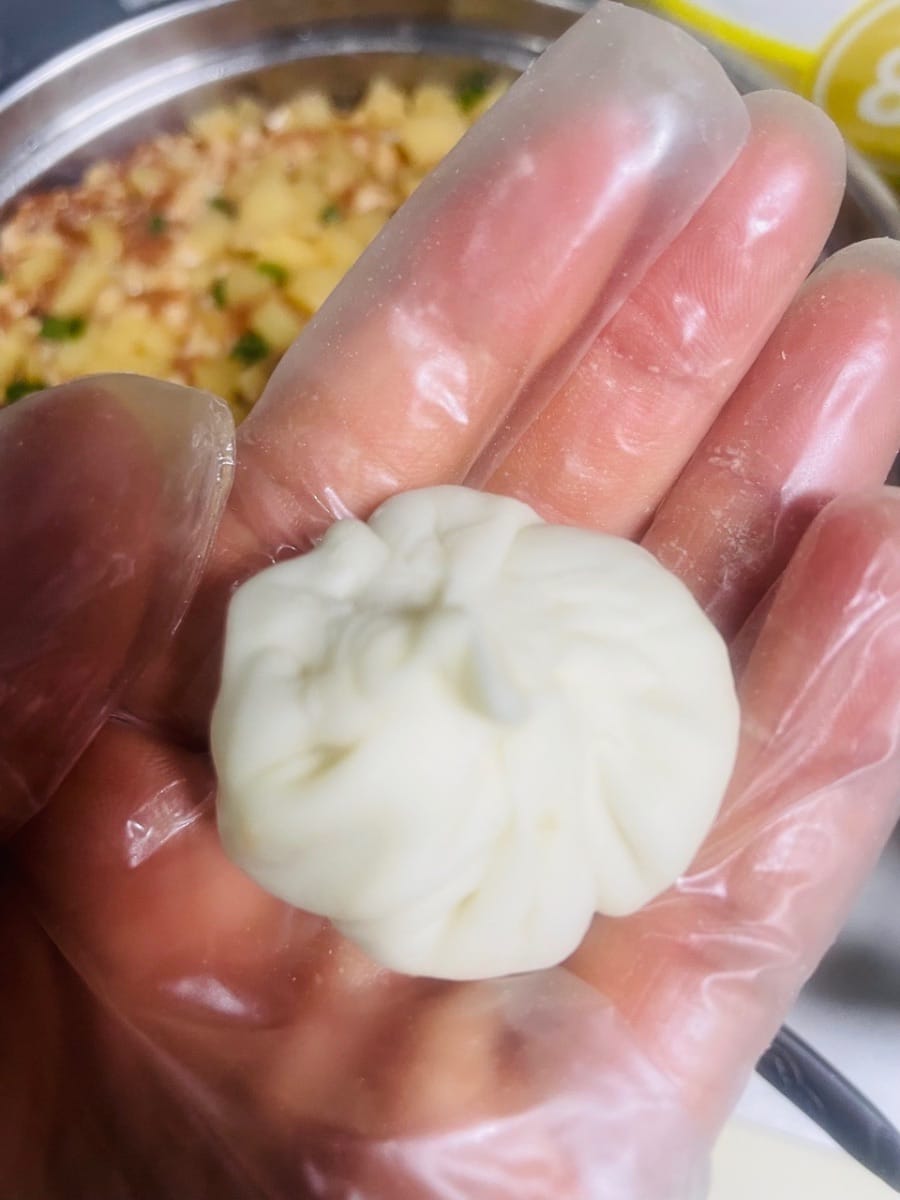
  22. Take a piece of dough, put a large spoonful of meat filling in it, pinch it into pleats like making a bun, and seal it tightly to prevent the aspic from leaking out.
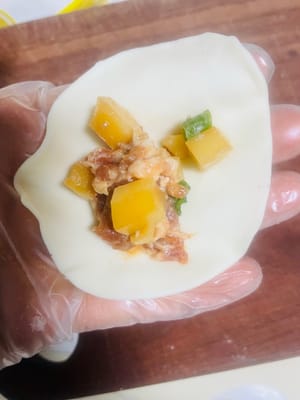
    Take a piece of dough, put a large spoonful of meat filling in it, pinch it into pleats like making a bun, and seal it tightly to prevent the aspic from leaking out. Take a piece of dough, put a large spoonful of meat filling in it, pinch it into pleats like making a bun, and seal it tightly to prevent the aspic from leaking out. Take a piece of dough, put a large spoonful of meat filling in it, pinch it into pleats like making a bun, and seal it tightly to prevent the aspic from leaking out.
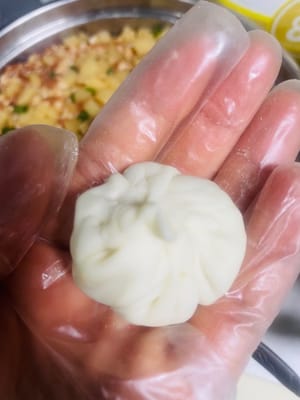
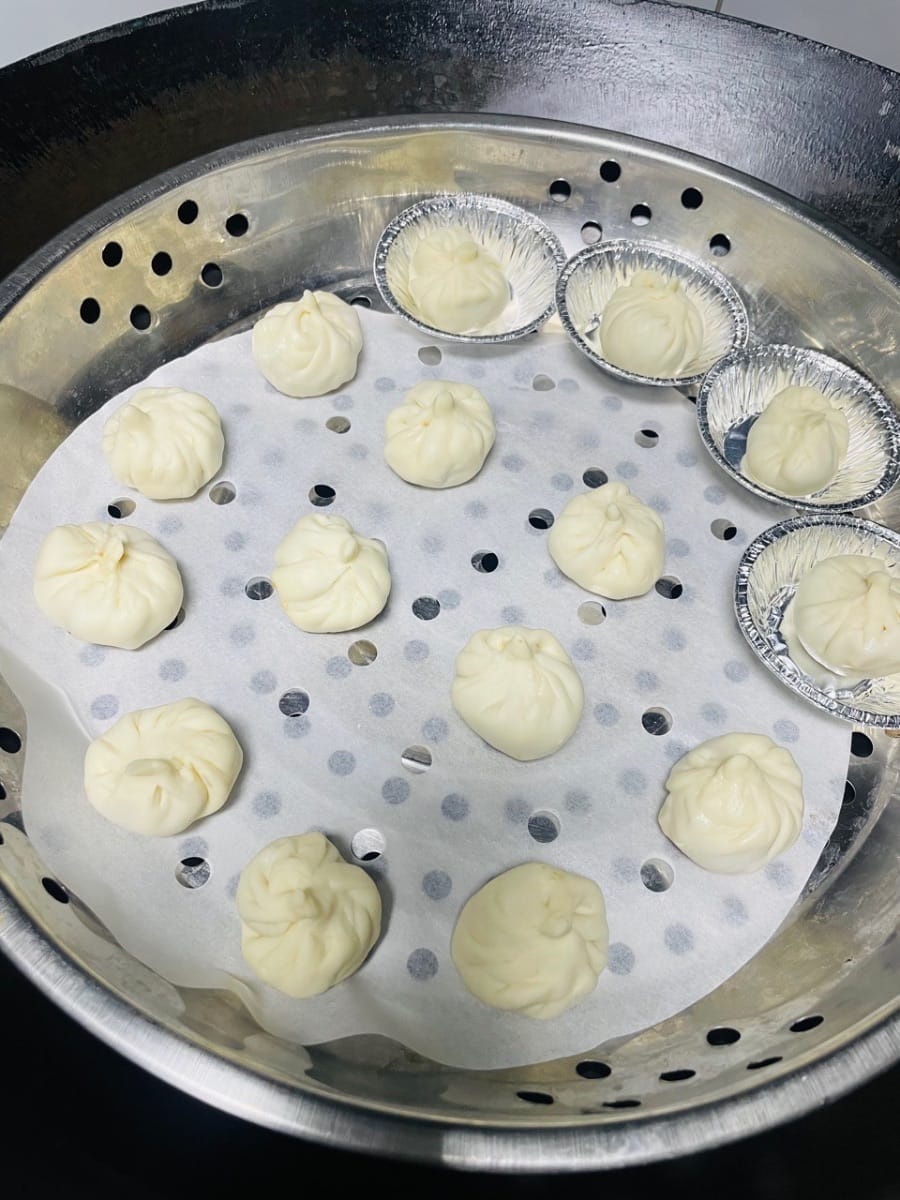
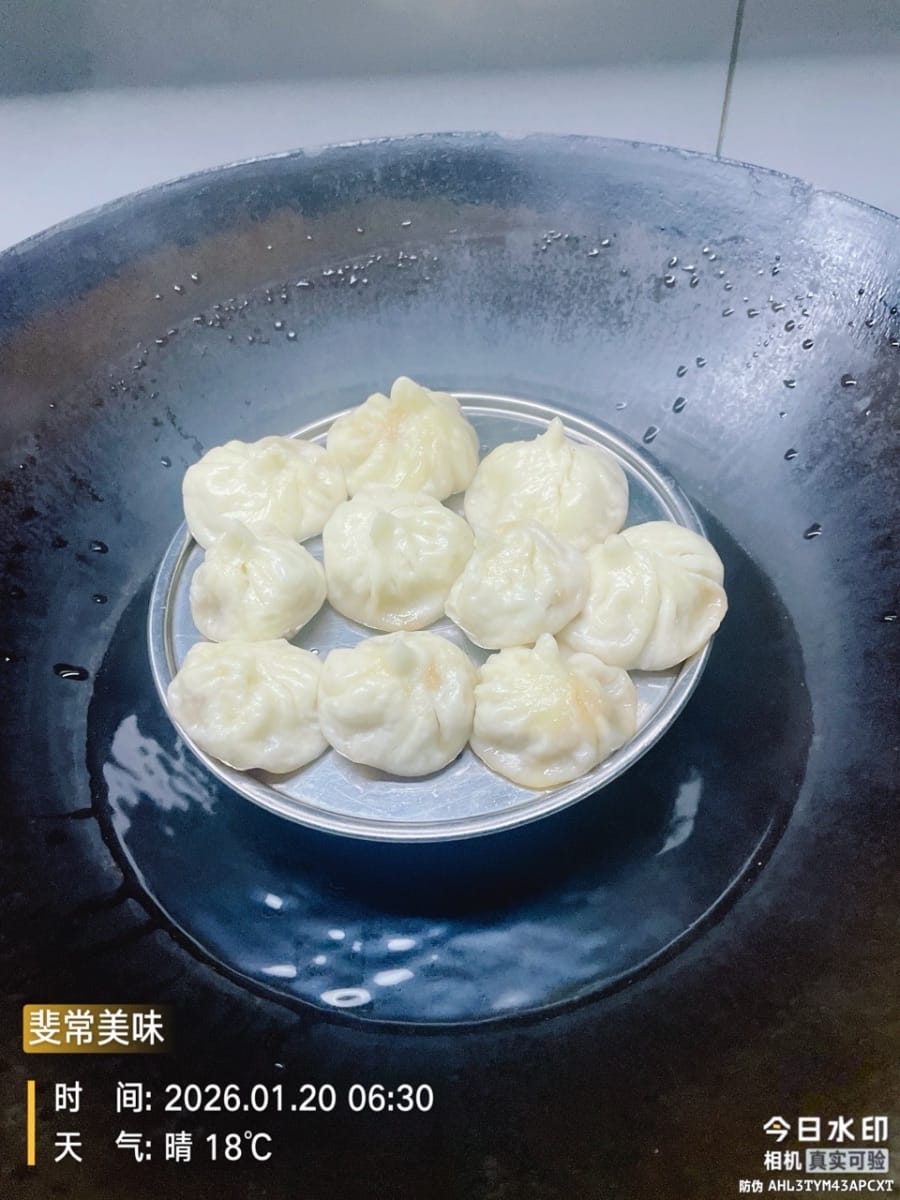
  23. Place the buns in a steamer, add hot water, and let them rise for 10 minutes (because it's semi-fermented dough, the second rise makes them softer). After the water boils, steam over high heat for 12 minutes, then turn off the heat and let them sit for 3 minutes before opening the lid. It's normal for these soup dumplings to shrink as the temperature drops. Eat the freshly steamed buns while they're hot. They'll burst with juice when you gently poke them with chopsticks—be careful, they'll burn your mouth! Semi-fermented dough isn't as easy to shape as unfermented dough, so slight deformation after steaming is normal and doesn't affect the taste at all!
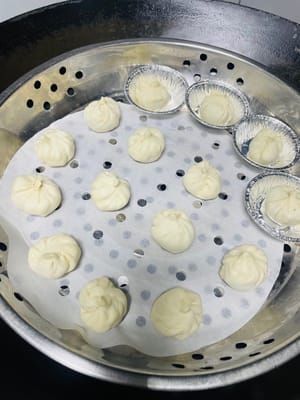
    Place the buns in a steamer, add hot water, and let them rise for 10 minutes (because it's semi-fermented dough, the second rise makes them softer). After the water boils, steam over high heat for 12 minutes, then turn off the heat and let them sit for 3 minutes before opening the lid. It's normal for these soup dumplings to shrink as the temperature drops.

Eat the freshly steamed buns while they're hot. They'll burst with juice when you gently poke them with chopsticks—be careful, they'll burn your mouth! Semi-fermented dough isn't as easy to shape as unfermented dough, so slight deformation after steaming is normal and doesn't affect the taste at all! Place the buns in a steamer, add hot water, and let them rise for 10 minutes (because it's semi-fermented dough, the second rise makes them softer). After the water boils, steam over high heat for 12 minutes, then turn off the heat and let them sit for 3 minutes before opening the lid. It's normal for these soup dumplings to shrink as the temperature drops.
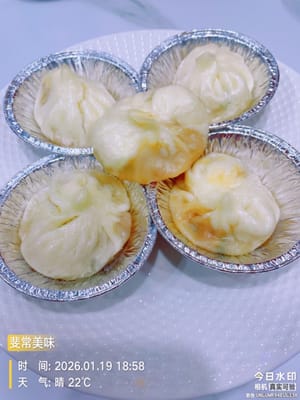
Eat the freshly steamed buns while they're hot. They'll burst with juice when you gently poke them with chopsticks—be careful, they'll burn your mouth! Semi-fermented dough isn't as easy to shape as unfermented dough, so slight deformation after steaming is normal and doesn't affect the taste at all! Place the buns in a steamer, add hot water, and let them rise for 10 minutes (because it's semi-fermented dough, the second rise makes them softer). After the water boils, steam over high heat for 12 minutes, then turn off the heat and let them sit for 3 minutes before opening the lid. It's normal for these soup dumplings to shrink as the temperature drops.
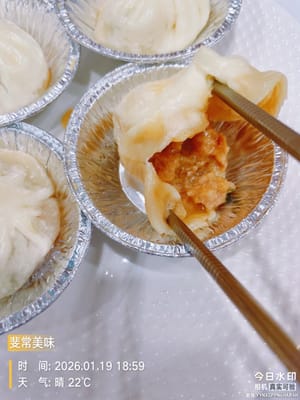
Eat the freshly steamed buns while they're hot. They'll burst with juice when you gently poke them with chopsticks—be careful, they'll burn your mouth! Semi-fermented dough isn't as easy to shape as unfermented dough, so slight deformation after steaming is normal and doesn't affect the taste at all!
  24. I steamed it again in the morning, and it was still just as soft and fluffy. It's super convenient for making breakfast for the kids!
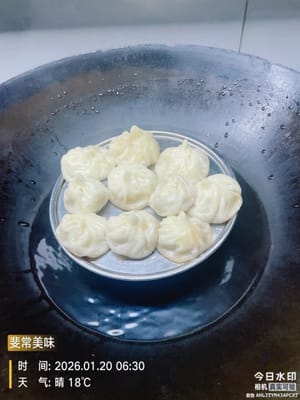
    I steamed it again in the morning, and it was still just as soft and fluffy. It's super convenient for making breakfast for the kids!
  25. This filling makes incredibly fragrant dumplings. They come out tender and juicy after cooking, much better than store-bought ones.
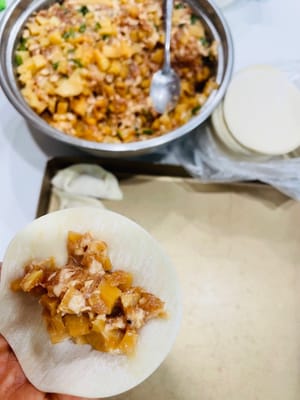
    This filling makes incredibly fragrant dumplings. They come out tender and juicy after cooking, much better than store-bought ones.
Languages
Saftige, halbfermentierte Teigtaschen für Suppe - Deutsch (German) version
Juicy Semi-Fermented Dough Soup Dumplings - English version
Jugosas albóndigas de sopa semifermentadas - Español (Spanish) version
Boulettes de pâte semi-fermentée juteuses en soupe - Français (French) version
Pangsit Sup Adonan Setengah Fermentasi yang Lezat - Bahasa Indonesia (Indonesian) version
Ravioli di zuppa semi-fermentati e succosi - Italiana (Italian) version
ジューシーな半発酵スープ餃子 - 日本語 (Japanese) version
육즙 가득한 반발효 만두 - 한국인 (Korean) version
เกี๊ยวน้ำแป้งหมักครึ่งสุกฉ่ำ - แบบไทย (Thai) version
爆汁半發面湯包 - 香港繁體中文 (Traditional Chinese - Hong Kong) version