Sticky Rice Chili Paste (Southwest China Specialty)
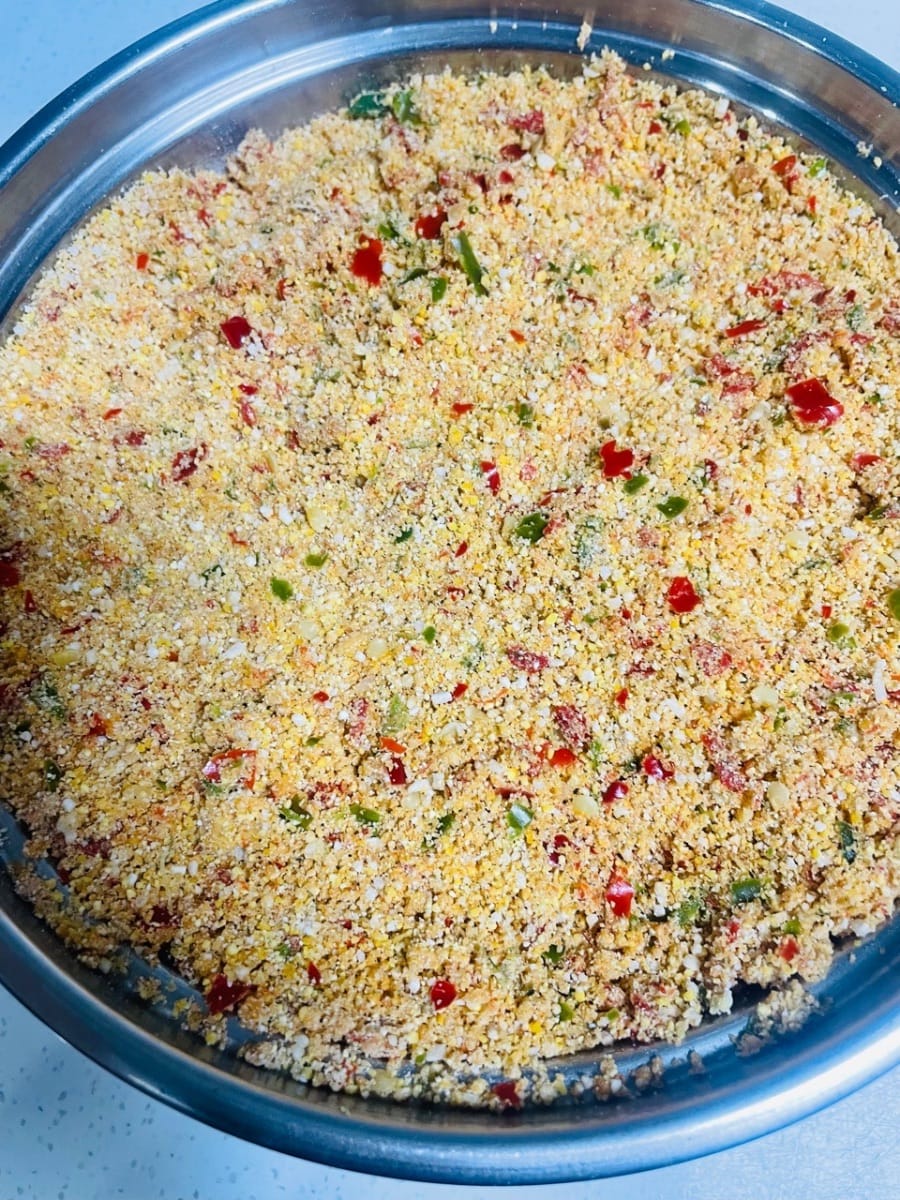
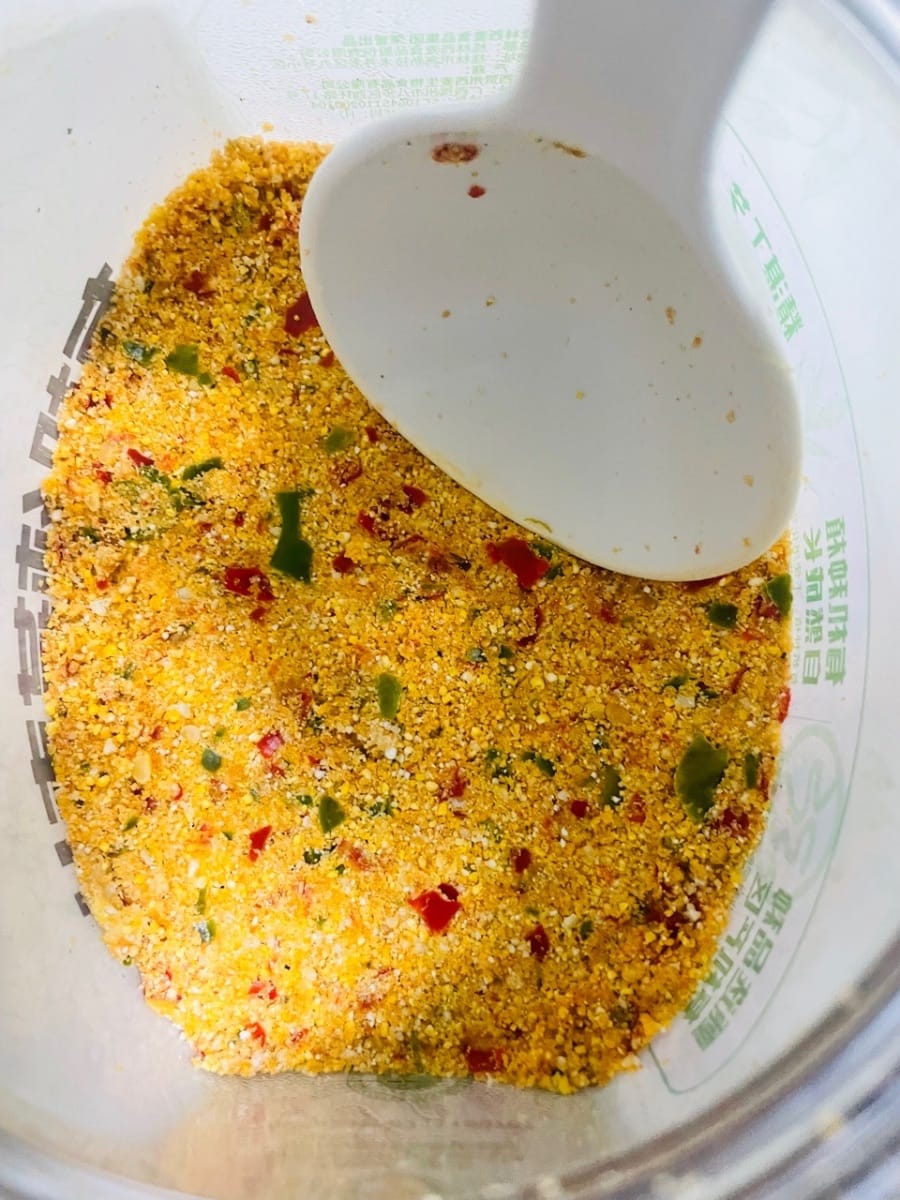
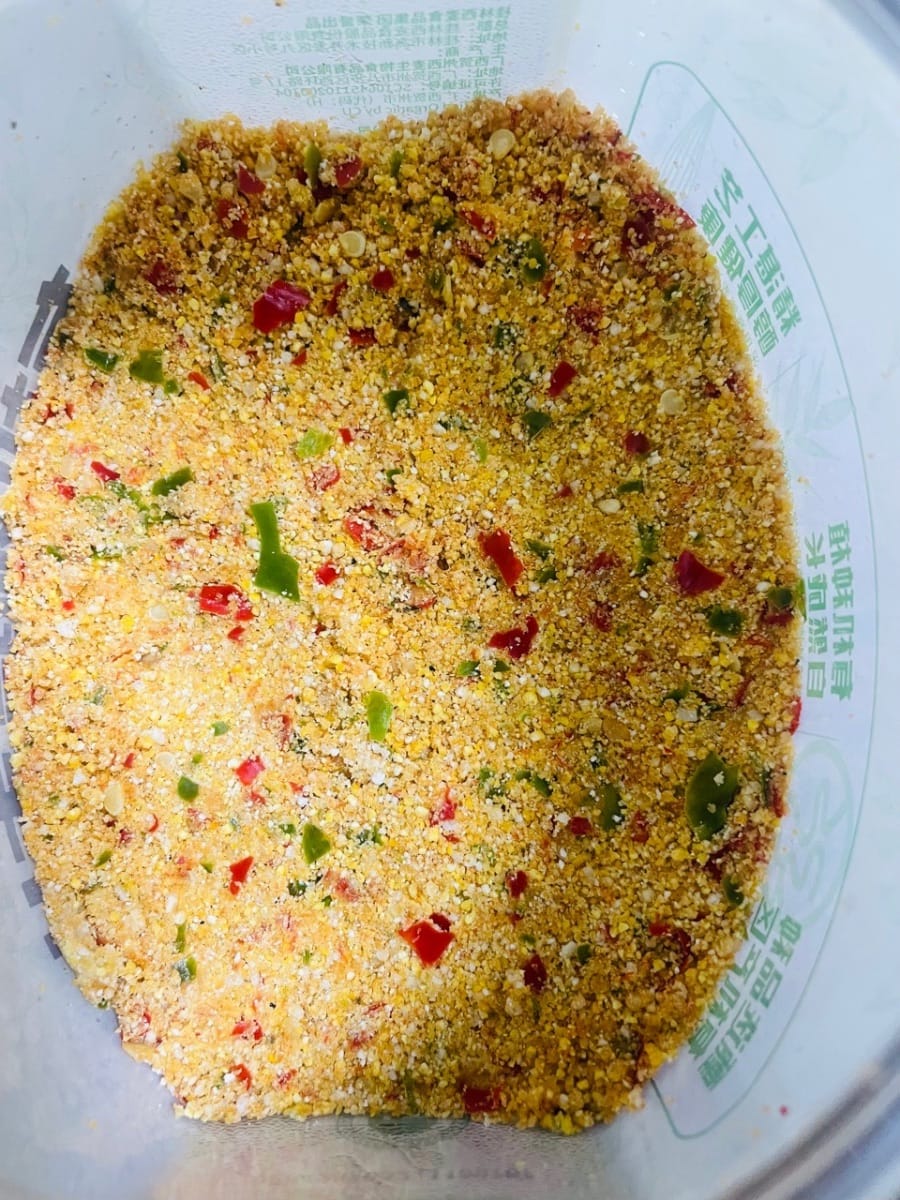
This is a must-have on the dining tables of Yunnan, Hunan, Sichuan, and Chongqing – handmade chili flakes! Look at this bowl, the golden powder particles are mixed with bright red chili flakes, the grains are coarse and chewy, and because of the addition of glutinous rice, they also have a slightly sticky and chewy texture, making your mouth water just looking at it. After it ferments, the taste is absolutely amazing! It's refreshingly sour without being pungent, and spicy with a mellow aroma that doesn't dry out your throat, with the fragrance of fried rice and corn. It tastes much better than the ready-made ones you buy online. Whether you're stir-frying pork intestines, twice-cooked pork, or frying rice or eggs, just put it in the pan and it instantly becomes a super satisfying dish. You really can't buy this homemade flavor outside.
Ingredients
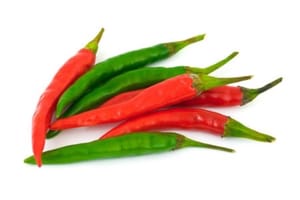
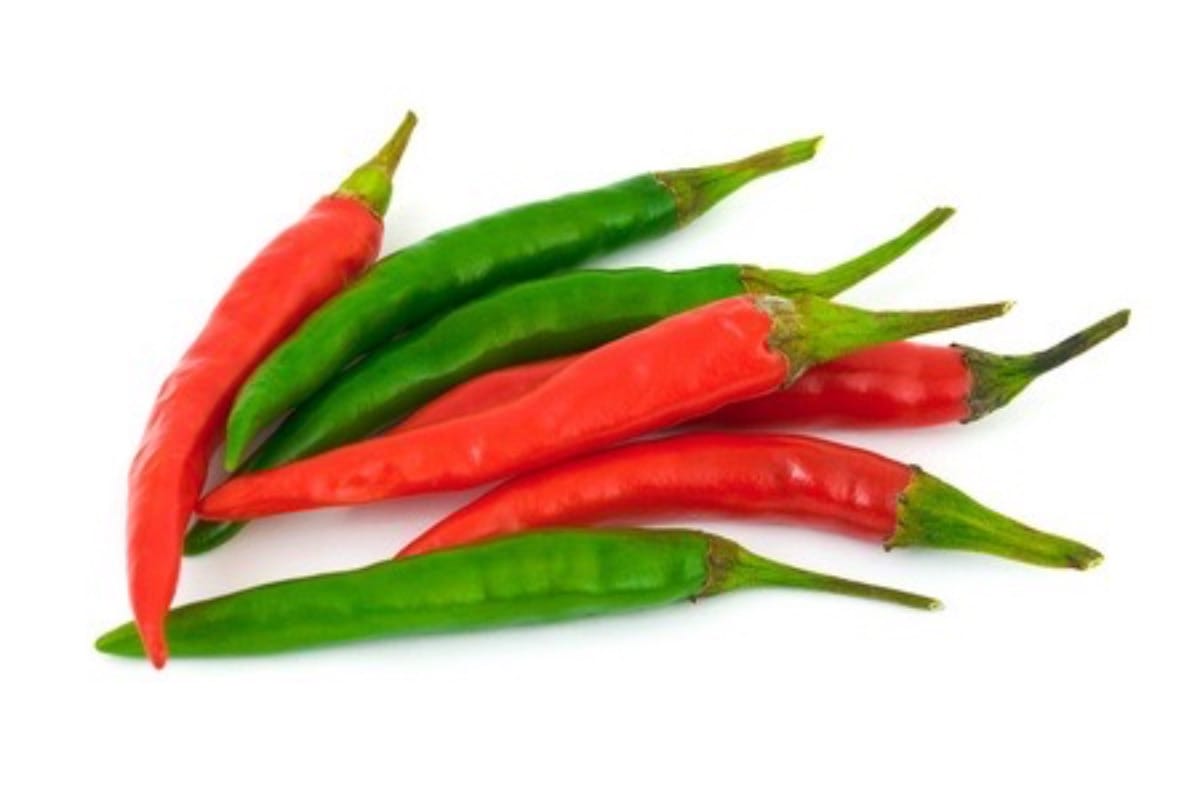
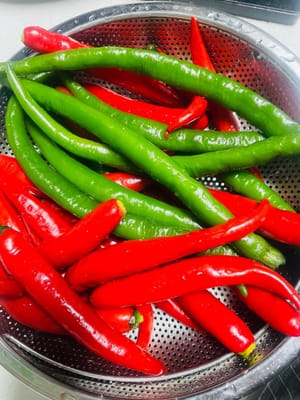
- 500g of green and red bell peppers
- 400g cornmeal

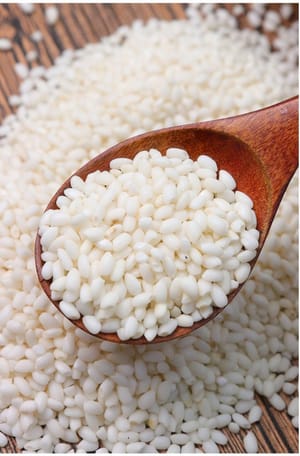
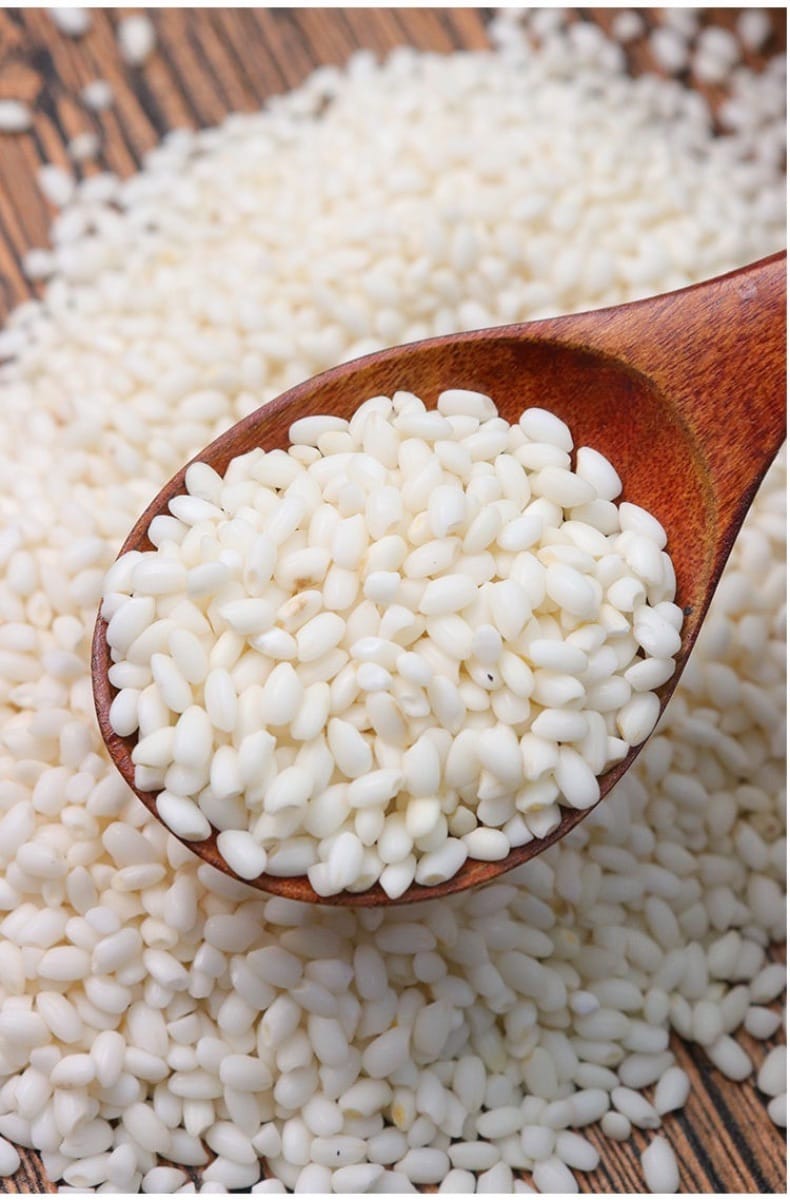
- 150g glutinous rice
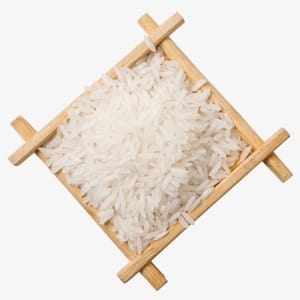
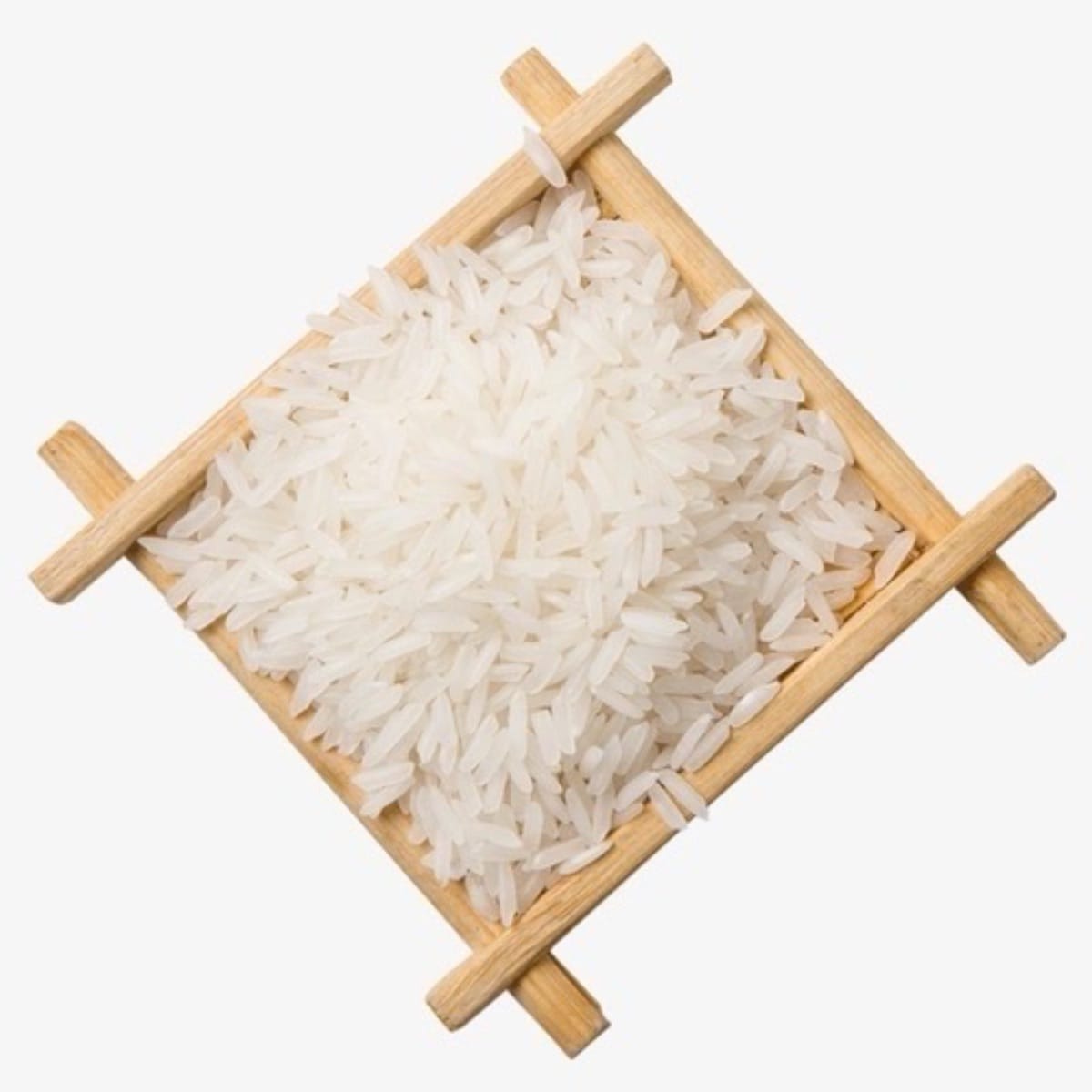
- 250 grams of rice
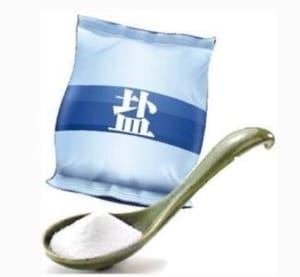
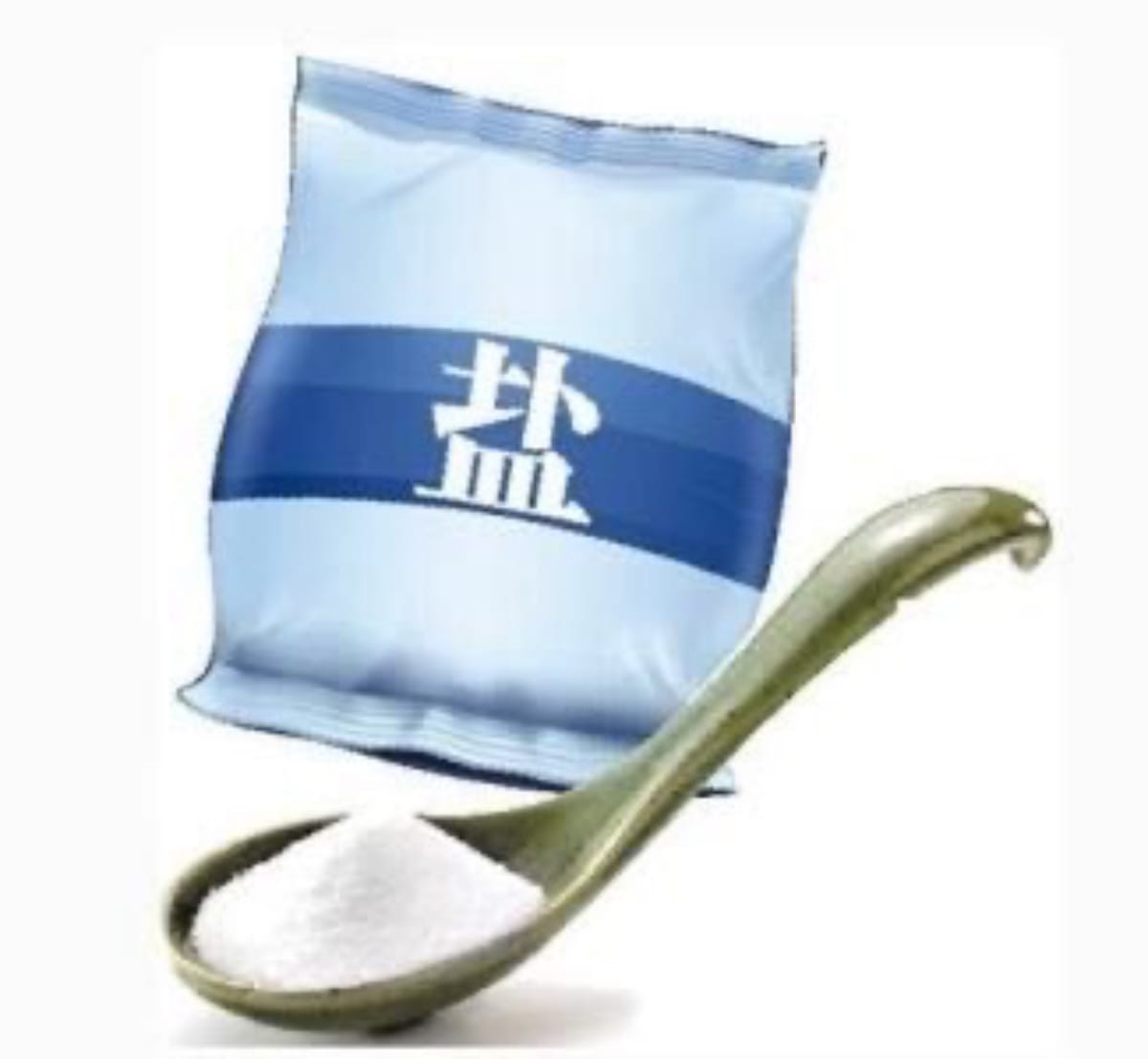
- 50g salt

Steps
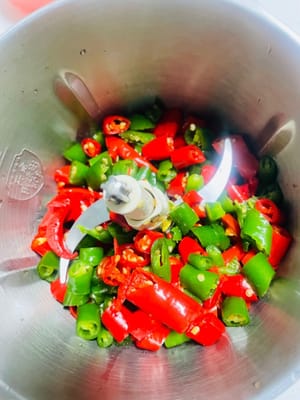
- Wash the green and red peppers, drain them, pat them dry with kitchen paper, chop them, and then put them into a food processor to grind them.

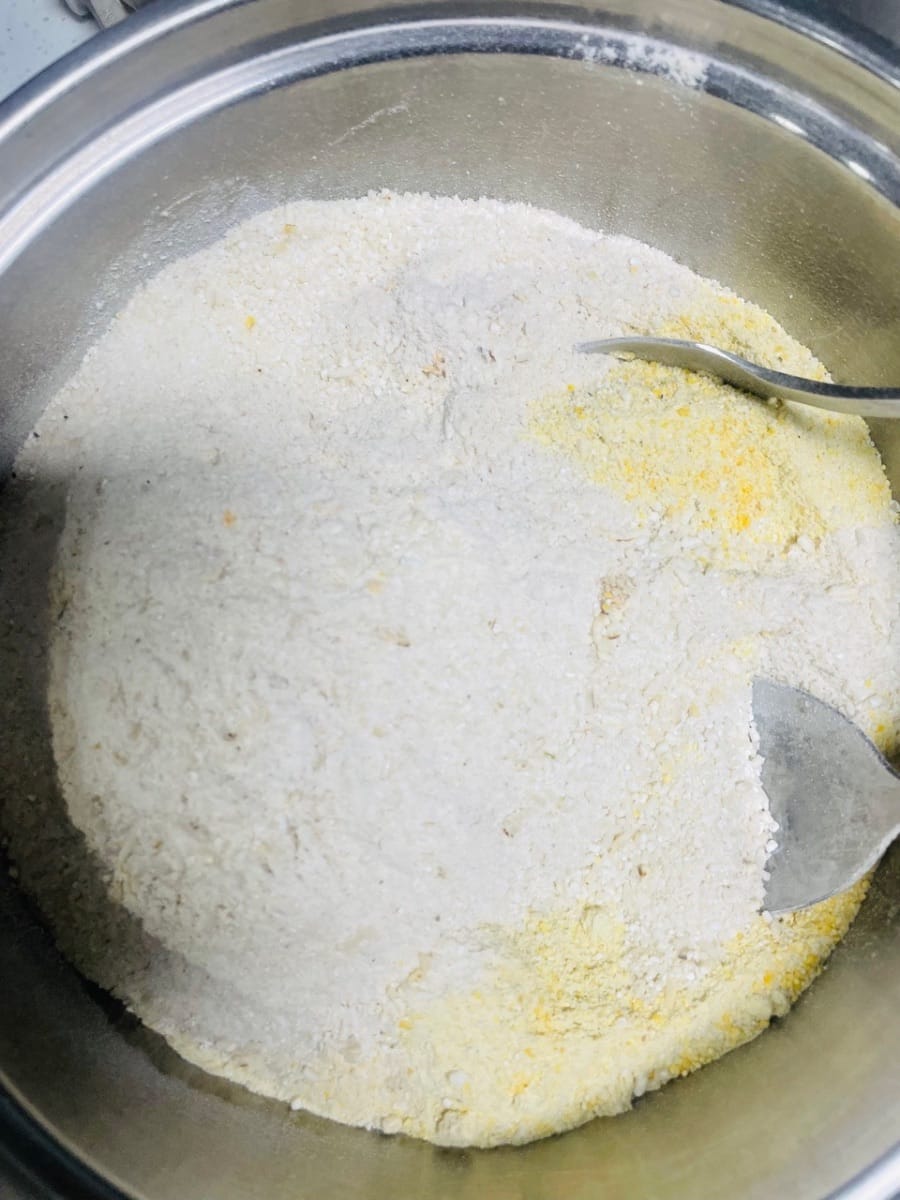
- Dry-fry the rice in a pot until it is slightly browned and set aside. Fry the cornmeal and glutinous rice in the same way until fragrant. If you like the aroma of Sichuan peppercorns, you can add some Sichuan peppercorns to fry together. If you don't like them, you can leave them out. Let them cool after frying.
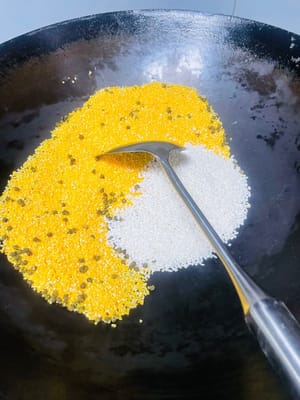
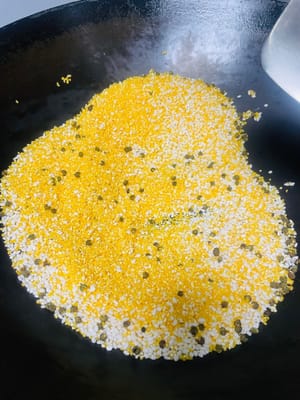
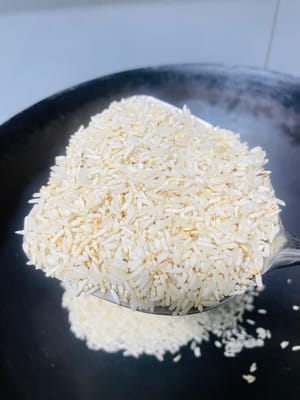
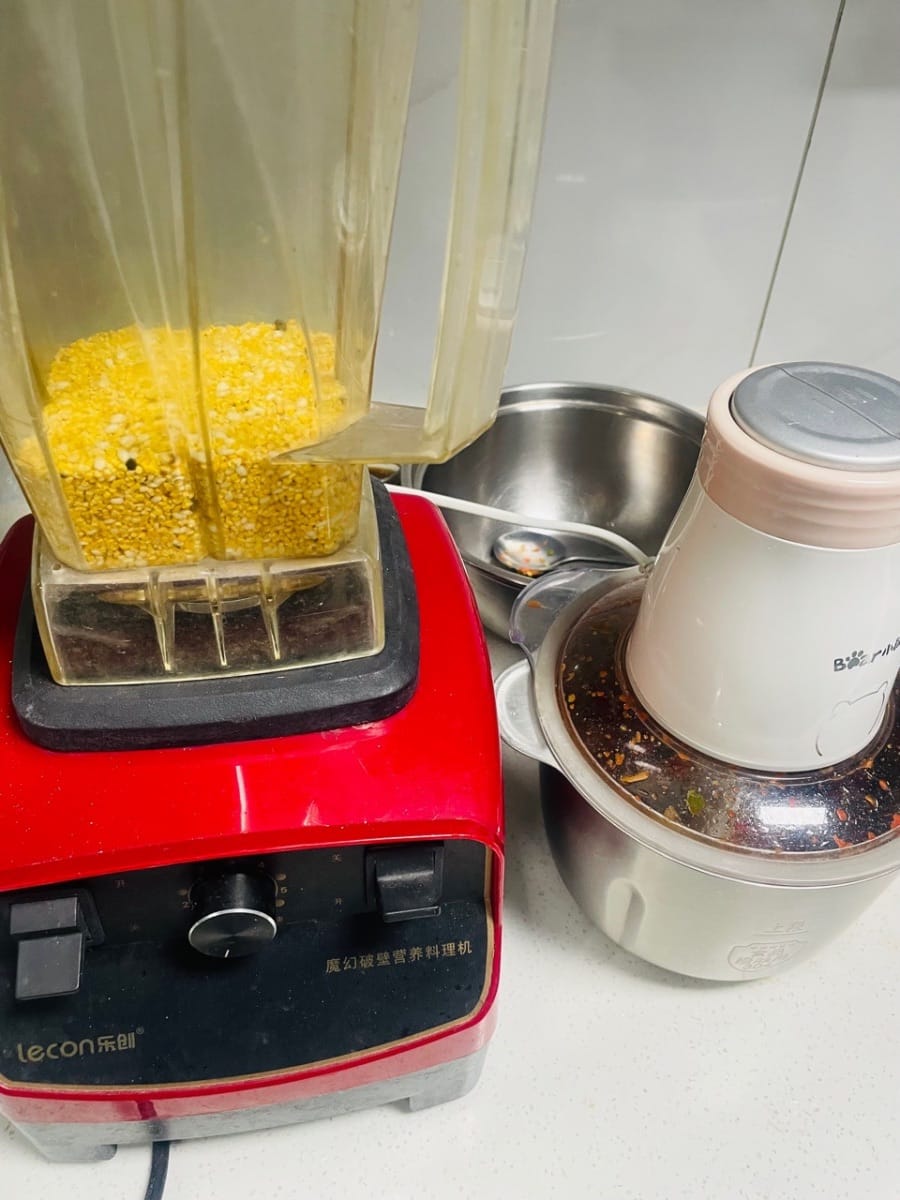
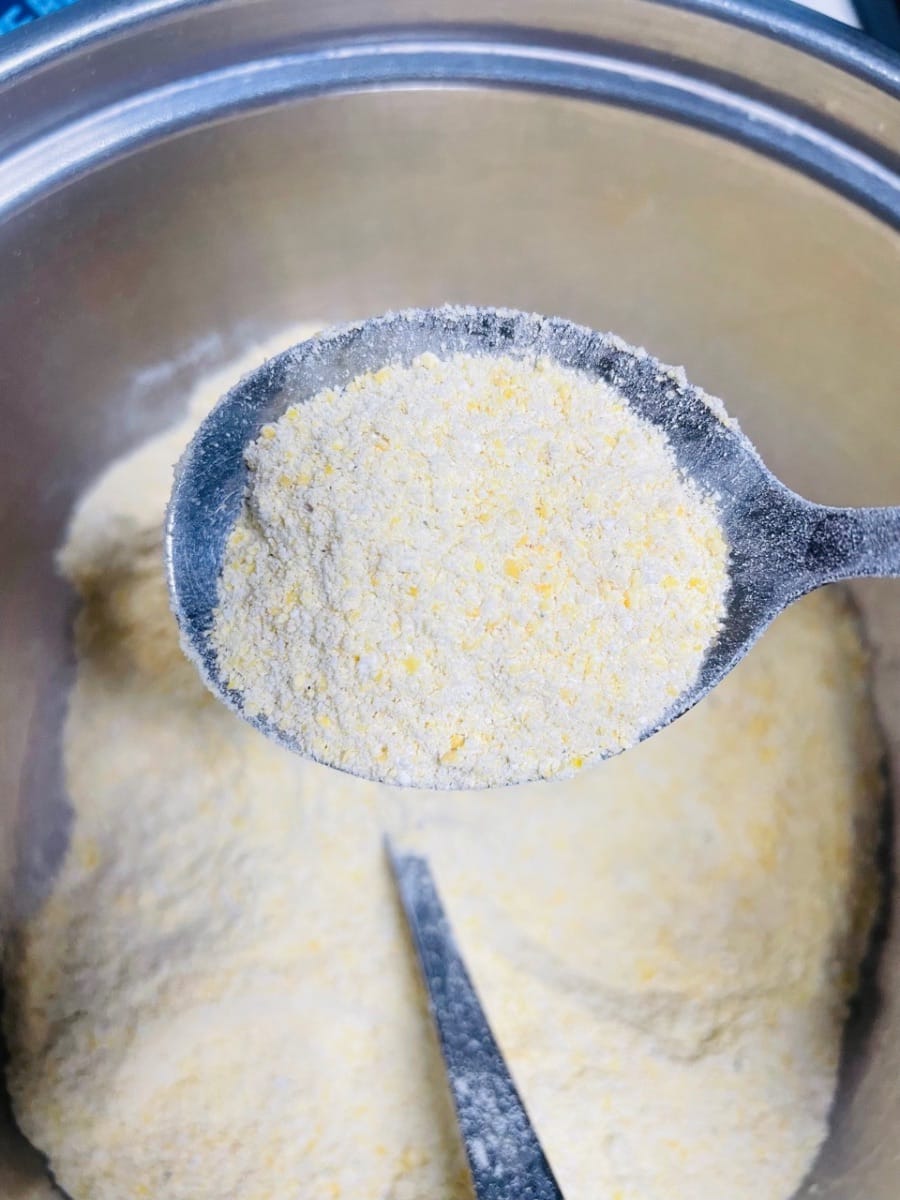
- Put the fried rice, cornmeal, and glutinous rice into a food processor and grind them into a coarse powder. Don't grind it too finely (not as fine as glutinous rice flour or cornstarch). It tastes better with a bit of texture.
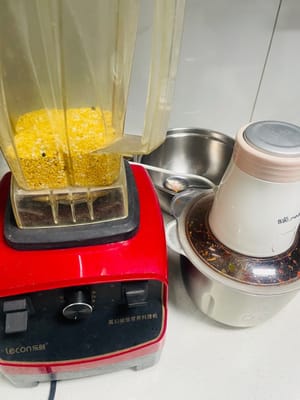
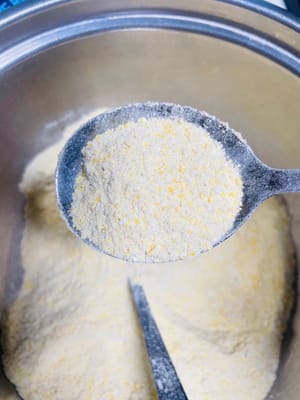
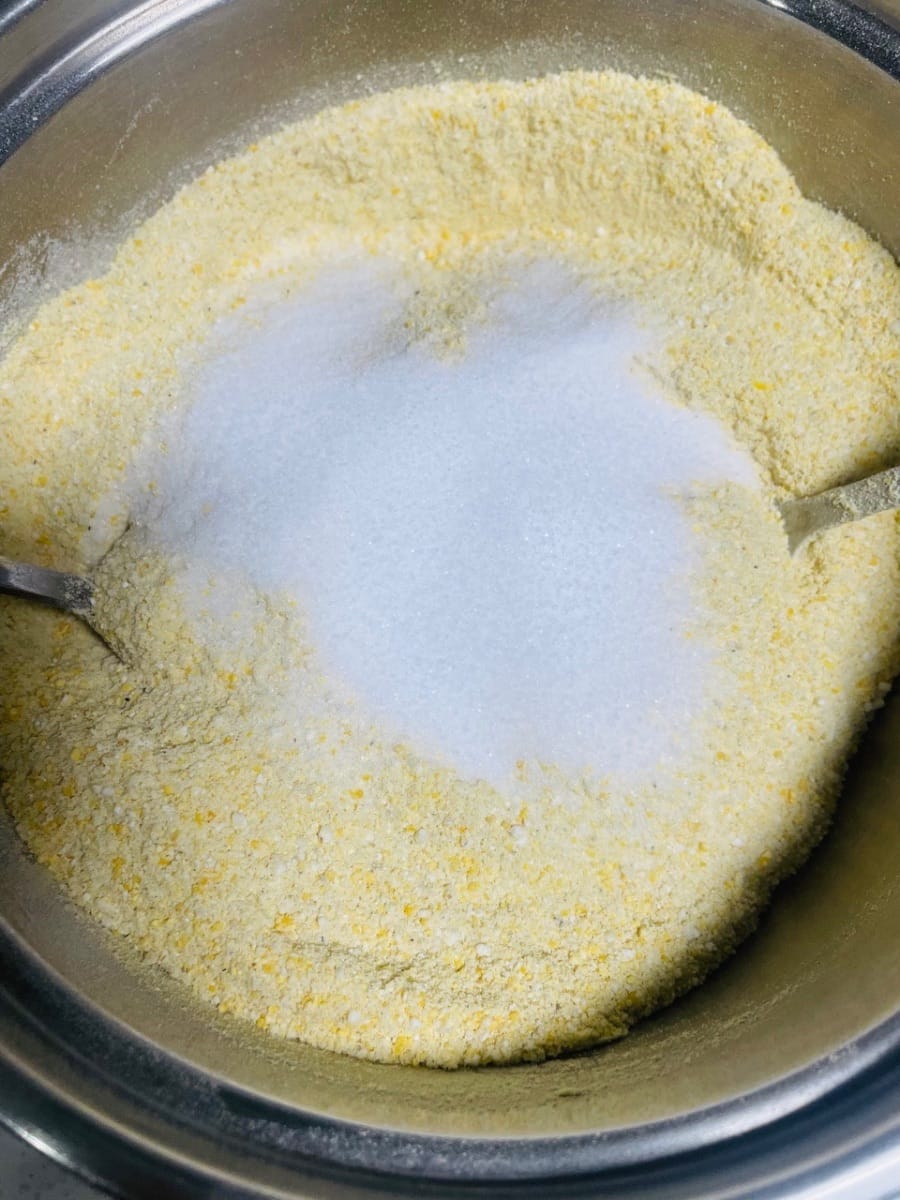
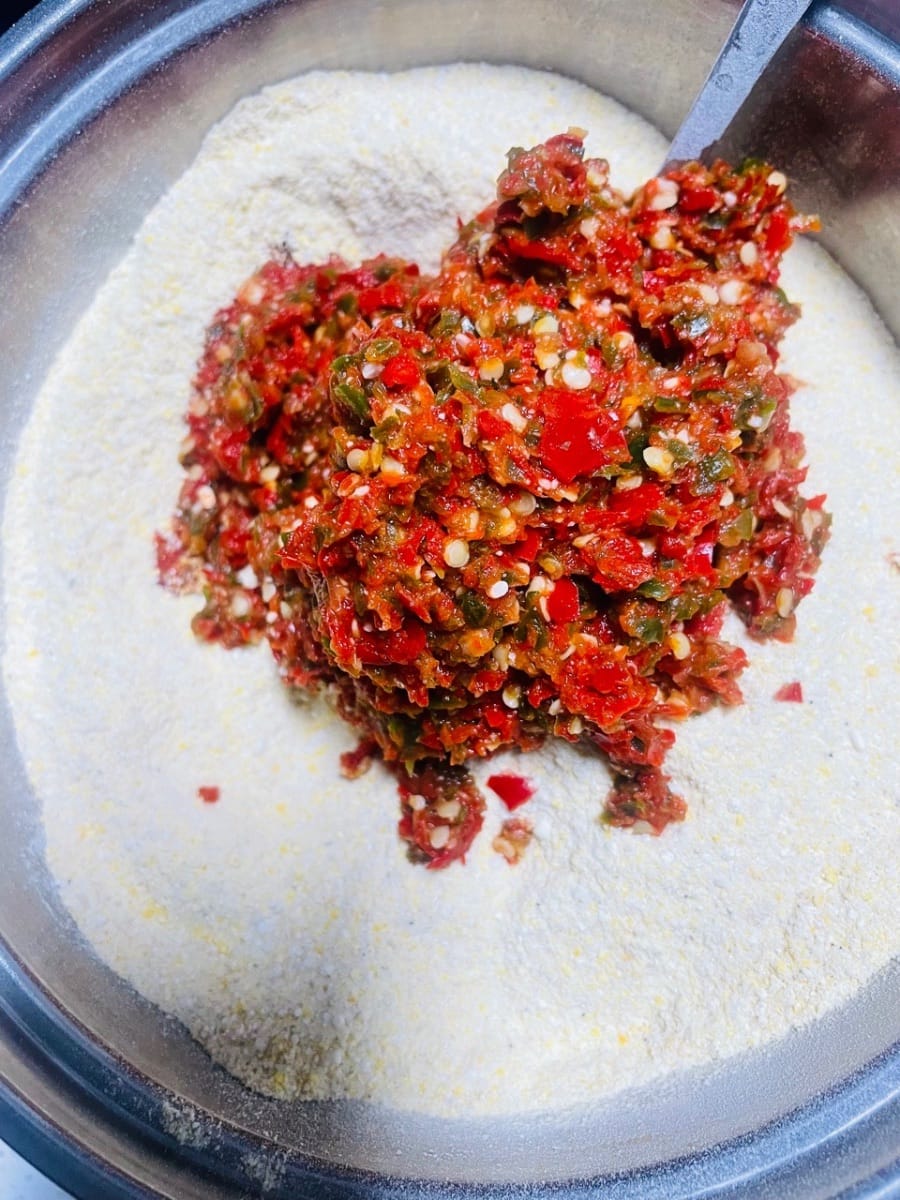
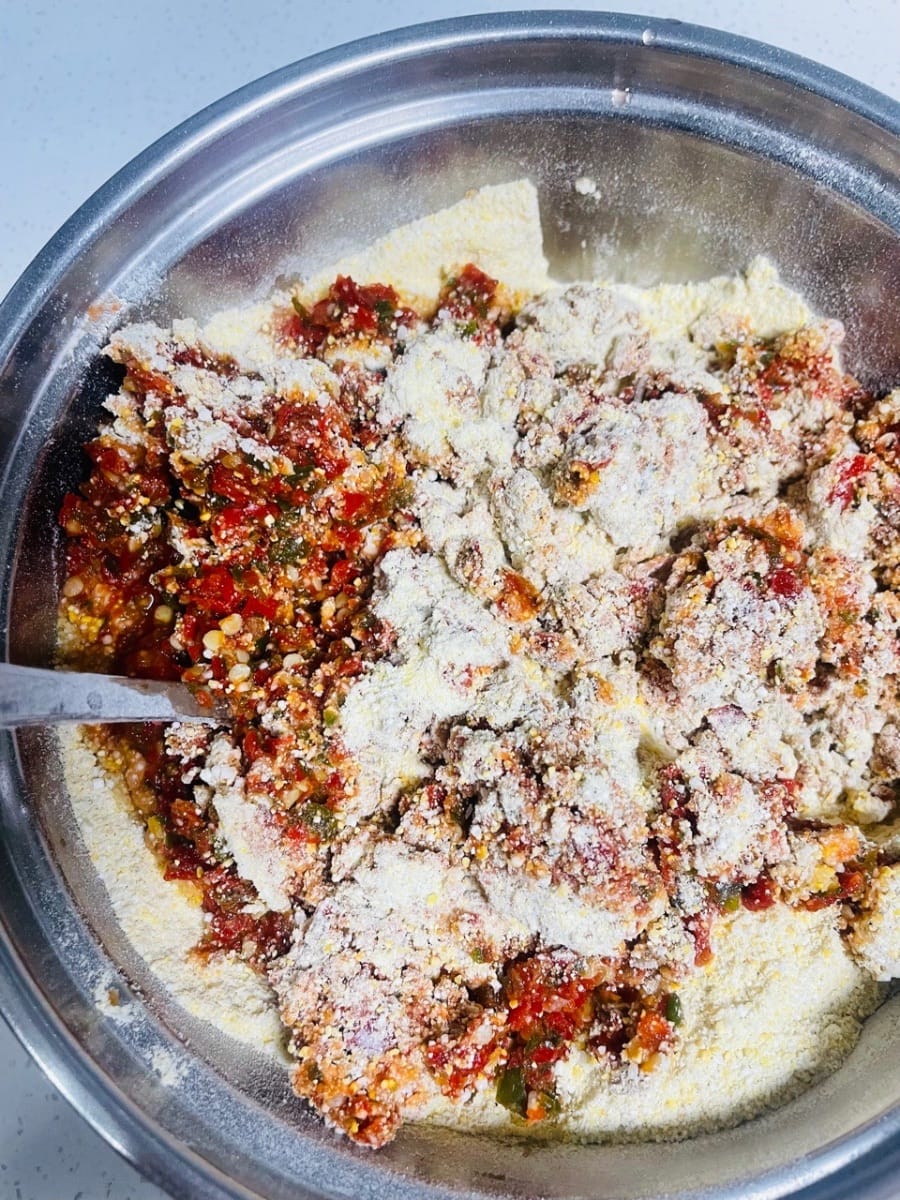
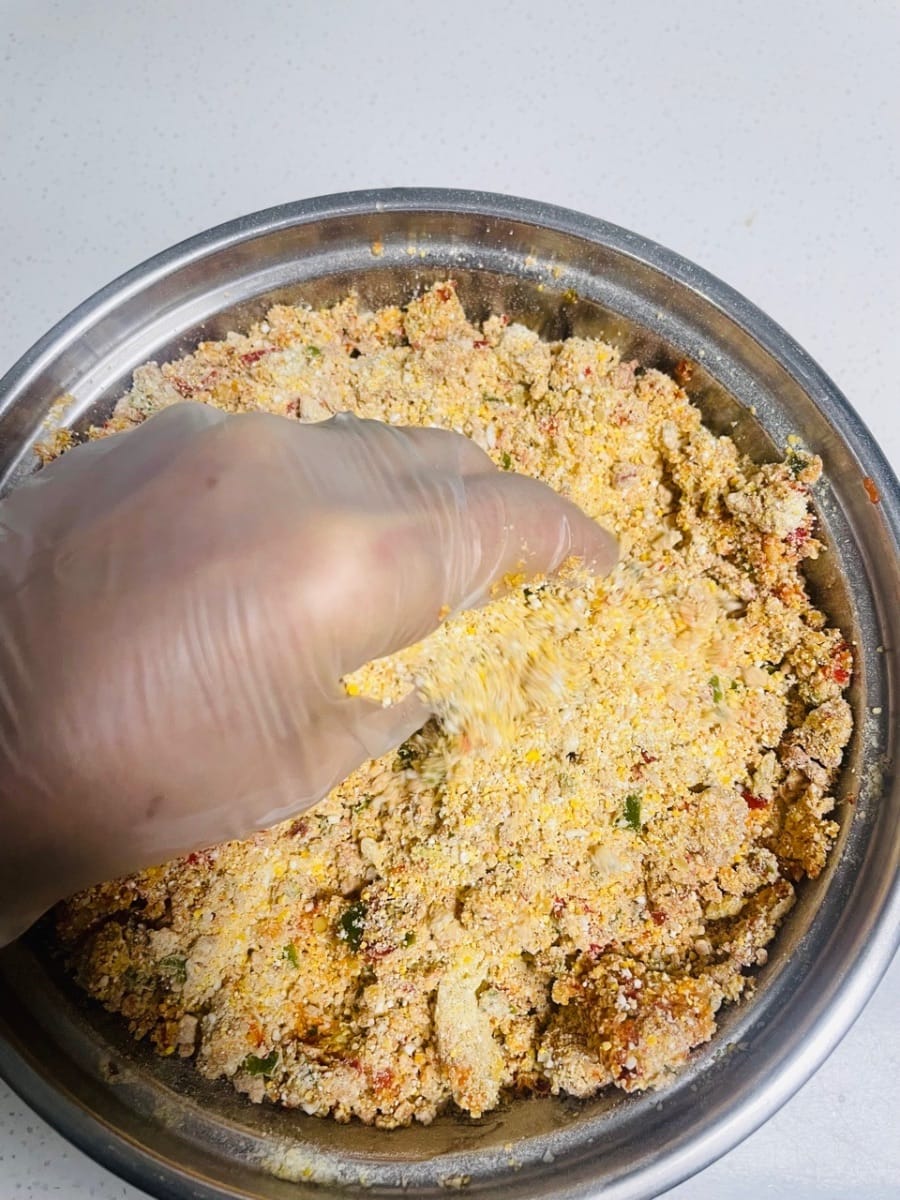
- Add 50 grams of salt to the three ground powders, mix well, then add the crushed chili peppers. Wearing gloves, mix by hand until fully combined. The flavor should be slightly saltier than usual.
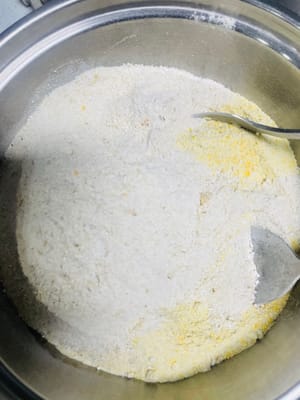
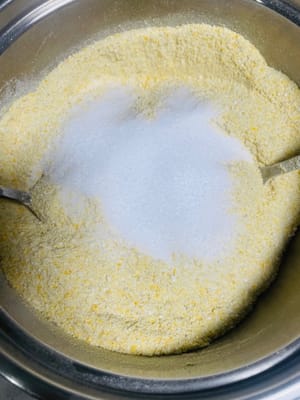

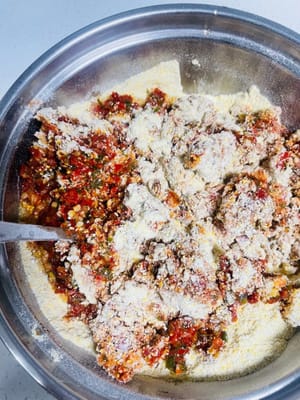
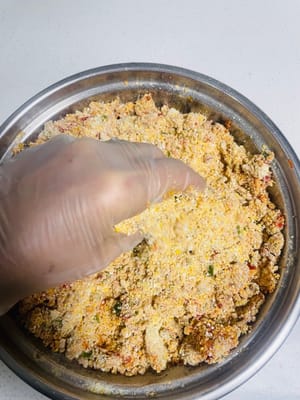
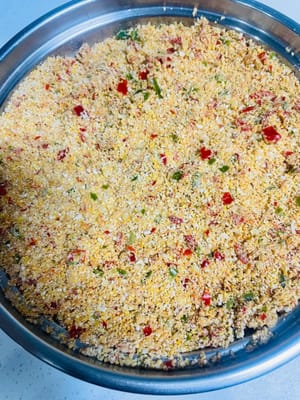
- Pack the mixed chili flakes into a sealed jar, press them tightly, and ferment in an environment of about 15°C for 3–7 days; if the temperature is too high, put it in the refrigerator.

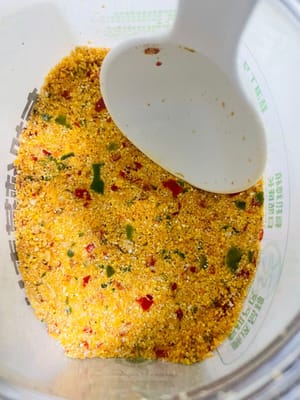
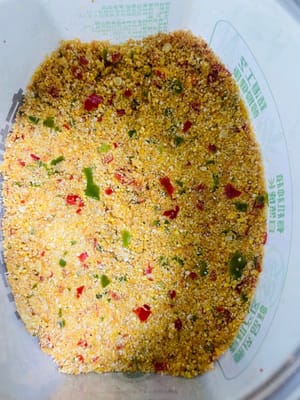
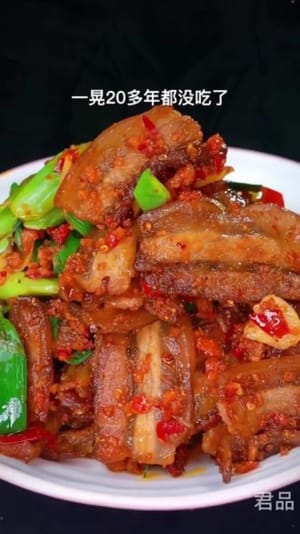
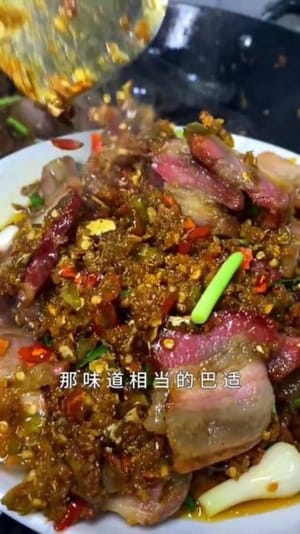
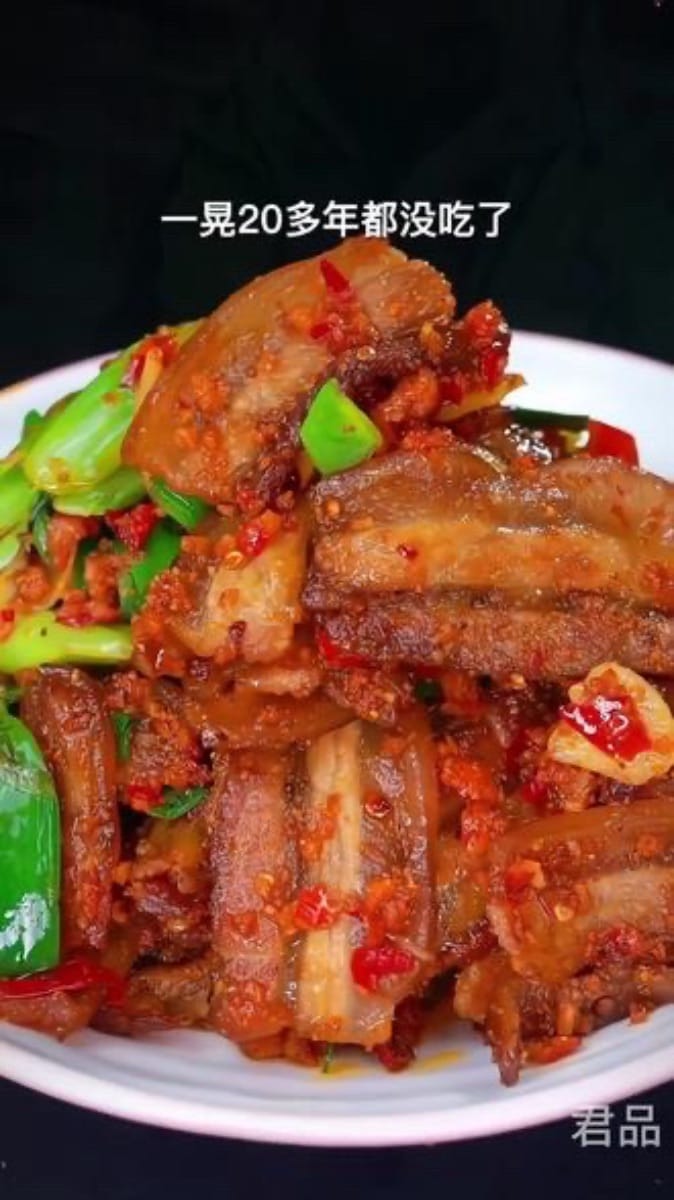
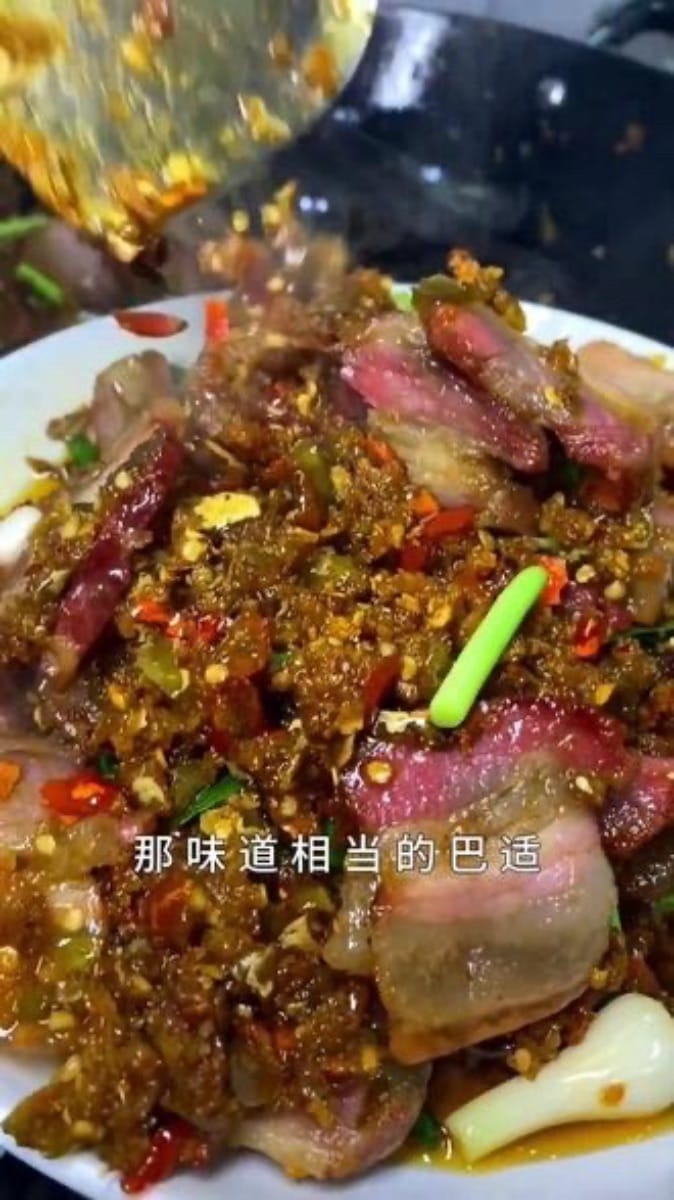
- Classic Ways to Eat Chili Peppers (Images from the Internet)
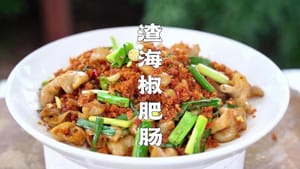
1. Stir-fried Pork Intestines with Chili Peppers: Clean the pork intestines, blanch them, and cut them into sections. Sauté ginger and garlic in hot oil until fragrant, then add the pork intestines and stir-fry until slightly golden. Add chili peppers and stir-fry until fragrant. Season with a little light soy sauce. It's spicy and delicious with rice.
2. Twice-cooked Pork with Chili Peppers: Boil pork belly until 80% cooked, slice it, and sauté until the fat is rendered. Add fermented bean paste and stir-fry until fragrant. Add chili peppers and garlic sprouts, stir-fry evenly, and it's savory, spicy, and incredibly flavorful.
3. Fried Rice with Chili Peppers: Break up leftover rice, fry eggs in hot oil until fragrant, add chili peppers and stir-fry, then add the rice back in and stir-fry until each grain is separate. Sprinkle with chopped green onions. Simple and delicious.
4. Fried Eggs with Chili Peppers: Beat eggs with salt and stir well. Fry in hot oil until semi-solid, then add chili peppers and stir-fry until the eggs are fully cooked. It's spicy, appetizing, and goes well with porridge or rice. 5. Stir-fried Chili Flakes: Stir-fry chili flakes directly in hot oil until fragrant, then sprinkle with chopped green onions. It has a crispy and fragrant taste and can be eaten as a side dish or with steamed buns.





Languages
Klebreis mit Chilipaste (Spezialität aus Südwestchina) - Deutsch (German) versionSticky Rice Chili Paste (Southwest China Specialty) - English version
Arroz glutinoso y pasta de chile (especialidad del suroeste de China) - Español (Spanish) version
Riz gluant et pâte de piment (spécialité du sud-ouest de la Chine) - Français (French) version
Nasi Ketan dengan Pasta Cabai (Spesialisasi Tiongkok Barat Daya) - Bahasa Indonesia (Indonesian) version
Riso glutinoso e pasta di peperoncino (specialità della Cina sud-occidentale) - Italiana (Italian) version
もち米と唐辛子ペースト(中国南西部の名物料理) - 日本語 (Japanese) version
찹쌀 고추장 (중국 남서부 특산 요리) - 한국인 (Korean) version
ข้าวเหนียวผัดพริก (อาหารขึ้นชื่อของภาคตะวันตกเฉียงใต้ของจีน) - แบบไทย (Thai) version
糯香渣辣椒(西南特色) - 香港繁體中文 (Traditional Chinese - Hong Kong) version