Budget-Friendly Cardamom Recipes – Save Money, Eat Well
Cooking with Cardamom doesn’t have to be expensive. Try these cheap, tasty, and filling recipes.
Recipes with Cardamom
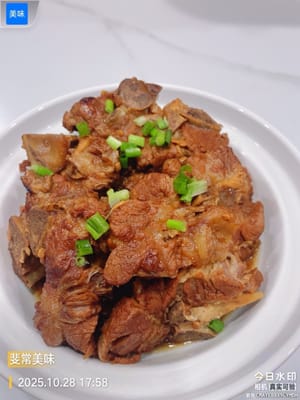
The moment these braised pork ribs are placed on the table, the aroma is absolutely divine, far surpassing those restaurants that claim to have "secret family recipes"! The bones are stewed until tender and flavorful, the meat practically falling off the bone. Each bite is a delightful experience, the savory sauce layering and unfolding in your mouth, leaving even the bits of flavor lingering between the bones. The glossy reddish-brown sauce is incredibly tempting, each piece coated in a rich, flavorful broth. One bite, and the aroma of meat mingles with the fragrance of spices—pure bliss! Eating a piece like this outside would easily break the bank, leaving you no room to indulge. But making it at home, for the same price, you can buy several pounds of bones, stew a full pot, and enjoy it to your heart's content. You can even use the leftover broth to stew noodles and cabbage—the value is unbeatable. This down-to-earth delicacy is universally praised; you'll crave it after just one bite, making even the restaurant's "secret recipes" pale in comparison!
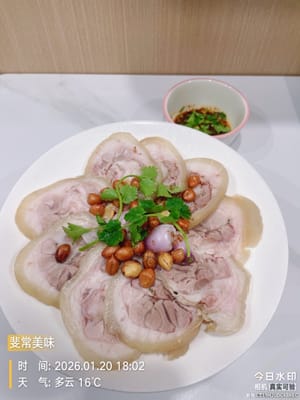
This boiled pork hock is absolutely delicious! The slices are tender and juicy, the lean meat isn't dry, and the fat isn't greasy. A subtle meaty aroma fills your mouth with every bite. Dipped in the signature sauce, whether it's the spiciness of the sand ginger or the spiciness of the wasabi, both enhance the meat's natural flavor. The thinly sliced pork is arranged in a flower shape on a plate, garnished with peanuts and cilantro—refreshing and beautiful. Whether served at a New Year's Eve dinner or as a small gathering with friends, this is a truly irresistible dish.
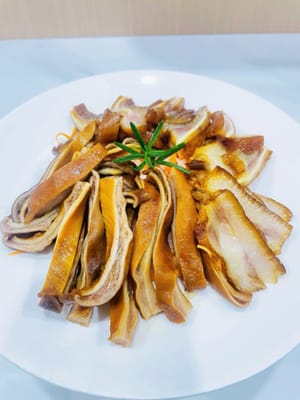
I really can't eat the braised dishes sold outside. I tried a Chaoshan bagged marinade that was popular on the Internet before, but the greasy smell was too strong when it was cooked, and I couldn't get used to it. It seems that you can't be lazy when making braised food. It's still more reliable to carefully prepare a pot of marinade yourself. After each braising, carefully filter out impurities, boil it, let it cool, and put it in the refrigerator for the next time. Why does the old braising become more fragrant as it is braised? First, the protein, amino acids, and fat of the ingredients will melt into the sauce during the braising process, and the flavor of the spices will be released repeatedly. Under the interaction, the taste becomes more and more intense and the layers are richer; second, the more times the braising is done, the spicy aroma of the spices in the marinade and the umami flavor of the ingredients will gradually balance and stabilize, and the braised food will naturally be more mellow. You should also pay attention to the storage of the old braising: filter and boil it for sterilization after each braising, seal it well and refrigerate or freeze it. It is recommended to use it within 1-2 weeks, and it is best to boil it again once a week for sterilization to prevent deterioration.
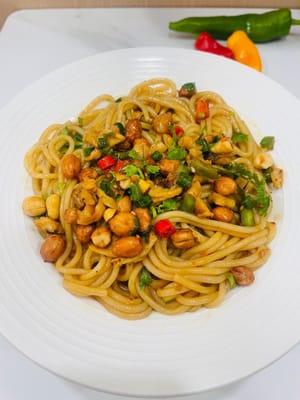
The moment this bowl of Nanchang mixed rice noodles is served, the aroma fills your nostrils. Each strand of rice noodle is coated in a glistening sauce, springy and chewy, with the rich flavor of the blended sesame oil and the spiciness of the chili oil. The crispness of the dried radish, the caramelized aroma of the peanuts, and the freshness of the cilantro unfold in layers in your mouth, becoming more fragrant with each chew. Its status as a national delicacy stems from the meticulous care put into this bowl of noodles: the blended oil is the essence of vegetables and spices simmered for 15 minutes; the blended soy sauce is a savory-sweet flavor achieved by simmering rock sugar and spices; and it's paired with readily available chili oil—every seasoning is carefully blended. This seemingly simple bowl of mixed noodles embodies an ultimate pursuit of the essence of everyday life; one bite and you'll understand why it's so popular across the country.